
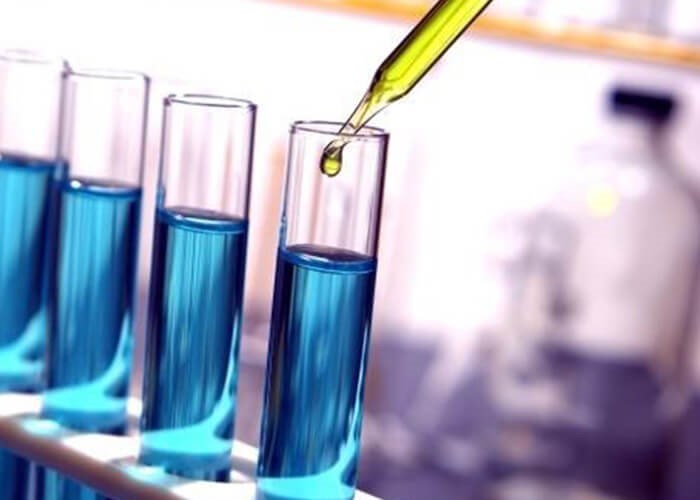
Calcium Hypochlorite for Laboratories: Chemicals Grade
Introduction
Calcium hypochlorite stands as one of the most critical oxidizing agents in modern laboratory operations, offering exceptional versatility across analytical chemistry, water quality testing, and research applications. As laboratories worldwide demand higher purity standards and consistent performance, understanding the technical specifications of laboratory-grade calcium hypochlorite becomes essential for procurement professionals and research directors.
This comprehensive technical guide examines the critical parameters, performance characteristics, and industry compliance standards that define premium laboratory-grade calcium hypochlorite. Whether your facility requires this compound for disinfection protocols, analytical reagent applications, or specialized research procedures, this article provides the technical foundation necessary for informed purchasing decisions.
Chemical Composition and Molecular Structure
Fundamental Properties
Calcium hypochlorite, with the chemical formula Ca(ClO)₂, represents a powerful inorganic oxidizing compound widely utilized in laboratory environments. The molecular structure consists of calcium cations bonded with two hypochlorite anions, creating a stable yet highly reactive compound under appropriate conditions.
Key Molecular Data:
- CAS Registry Number: 7778-54-3
- Molecular Formula: Ca(ClO)₂
- Molecular Weight: 142.98 g/mol
- EINECS Number: 231-908-7
- MDL Number: MFCD00010900
- PubChem Identifier: 24852684
Physical Characteristics
Laboratory-grade calcium hypochlorite exhibits distinct physical properties that differentiate it from industrial or commercial grades:
| Property | Specification |
|---|---|
| Appearance | White to off-white free-flowing powder |
| Odor | Characteristic chlorine odor |
| Relative Density | 2.35 g/cm³ at 25°C |
| Melting Point | 100°C (decomposes) |
| Water Solubility | 21 g/100 mL at 25°C |
| pH (1% solution) | 10.5 – 11.5 |
| Bulk Density | 0.65 – 0.75 g/cm³ |
Laboratory Grade Specifications and Purity Standards
Grade Classification
Laboratory-grade calcium hypochlorite must meet stringent purity requirements that exceed industrial specifications. The following grade classifications are recognized internationally:
ACS Reagent Grade:
- Minimum available chlorine: 70%
- Maximum moisture content: 3.5%
- Maximum calcium chloride: 2.0%
- Maximum calcium carbonate: 1.5%
- Heavy metals (as Pb): ≤ 0.003%
Analytical Reagent (AR) Grade:
- Minimum available chlorine: 65%
- Maximum moisture content: 5.0%
- Maximum insoluble matter: 0.5%
- Heavy metals (as Pb): ≤ 0.005%
Technical Laboratory Grade:
- Minimum available chlorine: 60-65%
- Maximum moisture content: 7.0%
- Suitable for general laboratory disinfection
Available Chlorine Content
The available chlorine content represents the most critical performance parameter for calcium hypochlorite. This measurement indicates the oxidizing capacity of the compound and directly correlates with its effectiveness in laboratory applications.
Testing Methodology: Available chlorine determination follows iodometric titration procedures as specified in ASTM E1229-21 and ISO 7393 standards. The analytical procedure involves:
- Sample dissolution in acidic potassium iodide solution
- Liberation of iodine proportional to available chlorine
- Titration with standardized sodium thiosulfate solution
- Calculation using stoichiometric relationships
Performance Thresholds:
- Premium laboratory grade: ≥ 70% available chlorine
- Standard laboratory grade: 65-70% available chlorine
- Minimum acceptable: 60% available chlorine
Industry Standards and Regulatory Compliance
International Standards Framework
Laboratory-grade calcium hypochlorite must comply with multiple international standards to ensure quality, safety, and performance consistency:
ASTM Standards:
- ASTM E1229-21: Standard Specification for Calcium Hypochlorite – Defines chemical composition requirements, testing methodologies, and acceptance criteria for granular and powdered forms
- ASTM D1193: Standard Specification for Reagent Water – Establishes water quality requirements for solution preparation
- ASTM E29: Standard Practice for Using Significant Digits in Test Data – Governs reporting precision for analytical results
ISO Standards:
- ISO 7393: Water quality – Determination of free chlorine and total chlorine
- ISO 17025: General requirements for the competence of testing and calibration laboratories
- ISO 9001: Quality management systems for manufacturing facilities
Regional Compliance:
- REACH (EU): Registration, Evaluation, Authorization and Restriction of Chemicals
- TSCA (USA): Toxic Substances Control Act compliance
- GHS: Globally Harmonized System for chemical labeling and safety data sheets
Quality Assurance Protocols
Premium suppliers implement comprehensive quality assurance programs including:
- Raw Material Verification: Certificate of Analysis for all incoming materials
- In-Process Testing: Real-time monitoring during manufacturing
- Final Product Validation: Complete specification testing before release
- Stability Studies: Accelerated aging tests to verify shelf-life claims
- Batch Traceability: Complete documentation from production to delivery
Performance Data and Application Metrics
Oxidation-Reduction Potential
Laboratory-grade calcium hypochlorite demonstrates superior oxidation-reduction characteristics compared to alternative chlorine sources:
| Parameter | Calcium Hypochlorite | Sodium Hypochlorite |
|---|---|---|
| Available Chlorine | 65-70% | 10-15% |
| pH Stability | 10.5-11.5 | 11.0-13.0 |
| Shelf Life (proper storage) | 24-36 months | 6-12 months |
| Temperature Stability | Excellent | Moderate |
| Transport Classification | Class 5.1 Oxidizer | Class 8 Corrosive |
Disinfection Efficacy
Research data demonstrates calcium hypochlorite’s effectiveness across various laboratory disinfection scenarios:
Microbial Reduction Performance:
- Bacterial spores: 99.99% reduction at 200 ppm, 10-minute contact
- Vegetative bacteria: 99.999% reduction at 100 ppm, 5-minute contact
- Viruses: 99.9% reduction at 150 ppm, 10-minute contact
- Fungi: 99.9% reduction at 200 ppm, 15-minute contact
Surface Compatibility: Laboratory-grade formulations minimize corrosion risk on common laboratory materials when used at recommended concentrations. Compatibility testing should be performed on sensitive equipment surfaces.
Stability Characteristics
Proper storage conditions significantly impact product stability and performance retention:
Degradation Factors:
- Moisture: Primary degradation catalyst; requires hermetic packaging
- Temperature: Storage above 30°C accelerates decomposition
- Light: UV exposure promotes chlorine loss
- Contamination: Organic materials trigger exothermic reactions
Recommended Storage Conditions:
- Temperature: 15-25°C optimal range
- Relative Humidity: Below 50%
- Packaging: Multi-layer moisture barrier containers
- Shelf Life: 24 months from manufacture date (unopened)
Safety Considerations and Handling Protocols
Hazard Classification
Calcium hypochlorite carries specific hazard classifications under GHS standards:
- Oxidizing Solid: Category 2 (H272)
- Acute Toxicity: Category 4 – Oral (H302)
- Skin Corrosion: Category 1B (H314)
- Serious Eye Damage: Category 1 (H318)
- Hazardous to Aquatic Environment: Category 1 (H400)
Personal Protective Equipment Requirements
Laboratory personnel must utilize appropriate PPE when handling calcium hypochlorite:
- Respiratory Protection: N95 or equivalent particulate respirator for powder handling
- Eye Protection: Chemical splash goggles with side shields
- Hand Protection: Nitrile or neoprene gloves (minimum 0.4mm thickness)
- Body Protection: Laboratory coat with chemical-resistant apron
- Foot Protection: Closed-toe shoes with chemical resistance
Emergency Response Procedures
Spill Management:
- Isolate area and restrict access
- Avoid dust generation during cleanup
- Use non-combustible absorbent materials
- Collect in compatible containers for disposal
- Never use organic absorbents
First Aid Measures:
- Inhalation: Move to fresh air; seek medical attention if breathing difficulty persists
- Skin Contact: Remove contaminated clothing; wash with soap and water for 15 minutes
- Eye Contact: Flush with water for minimum 15 minutes; seek immediate medical care
- Ingestion: Do not induce vomiting; rinse mouth; seek immediate medical attention
Packaging and Transportation Specifications
Standard Packaging Options
Laboratory-grade calcium hypochlorite is available in multiple packaging configurations:
| Package Type | Net Weight | Application |
|---|---|---|
| HDPE Drum | 25 kg / 50 kg | General laboratory use |
| Fiber Drum with Liner | 25 kg | Research facilities |
| Plastic Pail | 5 kg / 10 kg | Small laboratories |
| Bulk Container | 500 kg / 1000 kg | Large institutional users |
Transportation Requirements
Calcium hypochlorite falls under UN Class 5.1 (Oxidizing Substances) for transportation:
- UN Number: UN 1748 (Calcium hypochlorite mixture, dry)
- Proper Shipping Name: CALCIUM HYPOCHLORITE MIXTURE, DRY
- Hazard Class: 5.1
- Packing Group: II or III (depending on chlorine content)
- Special Provisions: Must be kept dry; incompatible with organic materials
Quality Testing and Certification
Certificate of Analysis Parameters
Every batch of laboratory-grade calcium hypochlorite should include comprehensive testing documentation:
Mandatory Test Parameters:
- Available chlorine content (iodometric method)
- Moisture content (loss on drying)
- Alkalinity (as CaO)
- Insoluble matter
- Heavy metals (Pb, As, Hg)
- Iron content
- Particle size distribution
Optional Characterization:
- Bulk density
- Flow rate
- Dissolution time
- Stability under accelerated conditions
Third-Party Verification
Reputable suppliers maintain certifications from recognized bodies:
- ISO 9001:2015 Quality Management
- ISO 14001:2015 Environmental Management
- OHSAS 18001 / ISO 45001 Occupational Health and Safety
- GMP (Good Manufacturing Practice) for pharmaceutical-grade materials
Frequently Asked Questions (FAQ)
Q1: What is the difference between laboratory grade and industrial grade calcium hypochlorite?
A: Laboratory grade calcium hypochlorite undergoes more stringent purification processes, resulting in higher purity levels (65-70% available chlorine vs. 50-65% for industrial), lower heavy metal content, and comprehensive documentation including Certificates of Analysis. Laboratory grade also features tighter specifications for moisture content and insoluble matter.
Q2: How should calcium hypochlorite be stored to maintain stability?
A: Store in original, tightly sealed containers in a cool, dry, well-ventilated area away from direct sunlight. Maintain temperature between 15-25°C and relative humidity below 50%. Keep away from organic materials, acids, and reducing agents. Properly stored product maintains specifications for 24 months from manufacture date.
Q3: What is the recommended concentration for laboratory surface disinfection?
A: For general laboratory surface disinfection, prepare a solution containing 500-1000 ppm available chlorine (approximately 0.7-1.4 g of 70% calcium hypochlorite per liter of water). Allow minimum 10-minute contact time. For spill decontamination, use 5000 ppm solutions.
Q4: Can calcium hypochlorite be used for water quality testing reagents?
A: Yes, laboratory-grade calcium hypochlorite is suitable for preparing chlorine standard solutions for water quality analysis. However, ACS reagent grade is recommended for analytical applications requiring highest accuracy. Solutions should be prepared fresh and standardized before use.
Q5: What incompatibilities must be considered when handling this chemical?
A: Calcium hypochlorite is incompatible with acids (releases chlorine gas), organic materials (fire/explosion risk), ammonia and ammonium compounds (forms explosive nitrogen trichloride), reducing agents, and finely divided metals. Never mix with other cleaning chemicals without compatibility verification.
Q6: How do I verify the quality of received calcium hypochlorite?
A: Request and review the Certificate of Analysis for each batch. Verify available chlorine content, moisture levels, and heavy metal specifications match your requirements. Consider independent third-party testing for critical applications. Inspect packaging integrity upon receipt.
Q7: What is the proper disposal method for calcium hypochlorite waste?
A: Small quantities can be neutralized with sodium thiosulfate solution before disposal. Larger quantities require coordination with licensed hazardous waste disposal contractors. Never dispose of calcium hypochlorite in regular trash or down drains without proper neutralization. Follow local environmental regulations.
Q8: Is calcium hypochlorite suitable for pharmaceutical laboratory applications?
A: Standard laboratory grade is suitable for general pharmaceutical laboratory disinfection. For direct pharmaceutical manufacturing applications, USP/NF grade or equivalent pharmaceutical-grade calcium hypochlorite with additional purity testing and documentation is required.
Conclusion
Selecting the appropriate grade of calcium hypochlorite for laboratory applications requires careful consideration of purity specifications, performance requirements, and regulatory compliance. Laboratory-grade calcium hypochlorite offers the reliability, consistency, and documentation necessary for professional research and analytical environments.
By understanding the technical parameters outlined in this guide, procurement professionals and laboratory managers can make informed decisions that ensure optimal performance while maintaining safety and compliance standards. Partner with suppliers who provide comprehensive technical support, complete documentation, and consistent quality across all batches.
For detailed product specifications, custom packaging options, or technical consultation regarding your specific laboratory requirements, professional chemical suppliers stand ready to assist with your calcium hypochlorite procurement needs.
Learn more about our laboratory chemical solutions and request a customized quote by visiting our contact page: https://envochemical.com/contact-us/
