
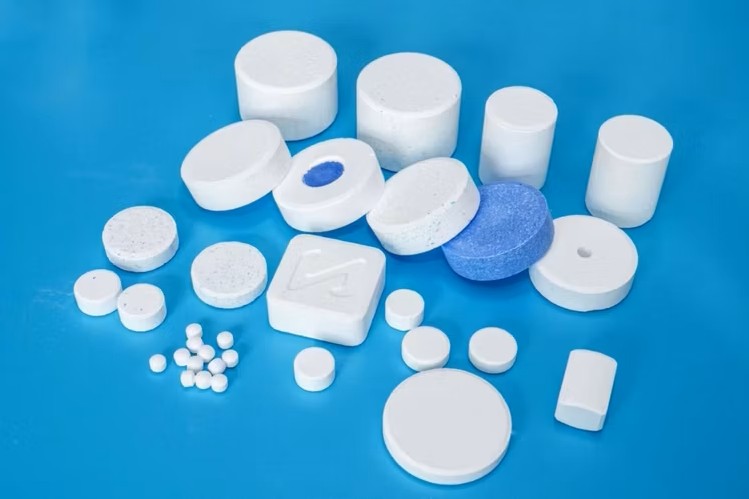
SDIC for Laboratories: Accurate Water
Introduction
In modern laboratory environments, maintaining water accuracy and purity is not optional—it’s essential. Whether you’re conducting pharmaceutical research, environmental testing, or quality control analysis, water quality directly impacts your results. Sodium Dichloroisocyanurate (SDIC) has emerged as a critical solution for laboratories seeking reliable water treatment and disinfection. This article explores how SDIC delivers accurate water conditions for B2B laboratory operations while addressing common pain points in water management.
Why Water Accuracy Matters in Laboratories
The Hidden Cost of Contaminated Water
Laboratory professionals understand that even microscopic contaminants can compromise experimental integrity. Bacterial growth, organic residues, and chemical impurities in water systems lead to:
- Inconsistent test results
- Equipment corrosion and reduced lifespan
- Regulatory compliance failures
- Increased operational costs from repeated testing
Industry Standards and Compliance
Laboratories must adhere to strict water quality standards including ASTM, ISO 3696, and CLSI guidelines. Failure to meet these specifications risks accreditation and client trust. SDIC provides a proven method to maintain water systems within required parameters.
SDIC: The Laboratory Water Treatment Solution
What Makes SDIC Different?
Sodium Dichloroisocyanurate is a stable, high-efficiency disinfectant with superior chlorine release properties. Unlike traditional chlorine treatments, SDIC offers:
- Controlled Release: Gradual chlorine dispersion ensures consistent disinfection without overdosing
- High Solubility: Dissolves completely in water, leaving minimal residue
- Broad-Spectrum Efficacy: Eliminates bacteria, viruses, fungi, and algae
- Stability: Maintains potency during storage and application
Key Applications in Laboratory Settings
Water Storage Tank Treatment
SDIC prevents biofilm formation in laboratory water storage systems, ensuring purified water remains contamination-free throughout distribution.
Equipment Sterilization
Laboratory instruments requiring water contact benefit from SDIC-treated water, reducing cross-contamination risks between experiments.
Cooling System Maintenance
Analytical equipment cooling systems require treated water to prevent microbial growth that could affect temperature stability and measurement accuracy.
Addressing Common Laboratory Water Challenges
Pain Point 1: Inconsistent Disinfection Results
Traditional disinfectants often provide unpredictable chlorine levels. SDIC’s stable chemical structure ensures reproducible results batch after batch, critical for quality-controlled laboratory environments.
Pain Point 2: Complex Dosing Requirements
Many water treatment solutions require complex calculation and monitoring. SDIC simplifies this process with standardized concentration guidelines, reducing operator error and training time.
Pain Point 3: Storage and Stability Issues
Laboratory procurement teams struggle with chemicals that degrade during storage. SDIC maintains 99% active chlorine content when stored properly, minimizing waste and replacement costs.
Pain Point 4: Safety Concerns
Laboratory safety officers prioritize handler protection. SDIC’s solid form reduces exposure risks compared to liquid chlorine alternatives, while still delivering powerful disinfection capabilities.
Choosing the Right SDIC Supplier for Your Laboratory
Quality Certification Matters
When selecting an SDIC supplier, verify:
- ISO 9001 quality management certification
- Batch-specific Certificate of Analysis (CoA)
- Compliance with REACH and EPA regulations
- Consistent purity levels (minimum 98% active content)
Technical Support Availability
Reliable suppliers provide ongoing technical assistance for dosing calculations, safety protocols, and troubleshooting. This support proves invaluable during audits or unexpected water quality issues.
Supply Chain Reliability
Laboratory operations cannot tolerate supply interruptions. Established manufacturers maintain inventory buffers and multiple distribution channels to ensure continuous availability.
Implementation Best Practices
Step 1: Water System Assessment
Conduct comprehensive water quality testing before implementing SDIC treatment. Document baseline microbial counts, chlorine levels, and pH measurements.
Step 2: Customized Dosing Protocol
Work with your supplier to develop concentration guidelines specific to your laboratory’s water volume, usage patterns, and quality requirements.
Step 3: Monitoring and Documentation
Establish regular testing schedules and maintain detailed records. This documentation supports regulatory compliance and helps optimize treatment efficiency over time.
Step 4: Staff Training
Ensure all personnel handling SDIC understand proper storage, dosing, and safety procedures. Well-trained staff minimize risks and maximize treatment effectiveness.
Conclusion
SDIC represents a strategic investment for laboratories committed to water accuracy and operational excellence. By addressing common pain points around consistency, safety, and compliance, SDIC enables B2B laboratory clients to focus on their core research objectives without water quality concerns. Partnering with a qualified SDIC supplier transforms water treatment from a operational challenge into a competitive advantage.
Ready to optimize your laboratory water treatment system? Contact our team today for customized SDIC solutions and competitive bulk pricing tailored to your facility’s requirements.
Frequently Asked Questions (FAQ)
Q1: What concentration of SDIC is recommended for laboratory water treatment?
A: Typical concentrations range from 1-5 ppm depending on water volume and contamination risk. Consult with your supplier for specific recommendations based on your laboratory’s requirements.
Q2: How long does SDIC remain effective in treated water?
A: SDIC provides residual disinfection for 24-72 hours depending on water temperature, pH, and organic load. Regular monitoring ensures optimal protection.
Q3: Is SDIC compatible with all laboratory water purification systems?
A: SDIC works with most systems but may require adjustment for reverse osmosis or deionization units. Technical consultation is recommended before implementation.
Q4: What safety precautions should laboratory staff follow when handling SDIC?
A: Use appropriate PPE including gloves and eye protection. Store in cool, dry areas away from incompatible materials. Follow MSDS guidelines for specific safety protocols.
Q5: Can SDIC be used for both drinking water and process water in laboratories?
A: Yes, when used at approved concentrations, SDIC meets drinking water standards. However, verify local regulations and obtain necessary certifications for your specific application.
Q6: How do I request a quote for laboratory-grade SDIC?
A: Visit our contact page to submit your requirements including volume, purity specifications, and delivery timeline. Our team responds within 24 hours with customized pricing.
Author: Dr. Marcus Chen
