
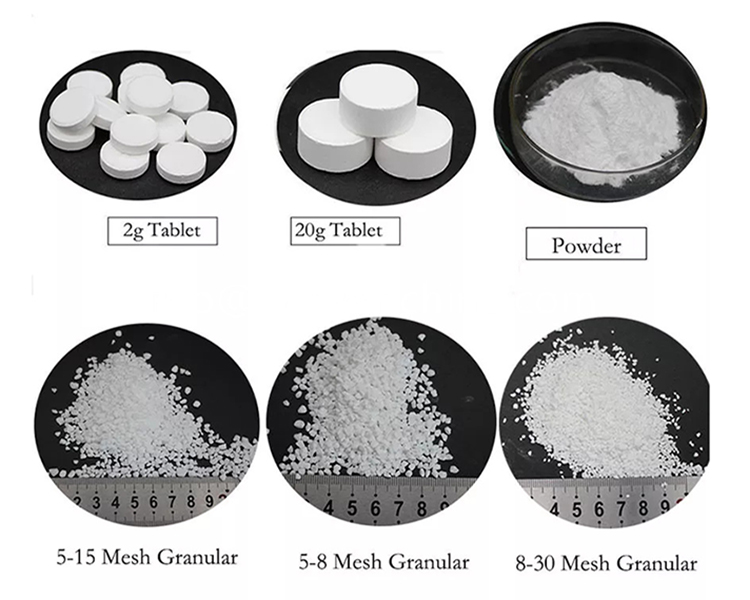
SDIC Manufacturers for Distributors: Packaging Options
Introduction
In the rapidly evolving water treatment and disinfection industry, Sodium Dichloroisocyanurate (SDIC) has emerged as a cornerstone product for distributors seeking reliable, high-performance chemical solutions. As a leading chlorinated isocyanurate compound with effective chlorine content ranging from 56% to 60%, SDIC delivers exceptional杀菌 efficiency across swimming pools, industrial water systems, and public sanitation applications. For distributors partnering with SDIC manufacturers, understanding available packaging options becomes critical to optimizing supply chain efficiency, minimizing logistics costs, and meeting diverse customer requirements. This comprehensive guide explores the strategic packaging solutions that forward-thinking SDIC manufacturers offer to their distribution partners in 2026.
Understanding SDIC Product Specifications
Chemical Properties and Quality Standards
Sodium Dichloroisocyanurate, commonly known by its CAS number 2893-78-9, presents as white crystalline powder or granular material with distinctive oxidative properties. Premium-grade SDIC maintains purity levels exceeding 99% HPLC standards, ensuring consistent performance across applications. The compound’s molecular formula C₃Cl₂N₃NaO₃ delivers stable chlorine release, making it superior to traditional chlorine alternatives for long-term disinfection needs.
Quality-conscious distributors prioritize manufacturers who maintain ISO certifications and adhere to international chemical safety regulations. Leading SDIC producers implement rigorous quality control protocols throughout production, from raw material sourcing through final packaging operations.
Market Applications Driving Demand
The global SDIC market continues expanding across multiple sectors. Swimming pool maintenance represents the largest application segment, followed by industrial water treatment, agricultural disinfection, and healthcare facility sanitation. Distributors serving these diverse markets require flexible packaging solutions that accommodate varying order volumes and end-user preferences.
Comprehensive Packaging Options for Distributors
Standard Bulk Packaging Solutions
25kg Plastic Drums
The industry-standard 25kg plastic drum remains the most popular packaging choice for medium-volume distributors. This format balances handling convenience with economic shipping efficiency. High-density polyethylene (HDPE) containers provide excellent moisture resistance and chemical compatibility, preserving product integrity during extended storage periods.
40kg and 50kg Industrial Drums
For distributors serving large commercial clients, 40kg and 50kg drum options reduce per-unit packaging costs while maximizing container load efficiency. These larger formats suit warehouse distribution models where end customers possess adequate handling equipment and storage capacity.
1000kg Ton Bags (FIBC)
Flexible Intermediate Bulk Containers (FIBC), commonly known as ton bags, represent the most cost-effective solution for high-volume distributors. One-ton packaging dramatically reduces handling time, minimizes packaging waste, and optimizes shipping container utilization. This format particularly benefits distributors supplying industrial water treatment facilities and municipal swimming pool complexes.
Specialized Small-Volume Packaging
1kg to 20kg Retail-Ready Packages
Progressive SDIC manufacturers recognize that distributors serve diverse customer segments requiring smaller quantities. Packaging options including 1kg, 2kg, 5kg, 10kg, and 20kg containers enable distributors to penetrate retail markets, serve residential pool owners, and accommodate trial orders from new commercial clients.
Custom Labeling and Branding Opportunities
Forward-thinking manufacturers offer private labeling services, allowing distributors to build brand recognition while leveraging established production capabilities. Custom labeling programs typically require minimum order quantities but provide significant competitive advantages in crowded marketplace environments.
Strategic Considerations for Packaging Selection
Logistics and Transportation Efficiency
Packaging decisions directly impact shipping costs and delivery timelines. Distributors must evaluate freight rates across different packaging formats, considering both domestic distribution and international export requirements. Larger packaging formats generally achieve better freight economics but require corresponding investment in handling infrastructure.
Storage and Warehouse Management
Different packaging options demand varying warehouse configurations. Drum storage requires pallet racking systems, while ton bags need dedicated floor space with appropriate loading equipment. Distributors should assess existing warehouse capabilities before committing to specific packaging strategies.
Regulatory Compliance and Safety Documentation
All SDIC packaging must comply with international hazardous materials transportation regulations. Reputable manufacturers provide complete safety data sheets (SDS), proper hazard labeling, and transportation documentation aligned with UN classification requirements. Distributors should verify manufacturer compliance capabilities during supplier evaluation processes.
Partnering with the Right SDIC Manufacturer
Evaluating Manufacturing Capabilities
When selecting SDIC manufacturing partners, distributors should assess production capacity, quality assurance systems, and packaging flexibility. Leading manufacturers maintain multiple production lines capable of switching between packaging formats without compromising delivery schedules.
Supply Chain Reliability and Lead Times
Consistent supply availability represents a critical success factor for distributors. Evaluate manufacturer inventory management practices, raw material sourcing stability, and historical on-time delivery performance. Manufacturers with diversified supply chains demonstrate greater resilience against market disruptions.
Technical Support and Customer Service
Exceptional manufacturers provide comprehensive technical support, helping distributors address customer questions about product applications, safety protocols, and troubleshooting common usage challenges. This value-added service strengthens distributor-customer relationships and reduces support burden on distribution teams.
Future Trends in SDIC Packaging
Sustainability Initiatives
Environmental considerations increasingly influence packaging decisions. Innovative manufacturers are developing recyclable packaging materials, reducing plastic consumption, and implementing returnable container programs. Distributors prioritizing sustainability can leverage these initiatives as competitive differentiators.
Smart Packaging Technologies
Emerging smart packaging solutions incorporate tracking capabilities, moisture indicators, and tamper-evident features. These technologies enhance product security, enable better inventory management, and provide end customers with confidence in product authenticity.
Conclusion
Selecting optimal packaging options represents a strategic decision that impacts distributor profitability, customer satisfaction, and competitive positioning. By partnering with experienced SDIC manufacturers offering comprehensive packaging portfolios, distributors can efficiently serve diverse market segments while maintaining operational flexibility. The key lies in understanding customer requirements, evaluating total cost implications, and building strong manufacturer relationships founded on quality, reliability, and mutual growth objectives.
Frequently Asked Questions (FAQ)
Q1: What is the typical shelf life of packaged SDIC products?
A: Properly packaged SDIC maintains effectiveness for 24-36 months when stored in cool, dry conditions away from direct sunlight. HDPE drums and moisture-barrier ton bags provide optimal protection for extended storage periods.
Q2: Can manufacturers accommodate custom packaging requirements?
A: Yes, established SDIC manufacturers typically offer custom packaging solutions including specific drum colors, labeling requirements, and pallet configurations. Minimum order quantities apply, usually starting at 5-10 metric tons for custom requests.
Q3: What certifications should distributors verify when selecting SDIC manufacturers?
A: Priority certifications include ISO 9001 (Quality Management), ISO 14001 (Environmental Management), and REACH compliance for European markets. Additional certifications like SGS testing reports provide independent quality verification.
Q4: How do packaging choices affect international shipping costs?
A: Larger packaging formats like ton bags achieve better container utilization, reducing per-unit freight costs by 15-25% compared to drum packaging. However, destination country regulations may restrict certain packaging types for hazardous materials.
Q5: What safety documentation accompanies SDIC shipments?
A: Complete shipments include Safety Data Sheets (SDS), Certificate of Analysis (COA), proper hazard labeling per GHS standards, and transportation documentation meeting UN hazardous goods requirements.
Ready to explore comprehensive SDIC packaging solutions for your distribution business? Visit our contact page to connect with our specialist team: https://envochemical.com/contact-us/
