
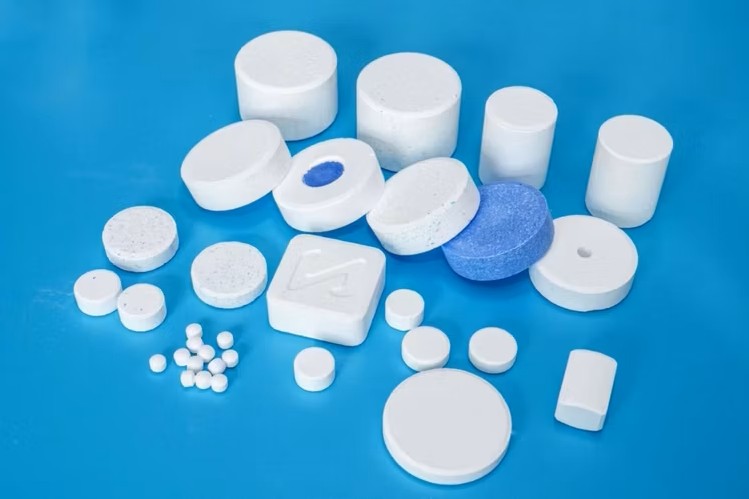
Wholesale TCCA for Importers: Global Sourcing
Introduction
In today’s competitive chemical distribution landscape, securing reliable wholesale TCCA (Trichloroisocyanuric Acid) supplies has become a critical priority for importers worldwide. As global demand for water treatment solutions and disinfectants continues to surge, businesses seeking cost-effective sourcing strategies must navigate an increasingly complex international supply chain. This comprehensive guide explores everything importers need to know about wholesale TCCA procurement, from market dynamics to quality assurance protocols.
The global TCCA market has experienced remarkable growth, with 2025 valuations reaching approximately $1.23 billion USD. Industry analysts project sustained expansion through 2032, driven by rising sanitation standards, expanding swimming pool installations, and heightened awareness of waterborne disease prevention. For importers positioned strategically in this market, the opportunities are substantial—but so are the challenges of identifying trustworthy suppliers and ensuring consistent product quality.
Understanding TCCA: Product Fundamentals for Importers
Chemical Properties and Applications
Trichloroisocyanuric Acid, commonly abbreviated as TCCA, is a powerful oxidizing agent with the chemical formula C₃Cl₃N₃O₃ and CAS number 87-90-1. This white crystalline powder or granular substance contains approximately 90% available chlorine, making it one of the most efficient chlorine-based disinfectants available commercially.
The compound’s slow-release chlorine mechanism provides extended sanitization periods, which explains its widespread adoption across multiple industries. Primary applications include:
- Swimming Pool Maintenance: TCCA tablets and granules provide sustained chlorine levels for residential and commercial pools
- Drinking Water Treatment: Municipal facilities utilize TCCA for safe, effective water purification
- Industrial Sanitization: Food processing plants, hospitals, and pharmaceutical facilities rely on TCCA for disinfection protocols
- Agricultural Applications: Livestock facilities and crop protection programs incorporate TCCA into hygiene management systems
- Textile Processing: The compound serves as an effective bleaching agent for cotton and synthetic fabrics
Grade Specifications and Quality Standards
Importers must understand the various TCCA grades available in the wholesale market. Premium-grade TCCA typically features 90% minimum available chlorine content, with moisture levels not exceeding 0.5%. Industrial-grade variants may offer slightly lower chlorine concentrations but remain suitable for specific applications.
Reputable manufacturers adhere to international standards including HG/T 3779-2005 and equivalent specifications recognized by regulatory bodies in destination markets. Certificate of Analysis (COA) documentation should accompany every shipment, verifying purity levels, heavy metal content, and physical characteristics.
Global Sourcing Strategies for TCCA Importers
Identifying Reliable Manufacturing Regions
China has emerged as the dominant global supplier of wholesale TCCA, accounting for approximately 70% of worldwide production capacity alongside North American manufacturers. Major production hubs include Shandong, Hebei, and Jiangsu provinces, where established chemical infrastructure supports large-scale manufacturing operations.
Leading producers such as Occidental Chemical, Hengshui Chemical, and Zhucheng Taisheng Chemical have developed sophisticated production capabilities that meet international quality expectations. When evaluating potential suppliers, importers should consider:
- Manufacturing capacity and consistency
- Export experience and documentation capabilities
- Quality control systems and third-party certifications
- Production technology (wet process versus dry process methods)
- Environmental compliance and sustainability practices
Navigating International Trade Requirements
Successful TCCA importing requires thorough understanding of regulatory frameworks in both exporting and importing countries. The compound is classified as a hazardous material under international shipping regulations, necessitating proper packaging, labeling, and documentation.
Key considerations include:
- UN Classification: TCCA typically ships under UN 2468 or UN 3087 depending on formulation
- Safety Data Sheets: Comprehensive SDS documentation must accompany all shipments
- Customs Documentation: Commercial invoices, packing lists, and certificates of origin facilitate smooth customs clearance
- Import Licenses: Certain jurisdictions require specific permits for chlorine-based chemical imports
- Storage Regulations: Destination facilities must meet hazardous material storage requirements
Cost Optimization and Supply Chain Efficiency
Wholesale Pricing Dynamics
TCCA wholesale pricing fluctuates based on raw material costs, production capacity utilization, seasonal demand patterns, and freight rates. Current market analysis indicates price ranges between $800-$1,500 USD per metric ton for bulk quantities, though specific quotations depend on order volume, delivery terms, and product specifications.
Importers can optimize procurement costs through:
- Volume Commitments: Larger orders typically secure more favorable per-unit pricing
- Long-term Contracts: Multi-year agreements provide price stability and supply security
- Seasonal Planning: Ordering during off-peak periods may yield cost advantages
- Port Selection: Strategic choice of discharge ports reduces inland transportation expenses
- Consolidation Opportunities: Combining TCCA with compatible chemical shipments lowers freight costs
Quality Assurance Protocols
Maintaining consistent product quality represents a fundamental concern for importers building long-term customer relationships. Establishing comprehensive quality assurance protocols protects your business reputation and minimizes liability exposure.
Recommended practices include:
- Pre-shipment inspection by independent third-party agencies
- Regular laboratory testing of incoming shipments
- Supplier audit programs assessing manufacturing facilities
- Clear specifications documented in purchase agreements
- Retained sample programs for traceability purposes
Building Sustainable Supplier Relationships
Communication and Partnership Development
Successful wholesale TCCA sourcing extends beyond transactional relationships. Importers who invest in genuine partnerships with manufacturers gain advantages including priority allocation during supply constraints, early notification of price changes, and collaborative problem-solving when challenges arise.
Effective communication strategies encompass:
- Regular video conferences and facility visits when possible
- Clear specification documentation in multiple languages
- Established escalation procedures for quality or delivery issues
- Mutual understanding of market dynamics and competitive pressures
- Shared commitment to continuous improvement initiatives
Risk Mitigation Approaches
Diversification remains the cornerstone of effective supply chain risk management. Relying exclusively on single suppliers or geographic regions exposes importers to unnecessary vulnerability. Prudent sourcing strategies incorporate multiple qualified suppliers across different regions, maintaining backup options should primary sources encounter disruptions.
Additional risk mitigation measures include:
- Maintaining appropriate inventory buffers based on lead times
- Securing cargo insurance covering full replacement value
- Monitoring geopolitical developments affecting trade flows
- Establishing alternative logistics routes and transportation modes
- Regular review and update of supplier qualification criteria
FAQ: Wholesale TCCA Sourcing Questions Answered
Q1: What is the typical lead time for wholesale TCCA orders?
A: Standard lead times range from 15-30 days depending on order quantity, product specifications, and manufacturer production schedules. Rush orders may be accommodated with premium pricing arrangements.
Q2: What packaging options are available for TCCA imports?
A: Common packaging includes 25kg bags, 50kg drums, and 1000kg bulk bags. Custom packaging solutions can be arranged based on specific requirements and destination market regulations.
Q3: How should TCCA be stored upon arrival?
A: TCCA requires cool, dry, well-ventilated storage away from incompatible materials including ammonia, acids, and organic compounds. Temperature should remain below 50°C with relative humidity under 70%.
Q4: What certifications should I request from TCCA suppliers?
A: Request ISO 9001 quality management certification, REACH compliance documentation (for European markets), and product-specific test reports from accredited laboratories.
Q5: Can TCCA be shipped alongside other chemicals?
A: Compatibility must be verified case-by-case. TCCA cannot ship with reducing agents, ammonia compounds, or flammable materials. Consult dangerous goods regulations before consolidation.
Q6: What payment terms are typical for wholesale TCCA transactions?
A: Common terms include 30% deposit with 70% before shipment, or irrevocable letter of credit for larger orders. Established relationships may qualify for open account terms.
Ready to explore wholesale TCCA sourcing opportunities? Connect with experienced chemical suppliers who understand importer requirements and can deliver consistent quality with reliable service.
