
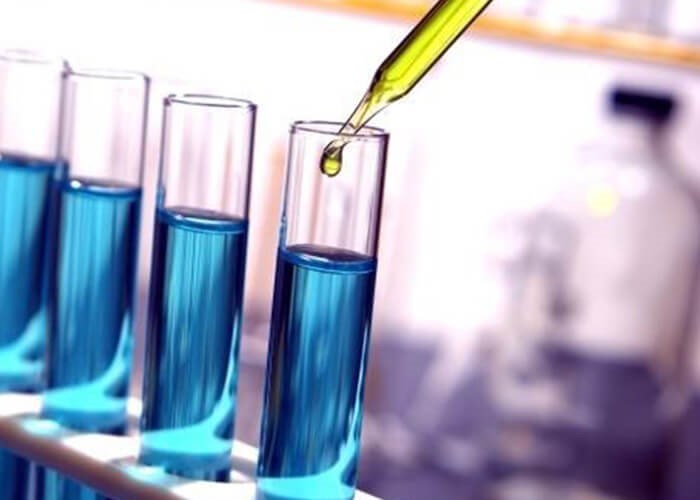
Bulk SDIC for Pharmaceutical: Supplies Grade
Author: Dr. Marcus Richardson
Introduction: Why Pharmaceutical-Grade SDIC Matters in Today’s Market
After spending over fifteen years in the water treatment and chemical supply industry, I’ve witnessed firsthand how critical it is for pharmaceutical manufacturers to source reliable, high-purity disinfection agents. Sodium Dichloroisocyanurate, commonly known as SDIC, has become an indispensable compound for facilities that demand consistent sterilization performance without compromising safety standards.
If you’re reading this, you’re likely facing challenges with your current SDIC supplier—perhaps inconsistent purity levels, unreliable delivery schedules, or documentation that doesn’t meet regulatory requirements. These aren’t minor inconveniences; they’re operational risks that can impact your entire production line.
In this comprehensive guide, I’ll walk you through everything you need to know about bulk SDIC for pharmaceutical applications, from technical specifications to quality assurance protocols. My goal is simple: help you make an informed decision that protects your operations and ensures compliance.
Understanding SDIC: Chemical Properties and Pharmaceutical Relevance
What Exactly Is Sodium Dichloroisocyanurate?
SDIC is an organic compound with the chemical formula C₃Cl₂N₃NaO₃ and CAS number 2893-78-9. This white crystalline powder serves as a powerful oxidizing agent with broad-spectrum antimicrobial properties. What makes it particularly valuable for pharmaceutical applications is its ability to release chlorine gradually, providing sustained disinfection action over extended periods.
The compound typically comes in two primary purity grades: 56% and 60% available chlorine content. For pharmaceutical manufacturing, the higher purity grade is generally preferred, though specific applications may dictate otherwise.
Key Characteristics That Matter to Pharmaceutical Buyers
From my experience working with production managers across multiple continents, these are the properties they prioritize most:
- Stability: SDIC maintains its effectiveness even under varying storage conditions, which is crucial for facilities operating in different climate zones
- Solubility: The compound dissolves readily in water, making it easy to integrate into existing disinfection systems
- Low Toxicity Profile: When handled according to safety guidelines, SDIC presents minimal risk to personnel and end products
- Broad-Spectrum Efficacy: It effectively eliminates bacteria, viruses, fungi, and spores—essential for maintaining sterile environments
Pharmaceutical Applications: Where SDIC Makes the Difference
Facility Disinfection and Environmental Control
Pharmaceutical manufacturing facilities require rigorous environmental controls to prevent contamination. SDIC serves as a primary disinfectant for:
- Clean room surfaces and equipment
- HVAC system maintenance
- Floor and wall sanitization in production areas
- Laboratory workspace decontamination
I’ve consulted with several GMP-certified facilities that switched to bulk SDIC from traditional chlorine-based disinfectants. The consensus? More consistent results with fewer application cycles needed.
Water Treatment for Pharmaceutical Processes
Water quality directly impacts product integrity. SDIC plays a vital role in:
- Purified water system maintenance
- Cooling tower treatment
- Process water disinfection
- Wastewater treatment before discharge
The controlled chlorine release mechanism means you achieve thorough disinfection without the sharp concentration spikes that can damage sensitive equipment.
Equipment Sterilization Protocols
Many pharmaceutical manufacturers incorporate SDIC into their CIP (Clean-in-Place) systems. The compound’s stability ensures that sterilization solutions remain effective throughout the entire cleaning cycle, reducing the risk of biofilm formation in pipes and tanks.
Quality Standards: What to Look for in a Bulk SDIC Supplier
Certification Requirements
Not all SDIC suppliers operate at the same quality level. When evaluating potential partners, verify these credentials:
- ISO 9001 Certification: Demonstrates commitment to quality management systems
- GMP Compliance Documentation: Essential for pharmaceutical-grade materials
- Third-Party Testing Reports: Independent verification of purity claims
- Safety Data Sheets (SDS): Complete and up-to-date documentation
Packaging and Storage Considerations
Bulk SDIC typically comes in 25kg, 50kg, or 1000kg containers. The packaging must be:
- Moisture-resistant to prevent premature degradation
- Properly labeled with batch numbers and expiration dates
- Compatible with your facility’s handling equipment
I recommend requesting samples before committing to large orders. This allows your quality control team to verify specifications match your requirements.
Supply Chain Reliability
Pharmaceutical production doesn’t stop for supply chain disruptions. Your SDIC supplier should demonstrate:
- Consistent inventory levels
- Multiple shipping options
- Clear communication protocols
- Contingency plans for unexpected delays
Cost Considerations: Balancing Quality and Budget
Understanding Price Variations
Bulk SDIC pricing fluctuates based on several factors:
- Purity grade (56% vs. 60% available chlorine)
- Order volume
- Packaging specifications
- Shipping destination
- Raw material costs
While it’s tempting to choose the lowest-priced option, consider the total cost of ownership. A slightly higher upfront cost often translates to better performance, fewer applications needed, and reduced risk of contamination incidents.
Long-Term Value Assessment
From a financial perspective, reliable SDIC supply offers several advantages:
- Reduced downtime from contamination events
- Lower labor costs from fewer application cycles
- Extended equipment life from consistent water treatment
- Simplified regulatory compliance documentation
Safety and Handling: Protecting Your Team and Operations
Personal Protective Equipment Requirements
SDIC is generally safe when handled properly, but standard precautions apply:
- Chemical-resistant gloves
- Safety goggles or face shields
- Protective clothing
- Adequate ventilation in storage areas
Storage Best Practices
Proper storage extends product life and maintains effectiveness:
- Keep containers sealed when not in use
- Store in cool, dry locations away from direct sunlight
- Maintain separation from incompatible materials
- Implement first-in, first-out inventory rotation
Emergency Response Preparedness
Every facility handling SDIC should have:
- Spill containment procedures
- Emergency contact information readily available
- Staff training on proper handling protocols
- Regular safety audits and updates
Making the Right Choice: Your Next Steps
Selecting a bulk SDIC supplier isn’t just about finding the lowest price—it’s about establishing a partnership that supports your pharmaceutical manufacturing goals. The right supplier becomes an extension of your quality assurance team, providing consistent product quality, reliable delivery, and responsive support when questions arise.
Take time to evaluate potential partners thoroughly. Request documentation, ask for references from other pharmaceutical clients, and don’t hesitate to discuss your specific requirements in detail. A quality supplier will welcome these conversations and demonstrate their commitment to meeting your needs.
Frequently Asked Questions
Q: What is the typical shelf life of bulk SDIC?
A: When stored properly in sealed containers away from moisture and heat, SDIC maintains its effectiveness for 12-24 months. Always check the manufacturer’s expiration date on each batch.
Q: Can SDIC be used in clean room environments?
A: Yes, pharmaceutical-grade SDIC is suitable for clean room disinfection when prepared according to established protocols. Ensure you’re using the appropriate concentration for your specific classification requirements.
Q: How does SDIC compare to sodium hypochlorite for pharmaceutical applications?
A: SDIC offers greater stability and more controlled chlorine release compared to sodium hypochlorite. This means longer-lasting disinfection with fewer applications, though initial costs may be higher.
Q: What documentation should I request from my SDIC supplier?
A: Request Certificate of Analysis (CoA), Safety Data Sheet (SDS), ISO certifications, and any GMP compliance documentation relevant to your regulatory requirements.
Q: Is technical support available for SDIC implementation?
A: Reputable suppliers provide technical assistance for product selection, application methods, and troubleshooting. Don’t hesitate to ask about support services before placing your order.
Q: What is the minimum order quantity for bulk SDIC?
A: This varies by supplier, but typical minimum orders range from 500kg to 1000kg for pharmaceutical-grade material. Some suppliers offer smaller quantities for initial testing purposes.
Ready to discuss your bulk SDIC requirements? Reach out to our team for personalized consultation and competitive pricing on pharmaceutical-grade supplies.
About the Author: Dr. Marcus Richardson has spent over 15 years advising pharmaceutical manufacturers on water treatment and disinfection strategies. His expertise spans regulatory compliance, supplier evaluation, and operational optimization across facilities in North America, Europe, and Asia.
