
Import TCCA for Fountains: Essentials Maintenance
Introduction
Maintaining pristine water quality in commercial fountains is a critical challenge that facility managers and business owners face daily. Whether you operate a decorative water feature in a shopping mall, a municipal fountain in a public square, or an architectural water display at a corporate headquarters, water sanitation directly impacts visitor experience, operational costs, and regulatory compliance. Trichloroisocyanuric Acid (TCCA) has emerged as the industry-preferred solution for fountain water treatment, offering superior disinfection capabilities with extended-lasting protection. This comprehensive guide explores why importing high-quality TCCA is essential for effective fountain maintenance and how it can transform your water management strategy.
Understanding TCCA: The Science Behind Effective Water Disinfection
What Makes TCCA Superior for Fountain Applications
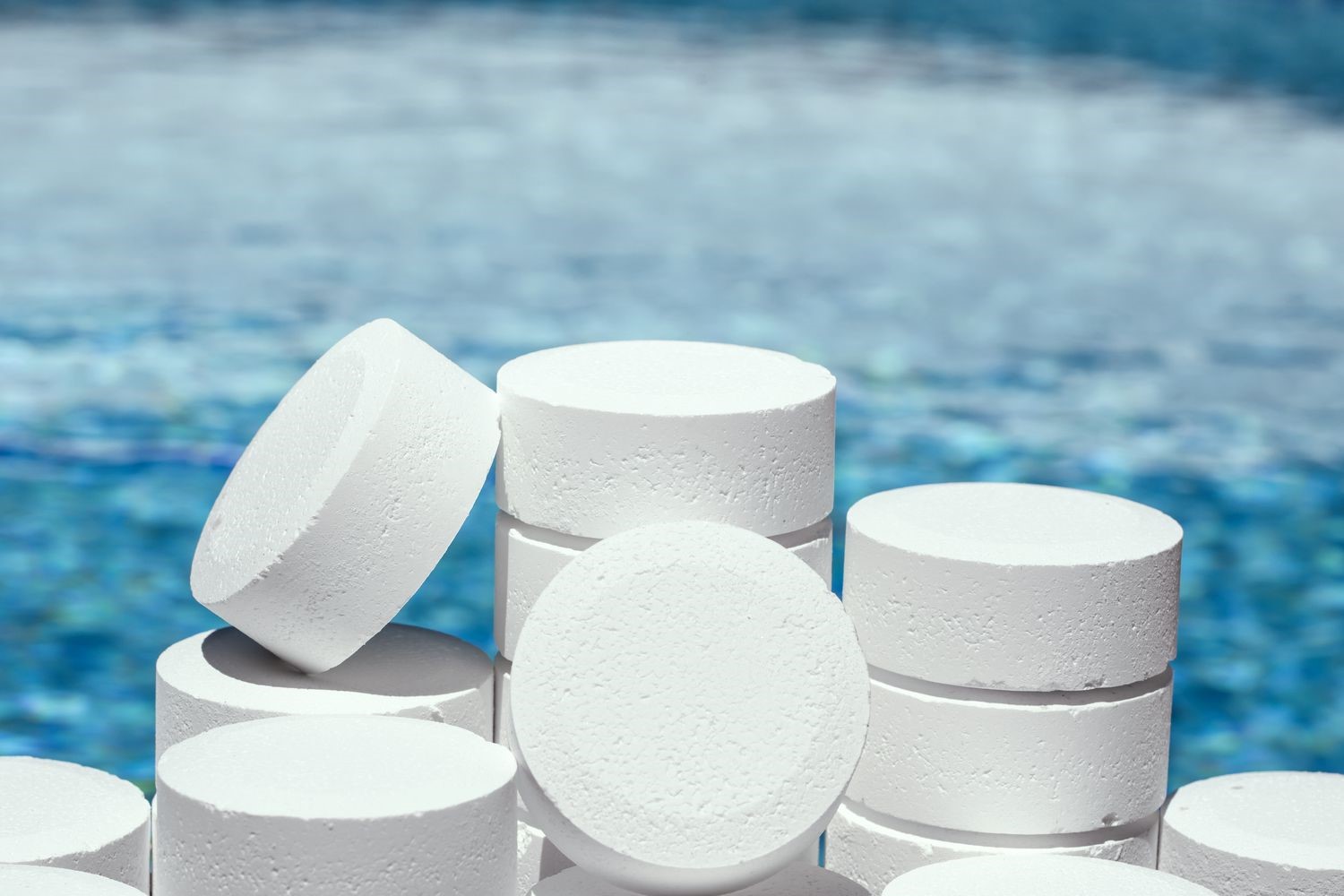
Trichloroisocyanuric Acid represents the gold standard in chlorine-based disinfectants for commercial water features. With an available chlorine content reaching approximately 90%, TCCA delivers powerful antimicrobial action while maintaining remarkable stability during storage and transportation. Unlike traditional liquid chlorine solutions, TCCA tablets or granules dissolve gradually, providing sustained release of active chlorine that maintains consistent sanitization levels throughout your fountain system.
The molecular structure of TCCA enables slow, controlled dissolution in water, creating a reservoir of sanitizing power that protects against bacterial contamination, algae growth, and organic matter accumulation. This characteristic proves particularly valuable for fountain operators who cannot monitor water quality around the clock, as TCCA continues working effectively between maintenance intervals.
Key Performance Advantages
Commercial fountain operators choose TCCA for several compelling reasons. First, its high chlorine concentration means smaller quantities achieve the same disinfection results as larger volumes of alternative products, reducing storage requirements and handling frequency. Second, TCCA maintains effectiveness across varying pH levels, providing flexibility in water chemistry management. Third, the compound demonstrates excellent stability under normal storage conditions, with minimal degradation over extended periods when properly packaged.
Critical Fountain Maintenance Challenges TCCA Solves
Algae Prevention and Control
Algae growth represents one of the most visible and problematic issues in fountain maintenance. Green, slimy surfaces not only create aesthetic concerns but also harbor bacteria and compromise pump efficiency. TCCA’s oxidizing power disrupts algae cellular structures, preventing colonization and eliminating existing growth. Regular TCCA treatment creates an environment where algae cannot establish footholds, keeping water crystal-clear and surfaces pristine.
Bacterial and Pathogen Elimination
Public fountains face constant exposure to environmental contaminants, bird droppings, dust, and occasionally human contact. These introduce harmful microorganisms including E. coli, Legionella, and various pathogens that pose health risks. TCCA’s broad-spectrum disinfection capability neutralizes bacteria, viruses, and fungi, ensuring water meets public health standards. For facilities serving high-traffic areas, this protection becomes non-negotiable from both safety and liability perspectives.
Organic Matter Oxidation
Leaves, pollen, insects, and other organic debris accumulate in fountain basins, decomposing and consuming available chlorine while creating unpleasant odors. TCCA’s strong oxidizing properties break down these organic compounds, preventing water cloudiness and maintaining aesthetic appeal. This oxidation process also reduces the overall chlorine demand, making your disinfection program more efficient and cost-effective.
Implementing TCCA in Your Fountain Maintenance Program
Dosage Guidelines and Best Practices
Successful TCCA implementation requires understanding proper dosing protocols. For most commercial fountain applications, maintain free chlorine levels between 1-3 parts per million (ppm). Initial shock treatment may require higher concentrations to address existing contamination, followed by regular maintenance dosing. Always dissolve TCCA tablets in a feeder system or skimmer basket rather than placing them directly in the fountain basin, which prevents localized high concentrations that could damage surfaces.
Water temperature, sunlight exposure, and bather load (in interactive fountains) affect chlorine consumption rates. Monitor levels regularly using test kits or digital monitors, adjusting TCCA addition accordingly. During hot summer months or periods of heavy usage, increase treatment frequency to maintain protective chlorine residuals.
Safety Considerations for Handling and Storage
While TCCA offers numerous benefits, proper handling ensures safe operations. Store TCCA in cool, dry, well-ventilated areas away from incompatible materials including ammonia, acids, and organic compounds. Never mix TCCA with other chemicals, as dangerous reactions may occur. Personnel should wear appropriate personal protective equipment including gloves and eye protection during handling. Ensure staff receive training on Material Safety Data Sheet (MSDS) requirements and emergency procedures.
Economic Benefits of Quality TCCA Importation
Cost-Effectiveness Analysis
Importing premium-grade TCCA delivers significant long-term savings compared to alternative disinfection methods. The high chlorine content means less product is needed per treatment cycle, reducing per-application costs. Extended shelf life minimizes waste from product degradation. Reduced labor requirements stem from less frequent application needs and simplified handling procedures.
Operational Efficiency Gains
Facilities using TCCA report fewer emergency maintenance calls related to water quality issues. Pump systems experience less biofilm buildup, extending equipment lifespan and reducing repair costs. Clear water enhances visual appeal, supporting property values and visitor satisfaction. Consistent water quality also simplifies regulatory compliance documentation, reducing administrative burden.
Selecting the Right TCCA Supplier
Quality Certification Requirements
When importing TCCA for commercial fountain applications, verify supplier credentials thoroughly. Request certificates of analysis confirming chlorine content, purity levels, and compliance with international standards such as ISO certifications. Reputable manufacturers provide comprehensive documentation including batch testing results and safety data sheets.
Packaging and Shipping Considerations
TCCA typically ships in 25kg drums or bags with moisture-resistant packaging. Ensure packaging meets international transportation regulations for oxidizing materials. Consider your storage capacity and consumption rates when determining order quantities. Reliable suppliers offer flexible shipping options and maintain adequate inventory to prevent supply disruptions.
Frequently Asked Questions
Q1: How often should I add TCCA to my commercial fountain?
A: Treatment frequency depends on fountain size, water volume, environmental conditions, and usage patterns. Most commercial fountains require TCCA addition 2-3 times weekly during peak season. Install an automatic feeder for consistent dosing, or establish a manual schedule based on regular chlorine level testing.
Q2: Can TCCA damage fountain surfaces or equipment?
A: When used at recommended concentrations, TCCA does not damage common fountain materials including stone, concrete, stainless steel, or most plastics. Avoid direct contact of concentrated tablets with surfaces, and maintain proper pH balance (7.2-7.6) to prevent corrosion issues.
Q3: What chlorine level should I maintain for public fountains?
A: Public health guidelines typically recommend free chlorine levels of 1-3 ppm for decorative fountains. Interactive fountains where people may contact water require levels at the higher end of this range. Always verify local regulatory requirements, as some jurisdictions have specific standards.
Q4: How long does TCCA remain effective in fountain water?
A: TCCA provides sustained chlorine release over 5-7 days under normal conditions. However, factors like sunlight, temperature, and organic load affect dissipation rates. Regular testing ensures adequate protection, with treatment adjustments made as needed.
Q5: Is TCCA safe for environments with wildlife or pets?
A: At proper treatment levels, TCCA poses minimal risk to birds and animals that may access fountain water. The chlorine concentrations used for disinfection are similar to municipal drinking water standards. However, prevent direct access to concentrated product and follow all safety guidelines.
Conclusion
Importing high-quality TCCA for fountain maintenance represents a strategic investment in water quality, operational efficiency, and visitor satisfaction. The superior disinfection power, extended protection, and cost-effectiveness of TCCA make it the preferred choice for commercial facility managers worldwide. By partnering with reliable suppliers and implementing proper treatment protocols, you ensure your water features remain beautiful, safe, and compliant year-round.
Ready to optimize your fountain maintenance program with premium TCCA solutions? Explore our comprehensive product range and request a customized quote tailored to your specific operational needs.
Visit our contact page to learn more about our TCCA products and pricing
