
TCCA Suppliers for Wholesalers: Products Driven
Introduction: Why Choosing the Right TCCA Supplier Matters
In my fifteen years working within the water treatment chemical industry, I have witnessed countless wholesalers make the same critical mistake: selecting suppliers based solely on price rather than product reliability and consistency. When it comes to Trichloroisocyanuric Acid (TCCA), this decision can make or break your business reputation.
TCCA stands as one of the most effective disinfectants available for swimming pools, industrial water systems, and municipal water treatment facilities. As a wholesaler, your clients depend on you to deliver products that perform consistently, batch after batch. This article explores what separates exceptional TCCA suppliers from the rest, and how product-driven partnerships can transform your distribution business.
Understanding TCCA: The Foundation of Your Product Line
Chemical Properties That Define Quality
Trichloroisocyanuric Acid, commonly known as TCCA or strong chlorine powder, carries the CAS number 87-90-1. This white crystalline powder contains approximately 90% available chlorine, making it significantly more concentrated than many alternative disinfectants. The molecular formula C3Cl3N3O3 represents a compound that releases chlorine slowly and steadily when dissolved in water.
What many wholesalers overlook is the importance of chlorine stability. Premium-grade TCCA maintains its potency throughout storage and transportation. I have seen products lose up to 15% of their effective chlorine content within six months when manufactured without proper stabilization processes. This directly impacts your customers’ treatment results and, ultimately, their trust in your supply chain.
Forms and Applications in the Market
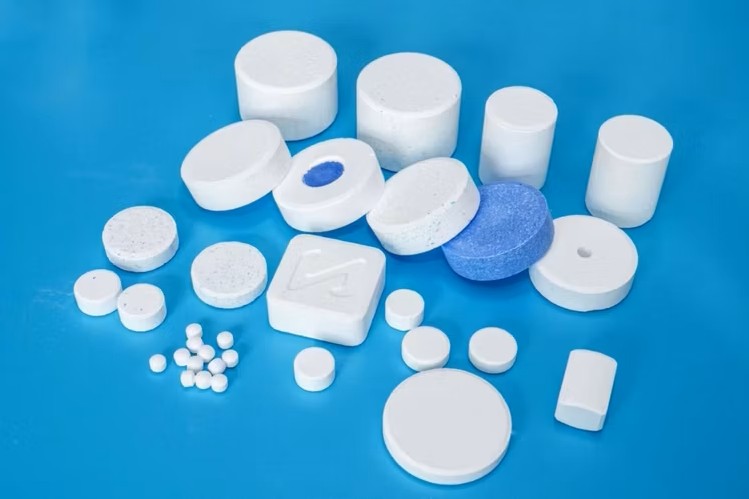
TCCA arrives in various physical forms, each serving distinct market segments:
Tablets (200g, 500g): Primarily used in swimming pool maintenance and small-scale water treatment. These slow-dissolving tablets provide consistent chlorine release over extended periods.
Granular Form: Preferred for industrial applications and large-scale water treatment facilities where rapid dissolution is necessary.
Powder: Utilized in municipal water treatment and situations requiring precise dosage control.
Understanding these variations allows you to match the right product form to your customers’ specific needs, positioning yourself as a knowledgeable partner rather than just another distributor.
Critical Factors When Evaluating TCCA Suppliers
Manufacturing Standards and Certifications
Not all manufacturing facilities operate under the same quality protocols. During my industry tenure, I have audited numerous production sites across Asia and discovered significant variations in quality control procedures.
Reputable suppliers maintain ISO 9001 certification and follow strict manufacturing guidelines. They conduct regular batch testing for available chlorine content, moisture levels, and pH stability. Ask potential suppliers for their Certificate of Analysis (CoA) for recent production batches. A transparent supplier will provide this documentation without hesitation.
Supply Chain Reliability
The global chemical supply chain has experienced considerable disruption over recent years. When evaluating TCCA suppliers, examine their raw material sourcing strategies. Suppliers who maintain multiple cyanuric acid sources demonstrate better resilience against market fluctuations.
Consider their production capacity relative to your ordering volumes. A supplier operating at 90% capacity may struggle to accommodate your growth or handle urgent orders. Ideal partners maintain approximately 70-75% capacity utilization, leaving room for scaling when your business expands.
Packaging and Storage Considerations
TCCA requires proper packaging to maintain product integrity during transportation and storage. Quality suppliers use moisture-resistant packaging with inner polyethylene liners and outer woven bags or drums. The packaging should clearly display:
- Batch numbers for traceability
- Manufacturing and expiration dates
- Safety handling instructions
- Available chlorine percentage guarantees
Poor packaging leads to moisture absorption, which triggers premature chlorine release and reduces product effectiveness. I have witnessed entire shipments become compromised due to inadequate packaging standards, resulting in significant financial losses for wholesalers.
Building Product-Driven Partnerships
Technical Support Beyond the Transaction
Exceptional TCCA suppliers offer more than just products. They provide technical documentation, safety data sheets, and application guidance that helps you serve your customers better. This support becomes particularly valuable when your clients encounter unusual water treatment challenges.
Some suppliers maintain technical teams who can assist with dosage calculations, compatibility questions, and troubleshooting. This level of support differentiates you from competitors who simply move boxes without adding value.
Consistency Testing Protocols
Request information about the supplier’s internal testing procedures. Quality-focused manufacturers test every production batch for:
- Available chlorine content (target: 90% minimum)
- Moisture content (should not exceed 0.5%)
- pH levels in solution
- Dissolution rates
- Particle size distribution (for granular products)
Suppliers who skip these checkpoints to reduce costs ultimately pass quality problems down the supply chain to you and your customers.
Pricing Structures That Reflect Value
While price cannot be ignored, the lowest quote often隐藏着 hidden costs. Consider total cost of ownership, including:
- Product consistency reducing customer complaints
- Reliable delivery preventing stockouts
- Technical support reducing your operational burden
- Packaging quality minimizing product loss
I have worked with wholesalers who switched from budget suppliers to premium partners and actually improved their profit margins despite higher per-unit costs. The reduction in returns, complaints, and emergency shipments more than compensated for the price difference.
Market Trends Shaping TCCA Demand
Growing Swimming Pool Industry
The global swimming pool chemical market continues expanding, particularly in developing regions where middle-class populations are growing. Residential pool ownership increases demand for convenient, effective disinfection solutions. TCCA tablets remain the preferred choice for this segment due to their ease of use and extended treatment periods.
Industrial Water Treatment Expansion
Manufacturing facilities, cooling towers, and industrial processes require consistent water treatment to prevent biological contamination and equipment damage. This sector values bulk TCCA supplies with reliable specifications and predictable delivery schedules.
Regulatory Compliance Pressures
Environmental and safety regulations continue tightening worldwide. Suppliers who proactively adapt to these changes provide wholesalers with compliance advantages. Documentation for REACH, EPA, and other regulatory frameworks becomes increasingly important for international distribution.
Red Flags to Avoid When Selecting Suppliers
Based on my experience, watch for these warning signs:
Inconsistent Batch Quality: If chlorine content varies significantly between batches, the supplier lacks proper quality control.
Reluctance to Provide Documentation: Hesitation in sharing Certificates of Analysis or safety data sheets suggests potential compliance issues.
Unrealistically Low Pricing: Prices substantially below market averages often indicate inferior raw materials or compromised manufacturing processes.
Poor Communication Response Times: Suppliers who struggle to respond promptly during the sales process will likely perform worse when problems arise.
Limited Production Transparency: Inability or unwillingness to discuss manufacturing processes may hide quality shortcuts.
Making the Transition to a New Supplier
Switching TCCA suppliers requires careful planning to avoid disrupting your customers’ operations. I recommend the following approach:
- Request Samples: Test new supplier products alongside your current inventory before making commitments.
- Start with Trial Orders: Begin with smaller quantities to verify consistency across multiple batches.
- Maintain Backup Inventory: Keep sufficient stock from your existing supplier during the transition period.
- Communicate with Customers: Inform key accounts about potential changes and gather their feedback on product performance.
- Document Everything: Maintain detailed records of product performance, delivery times, and any issues that arise.
Conclusion: Your Partnership Strategy Determines Success
Selecting TCCA suppliers represents one of the most important business decisions wholesalers face in the water treatment chemical sector. Product-driven partnerships prioritize quality, consistency, and mutual growth over short-term cost savings.
The suppliers who will serve you best understand that their success depends on your success. They invest in quality control, maintain transparent communication, and provide the technical support necessary for you to serve your customers confidently.
Take time to evaluate potential partners thoroughly. Request documentation, visit facilities when possible, and speak with their existing wholesale customers. The effort invested in supplier selection pays dividends through reduced complications, stronger customer relationships, and sustainable business growth.
Your reputation as a wholesaler rests on the products you distribute. Choose TCCA suppliers who share your commitment to quality and reliability, and build partnerships that drive long-term success for all parties involved.
Frequently Asked Questions
Q: What is the typical shelf life of TCCA when stored properly?
A: Properly packaged and stored TCCA maintains its effectiveness for 24 to 36 months. Storage conditions matter significantly: keep products in cool, dry environments away from direct sunlight and moisture. I recommend rotating inventory using first-in-first-out methods to ensure customers receive the freshest product possible.
Q: How do I verify the available chlorine content in TCCA shipments?
A: Request Certificates of Analysis from your supplier for each batch. For additional verification, you can send samples to independent testing laboratories. Premium suppliers typically guarantee 90% minimum available chlorine content and stand behind these specifications with testing documentation.
Q: What shipping considerations apply to TCCA as a hazardous material?
A: TCCA classifies as an oxidizing substance (Class 5.1) for transportation purposes. Ensure your supplier understands and complies with international shipping regulations including proper labeling, documentation, and packaging requirements. Non-compliant shipments face delays, fines, or rejection at ports.
Q: Can TCCA be mixed with other water treatment chemicals?
A: Exercise extreme caution. TCCA should never mix with acids, ammonia, or other chlorine products as dangerous reactions can occur. Provide your customers with clear compatibility guidelines and safety data sheets to prevent hazardous situations.
Q: What minimum order quantities should wholesalers expect?
A: This varies by supplier. Many manufacturers set minimum orders between 500kg to 1 ton for direct purchases. Some suppliers offer flexibility for established wholesale partners. Negotiate terms that match your inventory turnover rates and storage capacity.
Q: How do seasonal demand fluctuations affect TCCA availability?
A: Swimming pool chemicals experience peak demand during spring and summer months in northern hemisphere markets. Plan your inventory accordingly and discuss capacity reservations with suppliers ahead of peak seasons to avoid shortages.
Author: Marcus Richardson
For more information about water treatment chemical partnerships and product specifications, visit our contact page at https://envochemical.com/contact-us/
