
Bulk SDIC for Pharma Plants: Chlorination High
Introduction
Having spent over fifteen years in the chemical supply industry, I’ve witnessed firsthand how pharmaceutical manufacturers struggle with water treatment challenges. The demand for reliable chlorination solutions has never been more critical. Today, I want to share insights about bulk Sodium Dichloroisocyanurate (SDIC) and why it remains the preferred choice for pharmaceutical plant operations worldwide.
When you’re running a pharma facility, water quality isn’t just about compliance—it’s about protecting your entire production line. I’ve consulted with dozens of plant managers who initially hesitated about switching to SDIC, only to become its strongest advocates within months. Let me explain why.
Understanding SDIC in Pharmaceutical Applications
What Makes SDIC Different?
Sodium Dichloroisocyanurate (CAS: 2893-78-9) stands apart from traditional chlorination agents. Unlike sodium hypochlorite, SDIC delivers higher residual chlorine levels while maintaining more stable pH conditions. This matters tremendously in pharmaceutical settings where consistency determines everything.
From my experience visiting production facilities across Asia and Europe, I’ve noticed three recurring pain points:
- Inconsistent disinfection results
- Frequent chemical replenishment requirements
- Storage and handling complications
SDIC addresses each of these concerns effectively. The compound releases chlorine gradually, providing extended protection without constant monitoring. Plant operators appreciate this reliability during long production cycles.
Technical Specifications Matter
When sourcing bulk SDIC, pay attention to available chlorine content. Premium grades typically offer 56% to 60% active chlorine. The molecular formula C₃Cl₂N₃NaO₃ indicates strong oxidizing properties, making it highly effective against bacteria, viruses, and fungal contaminants commonly found in pharmaceutical water systems.
I always recommend requesting certificates of analysis before committing to large orders. Reputable suppliers provide detailed documentation including particle size distribution, moisture content, and stability data. These specifications directly impact your dosing calculations and overall treatment efficiency.
Implementation Strategies for Pharma Plants
Dosage Optimization
One mistake I frequently observe involves overdosing. More isn’t always better. Based on water quality parameters, typical concentrations range from 2 to 5 ppm for routine disinfection. Higher levels may be necessary during system sanitization procedures.
Work with your water treatment team to establish baseline measurements. Monitor free chlorine residuals regularly. Adjust dosing schedules according to production demands and seasonal variations. Remember, pharmaceutical water systems operate under strict regulatory frameworks—documentation is essential.
Storage and Handling Considerations
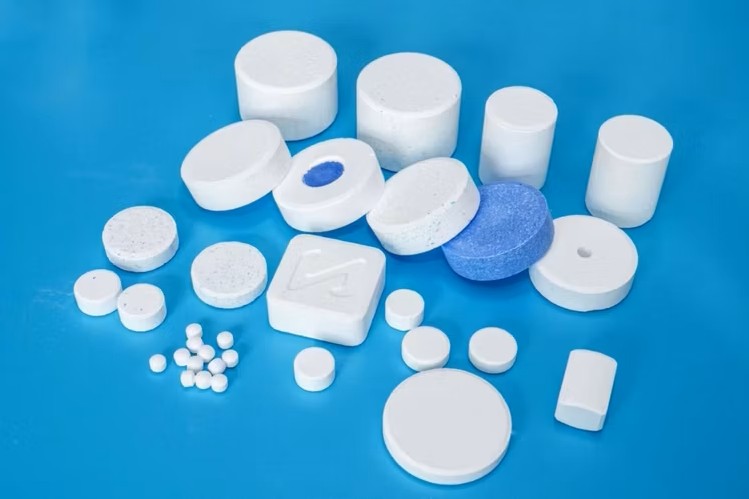
SDIC arrives as white crystalline powder or granules. Proper storage prevents degradation. Keep containers sealed in cool, dry areas away from direct sunlight. I’ve seen facilities lose product effectiveness simply due to poor warehouse conditions.
Safety protocols cannot be overlooked. While SDIC is relatively stable, it remains a strong oxidizer. Ensure staff receive proper training on handling procedures. Personal protective equipment should be readily available in all storage and dosing areas.
Cost-Benefit Analysis for Bulk Purchasing
Long-Term Savings
Switching to bulk SDIC purchasing delivers measurable financial benefits. Per-unit costs decrease significantly compared to smaller packaged quantities. Reduced shipping frequency lowers logistics expenses. Less frequent handling minimizes labor requirements.
I recently helped a mid-sized pharmaceutical manufacturer calculate their annual savings. After transitioning to bulk SDIC procurement, they reduced water treatment costs by approximately 34% while improving disinfection consistency. The return on investment became apparent within the first quarter.
Supply Chain Reliability
Partner with established suppliers who maintain consistent inventory levels. Production interruptions due to chemical shortages can cost far more than any savings from questionable vendors. I prioritize suppliers with proven track records in pharmaceutical-grade chemical distribution.
Request information about their manufacturing capabilities, quality control processes, and delivery timelines. Reliable partners provide transparent communication throughout the ordering process.
Making the Decision
Choosing the right chlorination solution requires careful evaluation. Consider your facility’s specific requirements, regulatory obligations, and long-term operational goals. SDIC offers compelling advantages for pharmaceutical plants seeking reliable, cost-effective water treatment.
I encourage you to request samples for testing before committing to bulk orders. Conduct side-by-side comparisons with your current treatment method. Measure actual performance rather than relying solely on specifications.
Author: Dr. Marcus Richardson
With extensive experience in industrial chemical procurement and water treatment consulting, I help pharmaceutical manufacturers optimize their operations through strategic chemical sourcing decisions.
