
SDIC for Laboratories: Accurate Water
Introduction
In the modern laboratory environment, water quality stands as a fundamental pillar of experimental accuracy and reproducibility. Whether conducting pharmaceutical research, environmental testing, or chemical analysis, laboratories require water that meets stringent purity standards. Sodium Dichloroisocyanurate (SDIC) has emerged as a critical solution for maintaining accurate water quality in laboratory settings. This comprehensive guide explores how SDIC technology ensures reliable water treatment, supporting B2B laboratories in achieving consistent results while maintaining operational efficiency.
Understanding SDIC Technology
What is Sodium Dichloroisocyanurate?
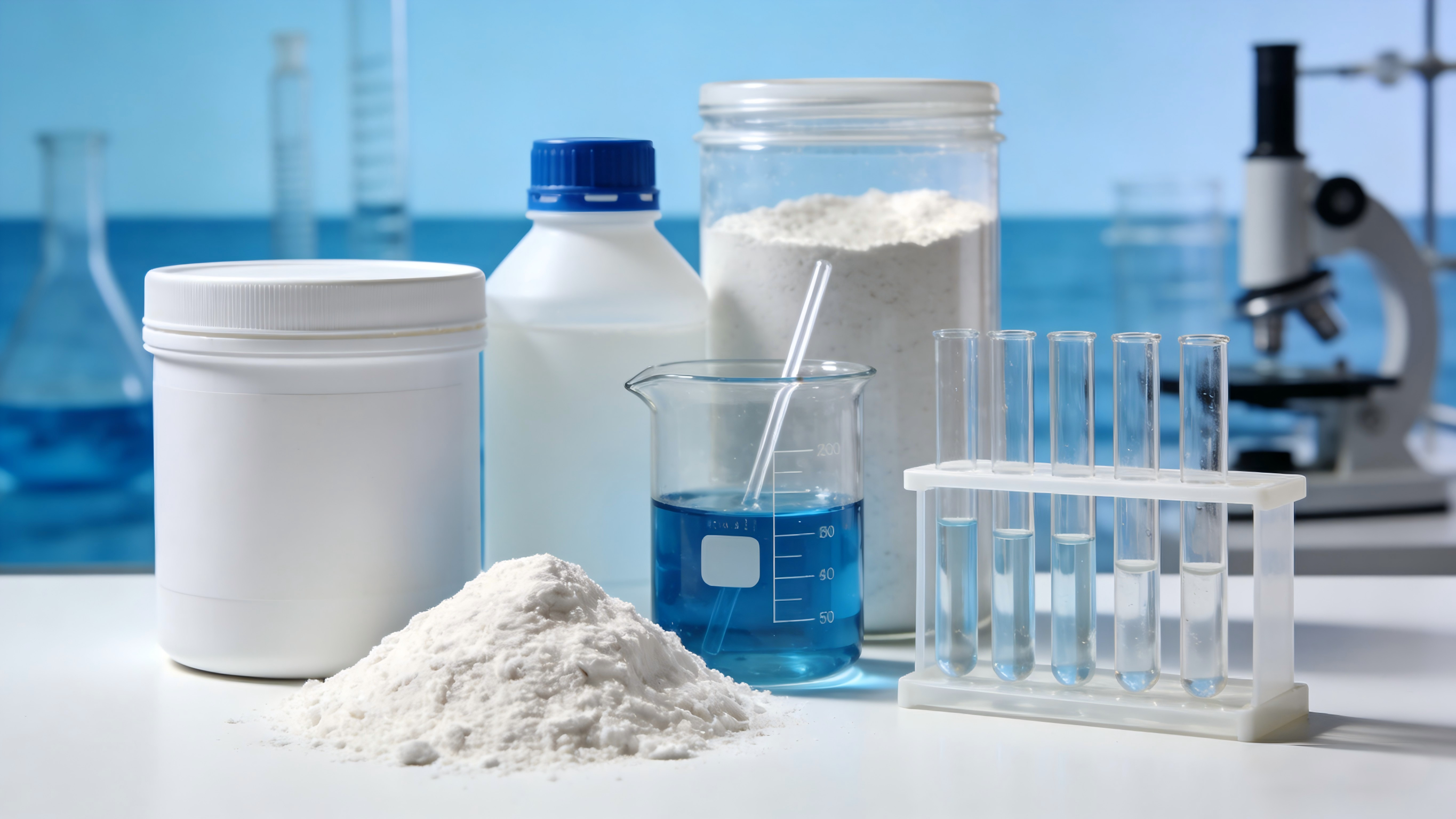
Sodium Dichloroisocyanurate, commonly abbreviated as SDIC, is an organic compound with the chemical formula C3Cl2N3NaO3. This white crystalline powder serves as a powerful oxidizing agent and disinfectant, widely recognized for its exceptional stability and broad-spectrum antimicrobial properties. In laboratory water treatment applications, SDIC provides controlled chlorine release, ensuring consistent disinfection without compromising water purity parameters.
Chemical Properties and Advantages
SDIC demonstrates several characteristics that make it ideal for laboratory water systems:
- High Solubility: Dissolves readily in water, facilitating easy integration into existing treatment protocols
- Stable Chlorine Content: Maintains approximately 60% available chlorine, providing predictable disinfection performance
- Extended Shelf Life: Remains effective during storage when properly handled
- pH Compatibility: Functions effectively across a wide pH range, suitable for various laboratory water types
Laboratory Water Quality Challenges
Contamination Risks in Laboratory Settings
Laboratories face unique water quality challenges that can compromise experimental integrity. Microbial contamination represents one of the most significant threats, potentially leading to:
- Inaccurate analytical results
- Compromised cell culture viability
- Equipment fouling and reduced lifespan
- Regulatory compliance failures
Traditional water treatment methods often fall short in addressing these challenges comprehensively, creating demand for more sophisticated solutions like SDIC-based treatment systems.
Regulatory Requirements and Standards
Laboratory water must comply with various international standards, including ASTM, CLSI, and ISO specifications. These standards define acceptable levels of microbial contamination, chemical impurities, and particulate matter. SDIC treatment helps laboratories meet these requirements through reliable disinfection performance and documented quality control protocols.
SDIC Implementation Strategies
Integration into Water Treatment Systems
Successful SDIC implementation requires careful planning and system integration. Laboratories should consider the following approach:
Step One: Water Quality Assessment
Conduct comprehensive baseline testing to understand current water quality parameters, including microbial load, chemical composition, and physical characteristics.
Step Two: Dosage Determination
Calculate appropriate SDIC concentrations based on water volume, contamination levels, and desired residual chlorine levels. Typical laboratory applications range from 0.5 to 2.0 ppm depending on specific requirements.
Step Three: Monitoring Protocol
Establish regular testing schedules to verify treatment effectiveness and adjust dosing as needed. Continuous monitoring ensures consistent water quality and early detection of potential issues.
Best Practices for SDIC Handling
Safe and effective SDIC usage requires adherence to established handling protocols:
- Store in cool, dry conditions away from incompatible materials
- Use appropriate personal protective equipment during handling
- Follow manufacturer guidelines for dissolution and application
- Maintain detailed records of usage and water quality testing
Cost-Benefit Analysis for B2B Laboratories
Operational Efficiency Gains
Implementing SDIC water treatment delivers measurable operational benefits:
- Reduced Downtime: Minimized equipment maintenance and cleaning requirements
- Extended Equipment Life: Protection against microbial fouling and corrosion
- Consistent Results: Improved experimental reproducibility and data reliability
- Regulatory Compliance: Simplified documentation and audit preparedness
Long-Term Financial Impact
While initial implementation requires investment, SDIC treatment generates significant long-term savings through reduced equipment replacement costs, minimized experimental failures, and streamlined quality assurance processes. B2B laboratories typically realize return on investment within 12-18 months of implementation.
Technical Support and Customization
Tailored Solutions for Specific Applications
Different laboratory applications demand customized water treatment approaches. Our technical team works directly with B2B clients to develop solutions matching specific requirements:
- Pharmaceutical manufacturing water systems
- Research laboratory ultrapure water treatment
- Environmental testing facility protocols
- Quality control laboratory standards
Ongoing Partnership and Support
Successful SDIC implementation extends beyond initial installation. We provide continuous technical support, training programs, and system optimization services to ensure sustained performance and maximum value realization.
Conclusion
SDIC represents a proven, reliable solution for laboratory water treatment, delivering the accuracy and consistency that modern B2B laboratories require. By understanding SDIC technology, implementing proper protocols, and partnering with experienced suppliers, laboratories can achieve superior water quality while optimizing operational efficiency. The investment in SDIC-based water treatment systems pays dividends through improved experimental outcomes, regulatory compliance, and long-term cost savings.
Frequently Asked Questions (FAQ)
Q1: What concentration of SDIC is recommended for laboratory water treatment?
A: Typical concentrations range from 0.5 to 2.0 ppm depending on water quality requirements and specific application needs. Consult with technical specialists for precise dosage recommendations.
Q2: How does SDIC compare to other disinfectants for laboratory use?
A: SDIC offers superior stability, controlled chlorine release, and broader spectrum antimicrobial activity compared to many alternative disinfectants, making it particularly suitable for sensitive laboratory applications.
Q3: What is the shelf life of SDIC products?
A: When stored properly in cool, dry conditions, SDIC maintains effectiveness for 24-36 months. Regular quality testing ensures product integrity before use.
Q4: Can SDIC be used in ultrapure water systems?
A: Yes, SDIC can be integrated into ultrapure water treatment protocols with appropriate filtration and monitoring systems to maintain required purity standards.
Q5: What documentation is available for regulatory compliance?
A: Comprehensive documentation including Certificates of Analysis, Safety Data Sheets, and technical specifications are provided to support regulatory compliance and audit requirements.
Q6: How quickly can SDIC treatment systems be implemented?
A: Implementation timelines vary based on system complexity, typically ranging from 2-6 weeks including assessment, installation, and validation phases.
For more information about SDIC solutions for your laboratory water treatment needs, visit our contact page at https://envochemical.com/contact-us/
