
Wholesale TCCA for Hotels: Disinfection Guest Safety Solutions
Author: Marcus J. Richardson
Introduction: The Hidden Challenge Every Hotel Manager Faces
Last year, I visited a luxury resort in Southeast Asia that had just experienced what every hospitality professional dreads—a guest illness outbreak traced back to contaminated water systems. The investigation revealed inadequate disinfection protocols in their swimming pools, spas, and even drinking water treatment facilities. The reputational damage cost them far more than implementing proper water treatment would have.
As a water treatment chemical specialist with over fifteen years in the industry, I’ve witnessed firsthand how Trichloroisocyanuric Acid (TCCA) has become the cornerstone of effective hotel disinfection programs. This isn’t just about keeping pools clear—it’s about protecting your guests, your staff, and your brand reputation.
Why TCCA Has Become the Gold Standard for Hotel Disinfection
Understanding TCCA’s Unique Advantages
TCCA, chemically known as Trichloroisocyanuric Acid (CAS: 87-90-1), represents a significant advancement over traditional chlorine-based disinfectants. With approximately 90% available chlorine content, it delivers杀菌 efficiency 40-80 times greater than sodium hypochlorite solutions. But the numbers only tell part of the story.
What makes TCCA particularly valuable for hotel operations is its controlled release mechanism. Unlike liquid chlorine that dissipates rapidly, TCCA maintains consistent disinfection levels over extended periods. This means your housekeeping and maintenance teams can focus on guest services rather than constant chemical monitoring and reapplication.
The Multi-Application Advantage
Hotels aren’t just buildings—they’re complex ecosystems requiring comprehensive disinfection strategies. TCCA serves multiple critical functions:
- Swimming Pool and Spa Treatment: Maintains crystal-clear water while eliminating bacteria, viruses, and algae
- Drinking Water Purification: Ensures safe potable water throughout your property
- Surface Disinfection: Effective for sanitizing high-touch areas when properly diluted
- Laundry Treatment: Provides whitening and disinfection for linens and towels
- HVAC System Maintenance: Prevents microbial growth in cooling towers and water systems
Cost-Effectiveness: The Business Case for Wholesale TCCA Procurement
Bulk Purchasing Benefits
When you purchase TCCA at wholesale levels, the economics become compelling. Based on 2025 market data, the global TCCA market reached approximately 990 million yuan, with projections showing 7.73% compound annual growth through 2032. This growth reflects increasing recognition of TCCA’s value proposition among hospitality professionals.
Wholesale procurement offers several tangible advantages:
- Reduced Per-Unit Costs: Volume discounts typically range from 15-30% compared to retail pricing
- Supply Chain Stability: Securing long-term contracts protects against market fluctuations
- Inventory Management: Consistent supply prevents emergency purchasing at premium prices
- Quality Consistency: Working directly with manufacturers ensures product specification reliability
Hidden Cost Savings
Beyond the obvious price advantages, wholesale TCCA procurement generates operational efficiencies. The extended release characteristics mean reduced labor hours for chemical application. Staff training becomes simpler with standardized protocols. And perhaps most importantly, the risk of guest-related incidents decreases significantly, protecting your property from potential liability claims.
Implementation Best Practices for Hotel Operations
Proper Dosage and Application
One mistake I’ve seen repeatedly is improper dosing. More isn’t better—it’s dangerous. For swimming pools, typical TCCA concentrations range from 1-3 ppm free chlorine, depending on bather load and environmental conditions. Drinking water applications require even more precise control, generally maintaining 0.2-0.5 ppm residual chlorine.
I recommend implementing a three-tier monitoring system:
- Daily visual inspections and basic testing
- Weekly comprehensive water quality analysis
- Monthly third-party verification audits
Safety Protocols That Protect Everyone
TCCA is powerful, which means it demands respect. Your staff should receive comprehensive training covering:
- Personal protective equipment requirements
- Proper storage conditions (cool, dry, ventilated areas)
- Emergency response procedures
- Compatible and incompatible chemical combinations
Never mix TCCA with ammonia-based cleaners or acidic products—this creates hazardous chloramine gases. Establish clear labeling systems and maintain safety data sheets in accessible locations throughout your property.
Quality Verification: What to Look For
Not all TCCA products meet the same standards. When evaluating wholesale suppliers, request:
- Certificate of Analysis for each batch
- Manufacturing facility certifications (ISO, GMP where applicable)
- Stability testing data
- Customer references from similar hospitality operations
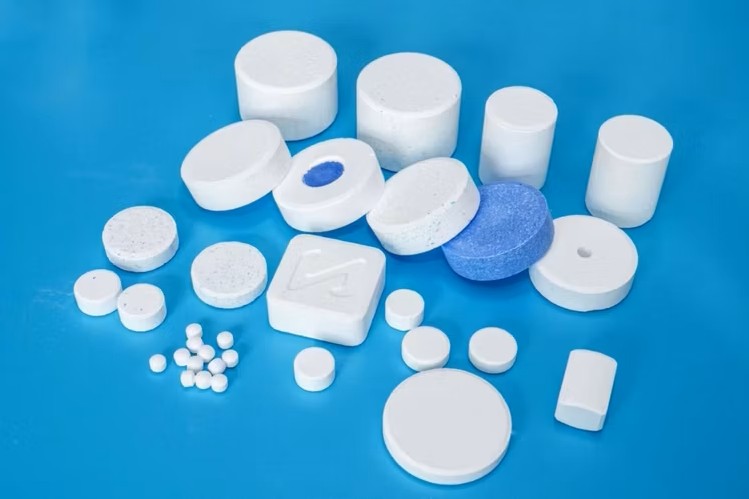
The product should arrive as white crystalline powder, granules, or tablets with minimal odor. Discoloration or clumping indicates moisture exposure and potential degradation.
Regulatory Compliance and Guest Confidence
Meeting International Standards
Hotels operating across multiple jurisdictions face complex regulatory landscapes. TCCA’s widespread acceptance simplifies compliance—it’s approved by major health authorities including the EPA, WHO, and EU biocidal product regulations when used according to label directions.
Documentation becomes your friend here. Maintain detailed records of:
- Chemical purchase dates and batch numbers
- Application logs with dates, times, and personnel
- Water quality test results
- Staff training certifications
Communicating Safety to Guests
Today’s travelers are increasingly health-conscious. Many properties now include water quality information in guest communications, turning safety protocols into marketing advantages. Consider displaying current pool water quality readings in visible locations or including disinfection protocol summaries in welcome materials.
Transparency builds trust, and trust drives repeat business.
Environmental Considerations for Modern Hospitality
Sustainability isn’t optional anymore—it’s expected. TCCA offers environmental advantages worth highlighting:
- Lower chemical volumes required compared to alternative disinfectants
- Reduced packaging waste through concentrated formulations
- Minimal byproduct formation when used correctly
- Biodegradable breakdown products
Work with your supplier to establish proper disposal protocols for empty containers and any unused product. Many manufacturers now offer recycling programs for packaging materials.
Frequently Asked Questions
Q: How long does TCCA remain effective in storage?
A: Properly stored in original sealed containers away from moisture and direct sunlight, TCCA maintains potency for 2-3 years. However, I recommend implementing first-in-first-out inventory rotation and testing older stock before use.
Q: Can TCCA be used in saltwater pools?
A: Yes, but with considerations. TCCA works effectively in saltwater systems, though you’ll need to monitor cyanuric acid buildup over time. Regular partial water changes help maintain optimal balance.
Q: What’s the difference between TCCA tablets and granules?
A: Tablets provide slower, more controlled release—ideal for automatic feeders and sustained disinfection. Granules dissolve faster, making them suitable for shock treatments and rapid response situations. Many hotels maintain both forms for different applications.
Q: How do I calculate the right TCCA dosage for my property?
A: Dosage depends on water volume, current chlorine levels, bather load, and temperature. Start with manufacturer recommendations, then adjust based on regular testing. I suggest working with your supplier to develop property-specific protocols during initial implementation.
Q: Is TCCA safe for guests with sensitive skin?
A: When maintained at proper concentrations, TCCA-treated water is generally well-tolerated. However, individuals with chlorine sensitivities may experience irritation. Maintain proper pH balance (7.2-7.6 for pools) to minimize irritation potential, and ensure adequate rinse showers are available.
Q: What emergency procedures should we have in place?
A: Develop written protocols covering chemical spills, accidental exposure, and over-chlorination incidents. Keep emergency contact numbers visible, maintain eyewash stations in chemical storage areas, and ensure staff know evacuation routes. Regular drills keep everyone prepared.
Making the Decision: Next Steps for Your Property
Transitioning to or optimizing your TCCA disinfection program doesn’t happen overnight. Start with a comprehensive audit of your current water treatment practices. Identify gaps, document pain points, and calculate true costs including labor, product, and risk factors.
Then, engage with reputable wholesale suppliers who understand hospitality requirements. Ask about technical support, training resources, and emergency response assistance. The right partner becomes an extension of your team, not just a vendor.
Remember: effective disinfection isn’t an expense—it’s an investment in guest safety, operational efficiency, and brand protection. The properties that recognize this distinction are the ones that thrive in today’s competitive hospitality landscape.
Your guests trust you with their safety. TCCA, properly implemented through reliable wholesale channels, helps you honor that trust every single day.
Contact us to discuss your hotel’s specific TCCA requirements and receive a customized wholesale quotation. https://envochemical.com/contact-us/
