
SDIC Importers for Hospitals: Prevention Sterile
Author: Dr. Marcus Richardson
Introduction: The Critical Role of Sterile Prevention in Modern Healthcare
Having spent over fifteen years in the water treatment and disinfection chemical industry, I’ve witnessed firsthand how the demand for reliable sterilization solutions has transformed hospital operations worldwide. Today, healthcare facilities face unprecedented challenges in maintaining sterile environments while managing costs and regulatory compliance. This is where Sodium Dichloroisocyanurate (SDIC) emerges as a game-changing solution for hospital importers seeking effective prevention sterile protocols.
In this comprehensive guide, I’ll share insights on why SDIC has become the preferred choice for hospital disinfection, what importers should consider when sourcing this critical chemical, and how it addresses the evolving needs of modern healthcare facilities.
Understanding SDIC: The Science Behind Hospital-Grade Disinfection
What Makes SDIC Unique for Medical Applications?
Sodium Dichloroisocyanurate, commonly known as SDIC, is an organic compound with the chemical formula C₃Cl₂N₃NaO₃. Unlike traditional chlorine-based disinfectants, SDIC offers several distinctive advantages that make it particularly suitable for hospital environments:
Stable Chlorine Release: SDIC provides controlled, sustained chlorine release when dissolved in water. This stability ensures consistent disinfection performance over extended periods, reducing the frequency of reapplication in critical care areas.
Broad-Spectrum Efficacy: Research demonstrates that SDIC effectively eliminates bacteria, viruses, fungi, and spores. Its broad-spectrum activity makes it invaluable for preventing healthcare-associated infections (HAIs), which remain a significant concern for hospital administrators globally.
Safety Profile: When used according to recommended concentrations, SDIC presents minimal risk to healthcare workers and patients. Its low toxicity compared to alternative disinfectants makes it suitable for diverse hospital applications, from surgical instrument sterilization to environmental surface disinfection.
Technical Specifications Importers Should Know
For procurement professionals evaluating SDIC suppliers, understanding key technical parameters is essential:
| Specification | Standard Range |
|---|---|
| Available Chlorine Content | 55-60% |
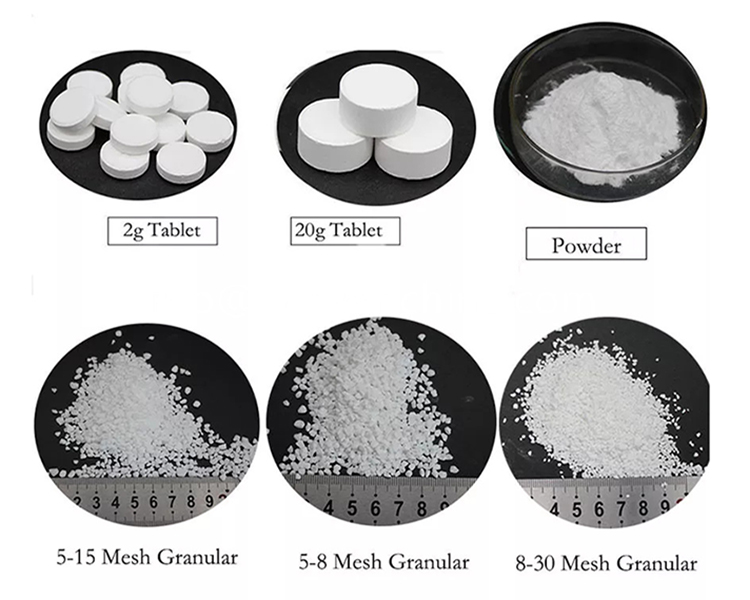
| Physical Form | White crystalline powder or tablets |
| Solubility | Highly soluble in water |
| pH Level (1% solution) | 5.5-7.0 |
| Shelf Life | 24-36 months (proper storage) |
| CAS Number | 2893-78-9 |
These specifications vary among manufacturers, which is why partnering with reputable SDIC importers becomes crucial for hospital supply chains.
Why Hospitals Are Increasingly Choosing SDIC for Sterile Prevention
Cost-Effectiveness Without Compromising Quality
From my conversations with hospital procurement directors across multiple continents, budget constraints consistently rank among top concerns. SDIC delivers exceptional value because:
- Lower dosage requirements compared to traditional bleach solutions
- Extended shelf life reduces waste from expired products
- Versatile applications mean fewer specialized disinfectants needed
- Reduced storage space due to concentrated formulations
Regulatory Compliance Made Simpler
Healthcare facilities operate under stringent regulatory frameworks. SDIC helps hospitals meet compliance requirements because it’s recognized by major health organizations worldwide. Documentation for regulatory audits is typically more straightforward with established chemical compounds like SDIC compared to newer, less-documented alternatives.
Operational Flexibility Across Hospital Departments
One aspect that often gets overlooked is SDIC’s versatility. In my experience consulting with hospital facilities, I’ve seen SDIC successfully deployed across:
- Surgical Units: Instrument sterilization and operating room surface disinfection
- Emergency Departments: Rapid response disinfection for trauma areas
- Intensive Care Units: Continuous environmental sanitation
- Laboratories: Equipment and workspace decontamination
- Laundry Services: Medical linen disinfection protocols
- Water Systems: Hospital water treatment and legionella prevention
This cross-departmental utility simplifies inventory management and reduces the complexity of hospital chemical procurement.
Key Considerations for SDIC Importers Serving Healthcare Facilities
Quality Assurance and Certification
Not all SDIC products meet hospital-grade standards. When evaluating suppliers, I recommend prioritizing manufacturers with:
- ISO 9001 quality management certification
- GMP (Good Manufacturing Practice) compliance
- Third-party laboratory testing reports
- Batch traceability systems
- Material Safety Data Sheets (MSDS) in multiple languages
Supply Chain Reliability
Hospital operations cannot tolerate disinfectant shortages. Reliable SDIC importers maintain:
- Adequate inventory buffers for emergency situations
- Multiple production sources to mitigate supply disruptions
- Efficient logistics networks for timely delivery
- Clear communication channels for order tracking
Technical Support and Training
The best SDIC suppliers offer more than just products. They provide:
- Application guidance specific to healthcare settings
- Staff training on proper handling and dilution
- Emergency response protocols for accidental exposure
- Regular updates on best practices and regulatory changes
Addressing Common Concerns About SDIC in Hospital Settings
Storage and Stability Questions
Proper storage significantly impacts SDIC effectiveness. Based on industry best practices:
- Store in cool, dry environments below 30°C
- Keep containers sealed to prevent moisture absorption
- Avoid direct sunlight exposure
- Implement first-in-first-out (FIFO) inventory rotation
Environmental Impact Considerations
Modern hospitals increasingly prioritize environmental sustainability. SDIC offers advantages here as well:
- Breaks down into environmentally benign compounds
- Lower transportation emissions due to concentrated formulations
- Reduced packaging waste compared to liquid alternatives
- Compatible with standard wastewater treatment processes
Integration with Existing Protocols
Transitioning to SDIC doesn’t require complete protocol overhauls. Most hospitals can integrate SDIC into existing disinfection frameworks with minimal disruption. The key is proper staff training and gradual implementation across departments.
The Future of Hospital Disinfection: SDIC’s Evolving Role
Looking ahead, I anticipate several trends shaping SDIC demand in healthcare:
Increased Automation: Hospital disinfection systems are becoming more automated, requiring consistent, reliable chemical inputs that SDIC provides.
Pandemic Preparedness: Recent global health crises have highlighted the need for stockpiled, stable disinfectants. SDIC’s long shelf life makes it ideal for emergency reserves.
Sustainability Mandates: As healthcare facilities face pressure to reduce environmental impact, SDIC’s favorable ecological profile positions it well for future procurement decisions.
Regulatory Harmonization: International standards for hospital disinfection are gradually converging, benefiting established compounds like SDIC with extensive safety data.
Frequently Asked Questions (FAQ)
Q1: What concentration of SDIC is recommended for hospital surface disinfection?
A: For general hospital surface disinfection, concentrations between 500-1000 ppm available chlorine are typically effective. However, specific applications may require different concentrations. Always consult manufacturer guidelines and local regulatory requirements.
Q2: How does SDIC compare to sodium hypochlorite (bleach) for hospital use?
A: SDIC offers greater stability, longer shelf life, and more consistent chlorine release compared to sodium hypochlorite. While bleach may be cheaper initially, SDIC often provides better long-term value due to reduced waste and more predictable performance.
Q3: Can SDIC be used for sterilizing medical instruments?
A: SDIC can be used for high-level disinfection of certain medical instruments, but it’s not suitable for all sterilization requirements. Critical instruments requiring complete sterilization should follow specific protocols. Consult infection control specialists for instrument-specific guidance.
Q4: What safety precautions should hospital staff follow when handling SDIC?
A: Standard precautions include wearing protective gloves and eye protection, ensuring adequate ventilation, avoiding mixing with other chemicals (especially acids), and following proper dilution procedures. Always reference the Material Safety Data Sheet for comprehensive safety information.
Q5: How long does SDIC remain effective after solution preparation?
A: Prepared SDIC solutions typically remain effective for 24-48 hours, depending on storage conditions and concentration. For critical applications, fresh solutions are recommended daily. Store prepared solutions in closed containers away from light and heat.
Q6: Are there any compatibility issues with hospital materials and surfaces?
A: SDIC is generally compatible with most hospital surfaces when used at recommended concentrations. However, prolonged exposure to high concentrations may corrode certain metals. Conduct compatibility testing on sensitive equipment before widespread implementation.
Conclusion: Making Informed Decisions for Hospital Sterile Prevention
Throughout my career advising healthcare facilities on disinfection strategies, I’ve learned that successful sterile prevention programs balance efficacy, safety, cost, and operational practicality. SDIC represents a mature, well-understood solution that addresses all these considerations effectively.
For hospital importers and procurement professionals, the decision to incorporate SDIC into supply chains should be based on thorough supplier evaluation, clear understanding of application requirements, and commitment to proper staff training. The investment in quality SDIC products and knowledgeable suppliers pays dividends in reduced infection rates, regulatory compliance, and operational efficiency.
As healthcare continues to evolve, the fundamental need for reliable, effective disinfection remains constant. SDIC has proven its value across decades of hospital use, and its role in prevention sterile protocols will only grow as facilities seek proven solutions for emerging challenges.
Ready to explore SDIC solutions for your healthcare facility? Connect with experienced chemical suppliers who understand hospital requirements and can provide the technical support your team needs.
Author: Dr. Marcus Richardson
Disclaimer: This article provides general information about SDIC applications in hospital settings. Specific protocols should be developed in consultation with infection control specialists and aligned with local regulatory requirements.
