
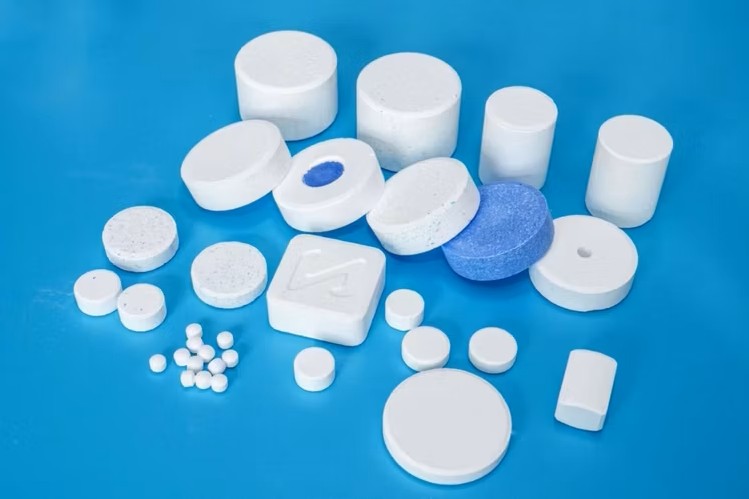
Wholesale TCCA for Municipal Water: Operator Disinfection
Introduction
In the evolving landscape of municipal water treatment, ensuring safe and potable water for communities remains a top priority for water operators worldwide. Among the various disinfection solutions available, Trichloroisocyanuric Acid (TCCA) has emerged as a reliable, cost-effective, and efficient choice for large-scale water disinfection operations. This comprehensive guide explores why wholesale TCCA is becoming the preferred solution for municipal water operators seeking sustainable disinfection strategies.
As global demand for clean water continues to rise, water treatment facilities face increasing pressure to maintain rigorous safety standards while managing operational costs. TCCA offers a compelling balance of effectiveness, stability, and economic viability that makes it particularly suitable for municipal applications. Understanding the benefits, proper handling, and implementation strategies of wholesale TCCA can help water operators optimize their disinfection protocols and ensure consistent water quality.
Understanding TCCA: The Science Behind Effective Disinfection
Chemical Properties and Composition
Trichloroisocyanuric Acid, commonly abbreviated as TCCA, is an organic compound with the molecular formula C₃Cl₃N₃O₃. This white crystalline powder contains approximately 90% available chlorine, making it one of the most concentrated chlorine-based disinfectants available on the market today. The compound’s unique molecular structure allows for controlled, slow-release chlorine delivery, which is particularly advantageous for municipal water systems requiring sustained disinfection over extended periods.
TCCA’s stability in solid form distinguishes it from liquid chlorine alternatives. This characteristic translates to easier storage, transportation, and handling—critical factors for municipal operators managing large-scale water treatment facilities. The compound maintains its potency over extended periods when stored properly, reducing waste and ensuring consistent disinfection performance.
Mechanism of Action in Water Treatment
When TCCA dissolves in water, it releases hypochlorous acid, the active disinfecting agent responsible for eliminating harmful microorganisms. This process occurs gradually, providing a sustained chlorine residual that continues to protect water throughout the distribution system. The slow-release mechanism is particularly valuable for municipal applications where water may travel significant distances before reaching end consumers.
The disinfection process effectively targets bacteria, viruses, algae, and other pathogenic organisms that pose health risks to communities. TCCA’s broad-spectrum antimicrobial activity ensures comprehensive protection against diverse microbial threats, making it suitable for various water sources including surface water, groundwater, and reservoir supplies.
Advantages of Wholesale TCCA for Municipal Operations
Cost-Effectiveness at Scale
Purchasing TCCA in wholesale quantities offers significant economic advantages for municipal water authorities. Bulk procurement reduces per-unit costs, allowing operators to maximize their treatment budgets while maintaining high disinfection standards. The high chlorine content means less product is required compared to alternative disinfectants, further enhancing cost efficiency.
Long-term contracts with reliable wholesale suppliers provide price stability and ensure consistent product availability. This predictability helps municipal operators plan their budgets more effectively and avoid disruptions caused by supply chain uncertainties.
Operational Efficiency and Safety
TCCA’s solid form simplifies handling procedures compared to liquid chlorine solutions. Operators can store TCCA in dry, well-ventilated areas without the need for specialized containment systems required for hazardous liquids. This reduces infrastructure costs and minimizes safety risks associated with chemical storage and handling.
The compound’s stability also means reduced frequency of deliveries and inventory management. Municipal facilities can maintain adequate stock levels without concerns about product degradation, ensuring continuous operation even during supply disruptions or emergency situations.
Regulatory Compliance and Water Quality Standards
Municipal water operators must adhere to strict regulatory guidelines governing water quality and disinfection practices. TCCA meets international standards for drinking water disinfection and is approved by major regulatory bodies worldwide. Using wholesale TCCA from certified suppliers ensures product quality and consistency, facilitating compliance with local and national water safety regulations.
The controlled chlorine release helps maintain optimal residual levels throughout the distribution system, meeting regulatory requirements for disinfectant residuals at point-of-delivery. This consistent performance simplifies monitoring and reporting obligations for water authorities.
Implementation Strategies for Water Operators
Dosage Determination and Monitoring
Proper dosing is critical for effective disinfection while avoiding excessive chlorine levels that can affect water taste and create disinfection byproducts. Water operators should conduct regular water quality testing to determine optimal TCCA dosage based on source water characteristics, flow rates, and distribution system requirements.
Factors influencing dosage include water temperature, pH levels, organic content, and contact time. Establishing standardized protocols for dosage adjustment ensures consistent disinfection performance across varying conditions. Automated dosing systems can enhance precision and reduce operator workload while maintaining optimal chlorine levels.
Storage and Handling Best Practices
Proper storage conditions are essential for maintaining TCCA effectiveness and ensuring operator safety. The product should be kept in cool, dry areas away from direct sunlight, moisture, and incompatible materials such as acids, ammonia, or organic compounds. Dedicated storage facilities with adequate ventilation minimize the risk of chlorine gas accumulation.
Personnel handling TCCA should receive comprehensive training on safe handling procedures, emergency response protocols, and personal protective equipment requirements. Regular safety audits and equipment inspections help maintain a secure working environment and prevent accidents.
Integration with Existing Treatment Systems
TCCA can be seamlessly integrated into existing municipal water treatment infrastructure with minimal modifications. The compound is compatible with various dosing equipment including tablet feeders, powder dispensers, and solution injection systems. This flexibility allows operators to adopt TCCA without significant capital investment in new equipment.
For facilities transitioning from alternative disinfectants, a phased implementation approach minimizes disruption while allowing operators to optimize procedures and train personnel. Pilot testing before full-scale deployment helps identify potential challenges and refine operational parameters.
Environmental Considerations and Sustainability
Reduced Environmental Impact
TCCA’s high efficiency means lower chemical usage compared to alternative disinfectants, reducing the overall environmental footprint of water treatment operations. The compound breaks down into harmless byproducts, minimizing long-term environmental concerns associated with chemical residuals.
Proper handling and disposal procedures further mitigate environmental risks. Wholesale suppliers often provide guidance on environmentally responsible practices, helping operators maintain sustainable operations while meeting regulatory requirements.
Supporting Long-Term Water Security
Reliable disinfection is fundamental to ensuring long-term water security for communities. TCCA’s proven track record in municipal applications demonstrates its role in protecting public health while supporting sustainable water management practices. Investment in quality wholesale TCCA contributes to resilient water infrastructure capable of meeting future challenges.
Conclusion
Wholesale TCCA represents a strategic choice for municipal water operators seeking effective, economical, and reliable disinfection solutions. The compound’s superior chlorine content, stability, and slow-release characteristics make it particularly well-suited for large-scale water treatment applications. By partnering with reputable wholesale suppliers and implementing best practices for storage, handling, and dosing, water authorities can optimize their disinfection operations while maintaining compliance with regulatory standards.
As communities continue to grow and water quality expectations rise, investing in proven disinfection technologies becomes increasingly important. TCCA offers the performance, reliability, and cost-effectiveness that municipal operators need to deliver safe, clean water to their constituents consistently.
Frequently Asked Questions (FAQ)
Q1: What is the typical shelf life of wholesale TCCA?
A: When stored properly in cool, dry conditions away from moisture and direct sunlight, TCCA maintains its effectiveness for 2-3 years. Proper packaging and storage conditions are essential for maximizing product longevity.
Q2: How does TCCA compare to sodium hypochlorite for municipal applications?
A: TCCA offers higher chlorine content (approximately 90% vs. 10-15% for liquid bleach), better stability during storage, and easier handling. While initial costs may be higher, the reduced volume requirements and longer shelf life often result in lower total operating costs.
Q3: What safety precautions should operators follow when handling TCCA?
A: Operators should wear appropriate personal protective equipment including gloves, eye protection, and respiratory protection when handling TCCA. Avoid contact with acids, ammonia, and organic materials. Ensure adequate ventilation in storage and handling areas.
Q4: Can TCCA be used for all types of municipal water sources?
A: TCCA is suitable for most municipal water sources including surface water, groundwater, and reservoir supplies. However, water quality testing should be conducted to determine optimal dosage and ensure compatibility with specific water characteristics.
Q5: How do I determine the right wholesale quantity for my facility?
A: Consider factors including daily water treatment volume, desired chlorine residual, storage capacity, and delivery frequency. Working with experienced suppliers can help optimize order quantities to balance cost savings with storage constraints.
Q6: Is TCCA approved for drinking water disinfection?
A: Yes, TCCA is approved by major regulatory bodies worldwide for drinking water disinfection when used according to established guidelines and dosage recommendations.
Ready to optimize your municipal water disinfection strategy with wholesale TCCA? Explore our comprehensive product range and expert support services to find the right solution for your facility’s needs.
