
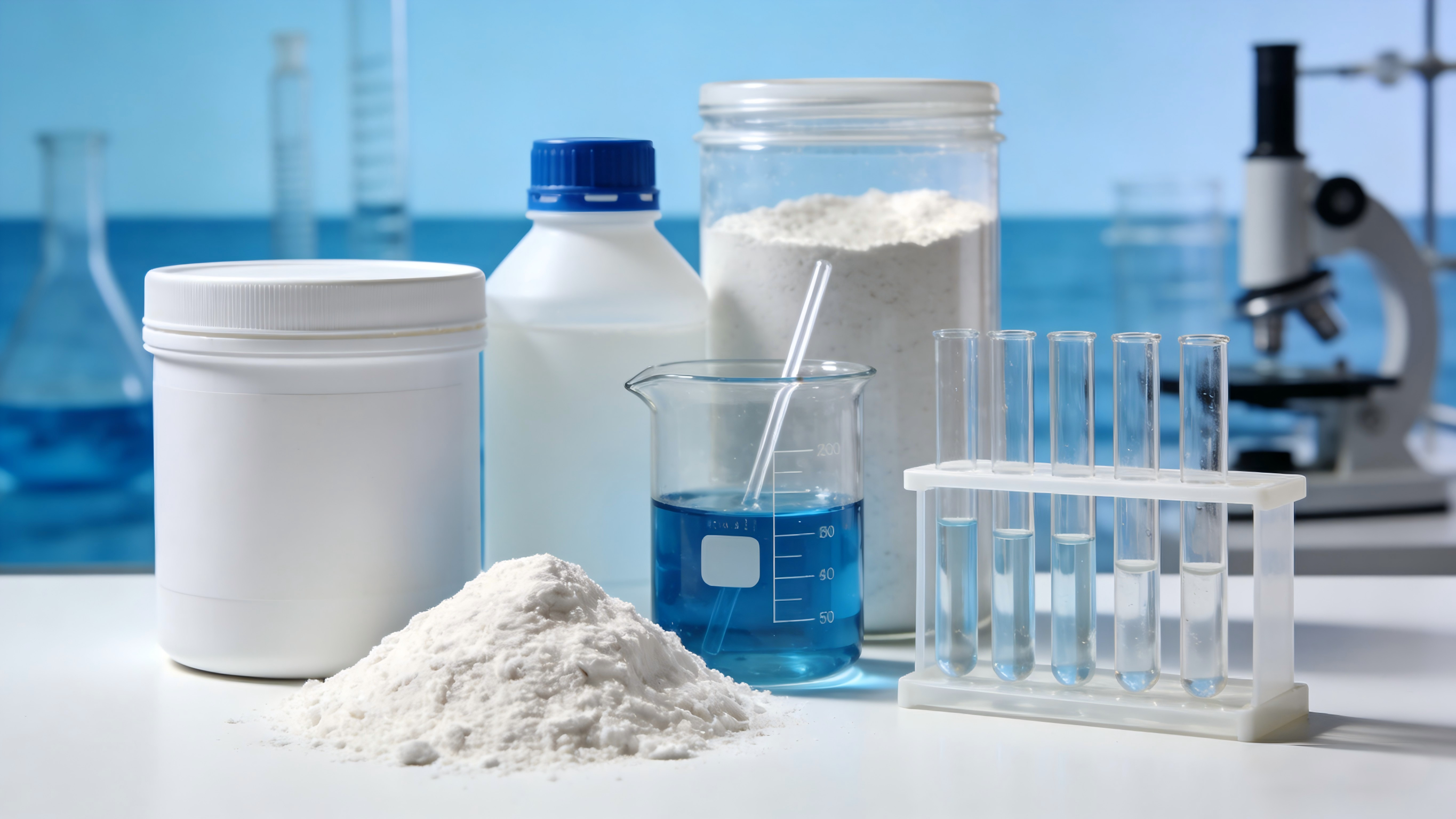
Wholesale Calcium Hypochlorite for Municipal Water: Experts Plant
Introduction
Municipal water treatment facilities worldwide face increasing demands for reliable, cost-effective disinfection solutions that meet stringent regulatory requirements. Calcium hypochlorite has emerged as a cornerstone chemical for water purification, offering superior stability, high available chlorine content, and proven efficacy in pathogen control. This comprehensive technical guide examines the critical specifications, performance parameters, and compliance standards that procurement professionals must consider when sourcing wholesale calcium hypochlorite for municipal water applications.
As water utilities navigate evolving regulatory landscapes and operational challenges, selecting the right calcium hypochlorite supplier becomes paramount. This article provides in-depth analysis of product specifications, quality certifications, and technical considerations essential for informed procurement decisions.
Understanding Calcium Hypochlorite for Water Treatment
Chemical Composition and Properties
Calcium hypochlorite (Ca(OCl)₂) is an inorganic compound widely recognized for its powerful oxidizing and disinfecting capabilities. The chemical structure consists of calcium cations bonded with hypochlorite anions, releasing chlorine upon dissolution in water.
Key Chemical Characteristics:
| Parameter | Specification |
|---|---|
| CAS Number | 7778-54-3 |
| Molecular Formula | Ca(OCl)₂ |
| Molecular Weight | 142.98 g/mol |
| EINECS Number | 231-908-7 |
| Appearance | White granular or powdered solid |
| Odor | Strong chlorine-like odor |
| Solubility | Highly soluble in water |
| pH (1% solution) | 10.5-11.5 |
Available Chlorine Content Grades
The effectiveness of calcium hypochlorite directly correlates with its available chlorine concentration. Industrial-grade products typically offer two primary specifications:
65% Available Chlorine Grade:
- Standard municipal water treatment applications
- Optimal balance between cost and performance
- Suitable for medium-scale water facilities
- Residual chlorine maintenance: 0.2-0.5 mg/L
70% Available Chlorine Grade:
- High-efficiency disinfection requirements
- Large-scale municipal water systems
- Enhanced storage stability
- Reduced transportation costs per active chlorine unit
Technical Performance Parameters
Disinfection Efficacy Data
Calcium hypochlorite demonstrates exceptional performance across multiple water treatment scenarios. Field studies and laboratory testing confirm its effectiveness against diverse microbial contaminants.
Microbial Reduction Performance:
| Microorganism | Contact Time | Reduction Rate |
|---|---|---|
| E. coli | 30 minutes | 99.99% (4-log) |
| Total Coliform | 30 minutes | 99.99% (4-log) |
| Giardia cysts | 60 minutes | 99.9% (3-log) |
| Cryptosporidium | 120 minutes | 99.0% (2-log) |
| Legionella | 45 minutes | 99.99% (4-log) |
Stability and Shelf Life
Proper storage conditions significantly impact product longevity and performance consistency:
- Unopened containers: 24-36 months from manufacture date
- Opened containers: 12 months with proper sealing
- Optimal storage temperature: 15-25°C (59-77°F)
- Maximum humidity tolerance: 60% relative humidity
- Decomposition rate: Less than 2% available chlorine loss per year under ideal conditions
Dosage Calculations for Municipal Applications
Accurate dosing ensures effective disinfection while minimizing chemical consumption and byproduct formation:
Standard Dosage Guidelines:
| Application Type | Dosage Range | Target Residual |
|---|---|---|
| Raw water pre-treatment | 1-3 mg/L | 0.5-1.0 mg/L |
| Primary disinfection | 2-5 mg/L | 0.3-0.5 mg/L |
| Distribution system maintenance | 0.5-2 mg/L | 0.2-0.4 mg/L |
| Emergency contamination response | 5-10 mg/L | 1.0-2.0 mg/L |
Calculation Formula:
Required Chemical (kg/day) = Flow Rate (MLD) × Dosage (mg/L) × 1.43
(Factor 1.43 accounts for 70% available chlorine content)
Regulatory Compliance and Certification Standards
NSF/ANSI 60 Certification
The National Sanitation Foundation (NSF) establishes critical health impact standards for drinking water treatment chemicals. NSF/ANSI Standard 60 specifically addresses:
- Contaminant extraction limits: Maximum allowable concentrations of impurities
- Toxicological evaluation: Comprehensive health impact assessment
- Manufacturing quality control: Consistent product specification adherence
- Labeling requirements: Clear usage instructions and safety information
Compliance Requirements:
- Heavy metal content below detectable thresholds
- Organic contaminant limits per EPA guidelines
- Batch testing documentation
- Third-party verification audits
AWWA Standards Alignment
The American Water Works Association (AWWA) provides additional industry-specific guidelines:
- AWWA B300: Hypochlorites specification for water treatment
- AWWA C651: Disinfecting water mains procedures
- AWWA M20: Water chlorination and chloramination practices
International Regulatory Framework
| Region | Regulatory Body | Key Standard |
|---|---|---|
| United States | EPA | Safe Drinking Water Act |
| European Union | ECHA | REACH Regulation |
| China | NHC | GB 5749-2022 Drinking Water Standards |
| WHO | WHO | Guidelines for Drinking-water Quality |
Quality Control and Testing Protocols
Incoming Material Verification
Reputable suppliers implement rigorous quality assurance procedures:
Batch Testing Parameters:
- Available chlorine content (titration method)
- Moisture content (gravimetric analysis)
- Calcium chloride impurity levels
- Heavy metal screening (ICP-MS)
- Particle size distribution
- Bulk density measurement
Certificate of Analysis Requirements
Each shipment should include comprehensive documentation:
- Batch number and manufacture date
- Available chlorine percentage (actual vs. guaranteed)
- Impurity profile within specification limits
- NSF certification reference number
- Storage and handling instructions
- Emergency response information
Third-Party Testing Verification
Independent laboratory validation ensures specification compliance:
- SGS testing services
- Intertek certification
- Bureau Veritas analysis
- Local accredited laboratory verification
Storage and Handling Best Practices
Facility Requirements
Proper storage infrastructure protects product integrity and ensures workplace safety:
Warehouse Specifications:
- Ventilated, dry environment
- Temperature-controlled (avoid extremes)
- Concrete flooring with chemical-resistant coating
- Separate storage from organic materials and acids
- Fire suppression systems compliant with local regulations
Safety Protocols
Personal Protective Equipment (PPE):
- Chemical-resistant gloves (nitrile or neoprene)
- Safety goggles or face shield
- Respiratory protection for dust exposure
- Protective clothing and footwear
Emergency Response:
- Eye wash stations within 10 seconds access
- Safety showers in storage areas
- Spill containment materials readily available
- Emergency contact information prominently displayed
Economic Considerations for Bulk Procurement
Cost-Benefit Analysis
Wholesale purchasing offers significant advantages for municipal water facilities:
Volume Pricing Tiers:
- 1-10 metric tons: Standard pricing
- 10-50 metric tons: 5-8% discount
- 50-100 metric tons: 10-15% discount
- 100+ metric tons: Custom contract pricing
Total Cost of Ownership Factors:
- Purchase price per available chlorine unit
- Transportation and logistics expenses
- Storage infrastructure requirements
- Labor costs for handling and dosing
- Waste disposal considerations
Supply Chain Reliability
Consistent supply availability prevents operational disruptions:
- Manufacturing capacity verification
- Inventory level transparency
- Lead time commitments
- Alternative supply arrangements
- Force majeure contingency planning
Environmental Impact and Sustainability
Byproduct Management
Calcium hypochlorite usage generates minimal environmental burden when properly managed:
- Calcium carbonate precipitation: Non-hazardous, manageable through standard water treatment
- Chlorine residual: Degradates naturally in environment
- Packaging: Steel drums recyclable through standard metal recovery programs
Green Chemistry Considerations
Modern manufacturing processes emphasize:
- Energy-efficient production methods
- Reduced waste generation
- Minimal greenhouse gas emissions
- Sustainable raw material sourcing
Frequently Asked Questions (FAQ)
Q1: What is the typical shelf life of calcium hypochlorite?
A: Properly stored calcium hypochlorite maintains specifications for 24-36 months. Store in cool, dry conditions away from direct sunlight and moisture. Annual available chlorine loss should not exceed 2% under optimal storage.
Q2: How does calcium hypochlorite compare to sodium hypochlorite for municipal applications?
A: Calcium hypochlorite offers higher available chlorine content (65-70% vs. 10-15%), longer shelf life, and reduced transportation costs. However, it requires dissolution equipment and produces calcium carbonate residue. Sodium hypochlorite provides easier handling but degrades faster.
Q3: What certifications should I require from suppliers?
A: Essential certifications include NSF/ANSI 60 for drinking water applications, ISO 9001 for quality management, and compliance with local regulatory requirements. Request current Certificates of Analysis for each batch.
Q4: How do I calculate the correct dosage for my water treatment system?
A: Dosage depends on water quality, flow rate, and target residual chlorine. Standard formula: Required Chemical (kg/day) = Flow Rate (MLD) × Dosage (mg/L) × 1.43. Conduct jar testing to optimize for specific water characteristics.
Q5: What safety precautions are necessary during handling?
A: Use appropriate PPE including gloves, goggles, and respiratory protection. Ensure adequate ventilation. Store separately from acids, organic materials, and reducing agents. Maintain emergency washing facilities nearby.
Q6: Can calcium hypochlorite be used for emergency water disinfection?
A: Yes, calcium hypochlorite is EPA-approved for emergency drinking water disinfection. Follow emergency dosing guidelines: approximately 8 grams per 1000 liters for clear water, with 30-minute contact time before consumption.
Q7: What packaging options are available for wholesale orders?
A: Standard packaging includes 25kg bags, 50kg drums, and 1000kg bulk containers. Custom packaging available for large-volume contracts. All packaging meets UN transportation regulations for oxidizing materials.
Q8: How do temperature fluctuations affect product stability?
A: Elevated temperatures accelerate decomposition. Avoid storage above 40°C. Freezing does not damage product but may cause clumping. Maintain consistent temperature between 15-25°C for optimal stability.
Conclusion
Selecting the right calcium hypochlorite supplier for municipal water treatment requires careful evaluation of technical specifications, regulatory compliance, and supply chain reliability. This guide provides the foundational knowledge necessary for informed procurement decisions that balance cost, quality, and operational requirements.
Municipal water facilities partnering with qualified suppliers gain access to consistent product quality, technical support, and regulatory documentation essential for compliant operations. Prioritize suppliers with proven track records, comprehensive certifications, and transparent quality control processes.
For detailed product specifications, pricing information, and technical consultation, qualified procurement professionals may reach out to established chemical suppliers specializing in water treatment solutions.
This technical article is intended for B2B procurement professionals and water treatment facility operators. All specifications and recommendations should be verified against current regulatory requirements and site-specific conditions.—
Request a Quote or Technical Consultation
For comprehensive product specifications, competitive wholesale pricing, and expert technical support for your municipal water treatment needs, professional inquiries are welcomed through our official contact channel.
