
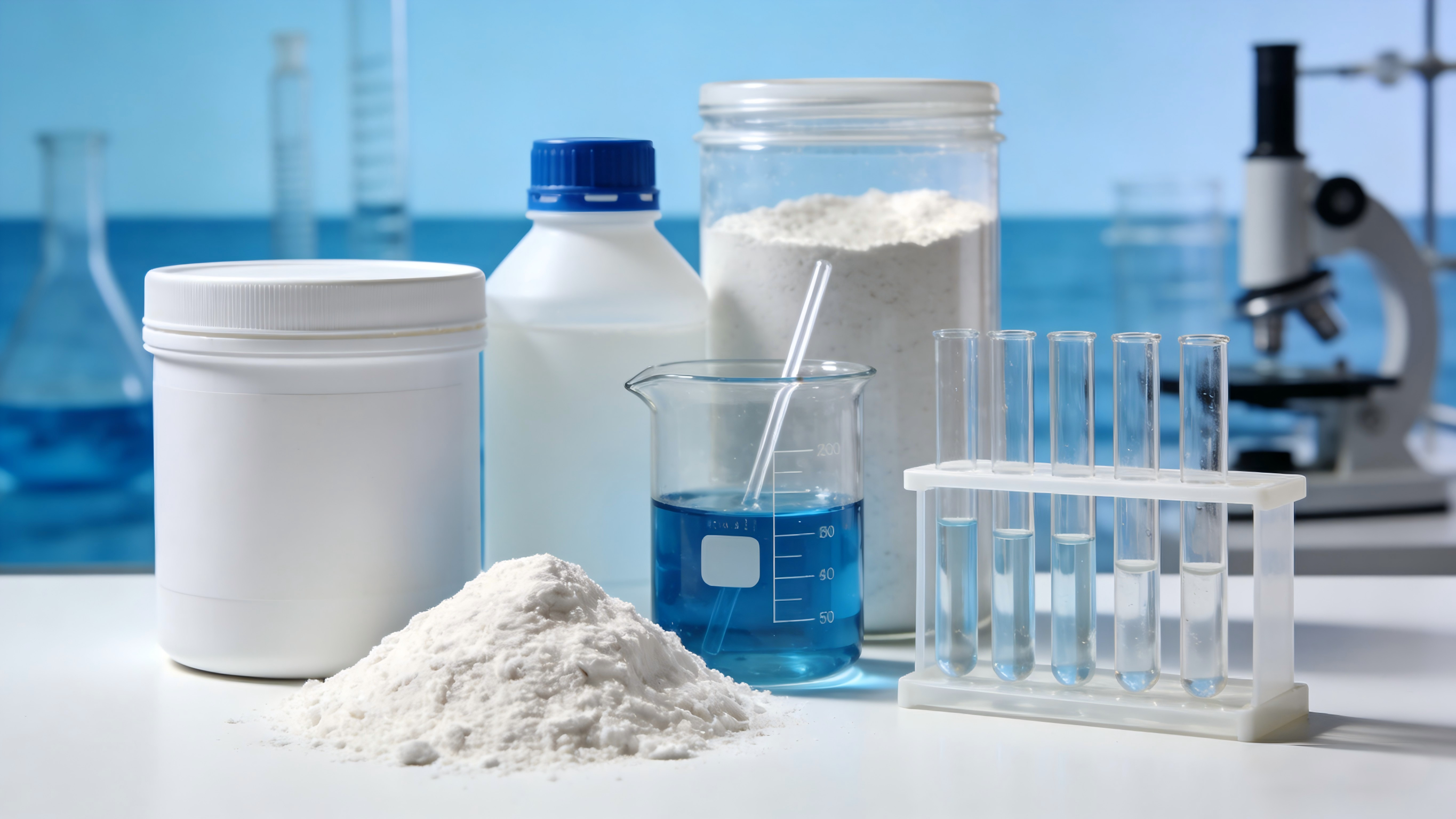
TCCA for Water Parks: Clear Bulk
Introduction
Water parks represent one of the most demanding environments for water treatment solutions. With thousands of visitors daily, complex water features, and stringent safety regulations, facility operators require disinfection products that deliver consistent performance, reliability, and cost-effectiveness. Trichloroisocyanuric Acid (TCCA) has emerged as the industry-standard solution for commercial aquatic facilities, particularly in clear bulk formulations designed for large-scale applications.
This comprehensive guide explores how TCCA clear bulk products address the unique challenges of water park operations while providing superior disinfection performance, operational efficiency, and regulatory compliance for B2B customers in the aquatic recreation industry.
Understanding TCCA: The Science Behind Effective Water Disinfection
Chemical Properties and Mechanism
Trichloroisocyanuric Acid (TCCA), with the molecular formula C₃Cl₃N₃O₃ and CAS number 87-90-1, is a powerful oxidizing and chlorinating agent. This organic compound contains approximately 90-99% available chlorine, making it one of the most concentrated chlorine sources available for commercial water treatment applications.
When TCCA dissolves in water, it undergoes hydrolysis to release hypochlorous acid (HOCl), the active disinfecting species. Unlike traditional chlorine sources, TCCA provides a slow-release mechanism that maintains consistent chlorine levels over extended periods. This controlled release profile is particularly valuable for water parks where continuous disinfection is critical throughout operating hours.
Advantages Over Traditional Chlorine Sources
Water park operators traditionally relied on liquid chlorine, calcium hypochlorite, or sodium hypochlorite for disinfection. However, TCCA clear bulk formulations offer several distinct advantages:
Stability: TCCA maintains its potency during storage, with minimal degradation under proper conditions. This reduces product waste and ensures consistent performance batch after batch.
Safety Profile: The solid form eliminates risks associated with liquid chlorine handling, including spills, leaks, and hazardous vapor exposure. Clear bulk packaging further enhances safety by providing visible product quality verification.
pH Neutrality: TCCA solutions maintain near-neutral pH levels, reducing the need for additional pH adjustment chemicals and minimizing corrosion risks to water park infrastructure.
Cyanuric Acid Buffer: As TCCA dissolves, it releases cyanuric acid, which acts as a chlorine stabilizer, protecting active chlorine from UV degradation in outdoor water features.
Clear Bulk TCCA: Why Water Parks Choose This Format
Operational Efficiency for Large-Scale Facilities
Clear bulk TCCA formulations are specifically designed for commercial and industrial applications. The bulk packaging format offers significant advantages for water park operations:
Cost Efficiency: Bulk purchasing reduces per-unit costs substantially compared to retail-sized containers. For facilities treating millions of gallons daily, these savings accumulate rapidly.
Reduced Handling Frequency: Larger package sizes mean fewer deliveries and less staff time dedicated to chemical management. This allows operators to focus on guest experience and safety protocols.
Inventory Management: Clear packaging enables visual quality inspection upon receipt and during storage, ensuring product integrity before use.
Quality Indicators in Clear Bulk Products
The “clear” designation in bulk TCCA refers to both packaging transparency and product purity. High-quality clear bulk TCCA should exhibit:
- Uniform white crystalline appearance
- Consistent granule or tablet size
- No visible contamination or discoloration
- Proper sealing to prevent moisture absorption
These visual indicators help facility managers verify product quality without laboratory testing, streamlining receiving protocols.
Implementation Strategies for Water Park Applications
Dosage Calculations and Monitoring
Proper TCCA dosing is critical for effective disinfection while maintaining regulatory compliance. General guidelines for water park applications include:
Initial Shock Treatment: 2-5 ppm available chlorine for new water or after heavy contamination events
Maintenance Dosing: 1-3 ppm residual chlorine during normal operations
High-Traffic Periods: Increased dosing may be required during peak visitor times to maintain adequate disinfection levels
Facility operators should implement continuous monitoring systems to track chlorine residuals, pH levels, and cyanuric acid concentrations. Automated dosing equipment paired with clear bulk TCCA provides the most consistent results for large water parks.
Integration with Existing Water Treatment Systems
TCCA clear bulk products integrate seamlessly with various water treatment configurations:
Filtration Systems: Compatible with sand, cartridge, and DE filters without causing clogging or reduced flow rates
Automated Controllers: Works with standard ORP and chlorine controllers for precise dosing control
Secondary Disinfection: Can be used alongside UV, ozone, or other secondary treatment methods for enhanced pathogen control
Safety and Storage Protocols
Proper handling and storage of TCCA clear bulk products ensures maximum safety and product longevity:
Storage Conditions: Keep in cool, dry, well-ventilated areas away from direct sunlight and moisture
Segregation: Store separately from ammonia, urea, organic materials, and reducing agents to prevent hazardous reactions
Personal Protective Equipment: Staff should wear appropriate PPE including gloves, eye protection, and respiratory protection when handling bulk quantities
Emergency Procedures: Establish clear protocols for spills, exposure incidents, and fire situations involving TCCA materials
Regulatory Compliance and Environmental Considerations
Meeting Health and Safety Standards
Water parks must comply with local, state, and federal regulations governing public swimming facilities. TCCA clear bulk products support compliance with:
- CDC Model Aquatic Health Code (MAHC) guidelines
- State health department requirements
- OSHA workplace safety standards
- EPA regulations for chemical handling and discharge
Documentation from reputable TCCA suppliers should include certificates of analysis, safety data sheets, and regulatory compliance statements to support audit requirements.
Environmental Responsibility
Modern water park operators increasingly prioritize environmental sustainability. TCCA offers several environmental advantages:
Reduced Chemical Transport: Concentrated bulk products minimize transportation frequency and associated carbon emissions
Minimal Byproducts: Properly dosed TCCA produces fewer disinfection byproducts compared to some alternative chlorine sources
Biodegradability: Breakdown products are environmentally benign when used according to manufacturer guidelines
Frequently Asked Questions (FAQ)
Q1: What is the shelf life of TCCA clear bulk products?
A: When stored properly in cool, dry conditions away from moisture and direct sunlight, TCCA clear bulk products maintain their potency for 2-3 years from manufacture date. Always check the certificate of analysis for specific batch information.
Q2: How does TCCA compare to liquid chlorine for water park applications?
A: TCCA offers superior stability, safer handling, and longer-lasting chlorine residuals compared to liquid chlorine. While initial costs may be higher, the reduced frequency of dosing and lower product degradation typically result in lower total operating costs.
Q3: Can TCCA be used in all types of water park features?
A: TCCA is suitable for most water park applications including pools, lazy rivers, wave pools, and splash pads. However, specific features with unique water chemistry requirements may need customized treatment protocols. Consult with your water treatment specialist for feature-specific recommendations.
Q4: What certifications should I look for when purchasing TCCA clear bulk?
A: Reputable suppliers should provide NSF/ANSI 60 certification for drinking water applications, EPA registration numbers, and compliance with relevant industry standards such as HG/T 3779-2005. Request complete documentation before purchase.
Q5: How do I calculate the correct TCCA dosage for my water park?
A: Dosage depends on water volume, bather load, temperature, and existing water chemistry. A water treatment professional can perform a comprehensive assessment and provide customized dosing protocols. Generally, maintain 1-3 ppm free chlorine residual during operations.
Q6: Is TCCA safe for visitors with sensitive skin?
A: When properly dosed and balanced, TCCA-treated water is gentle on skin and eyes. The cyanuric acid buffer helps maintain stable chlorine levels, reducing irritation risks associated with chlorine fluctuations. Regular water testing ensures optimal conditions.
Q7: What should I do if TCCA becomes contaminated with moisture?
A: Moisture exposure can cause TCCA to degrade and potentially release chlorine gas. Isolate affected product immediately, ensure adequate ventilation, and contact your supplier for disposal guidance. Never use compromised product in water treatment applications.
Choosing the right disinfection solution is fundamental to water park success. TCCA clear bulk products deliver the performance, reliability, and value that commercial aquatic facilities demand. For detailed product specifications, pricing, and customized water treatment solutions, visit our contact page to connect with our technical team.
