
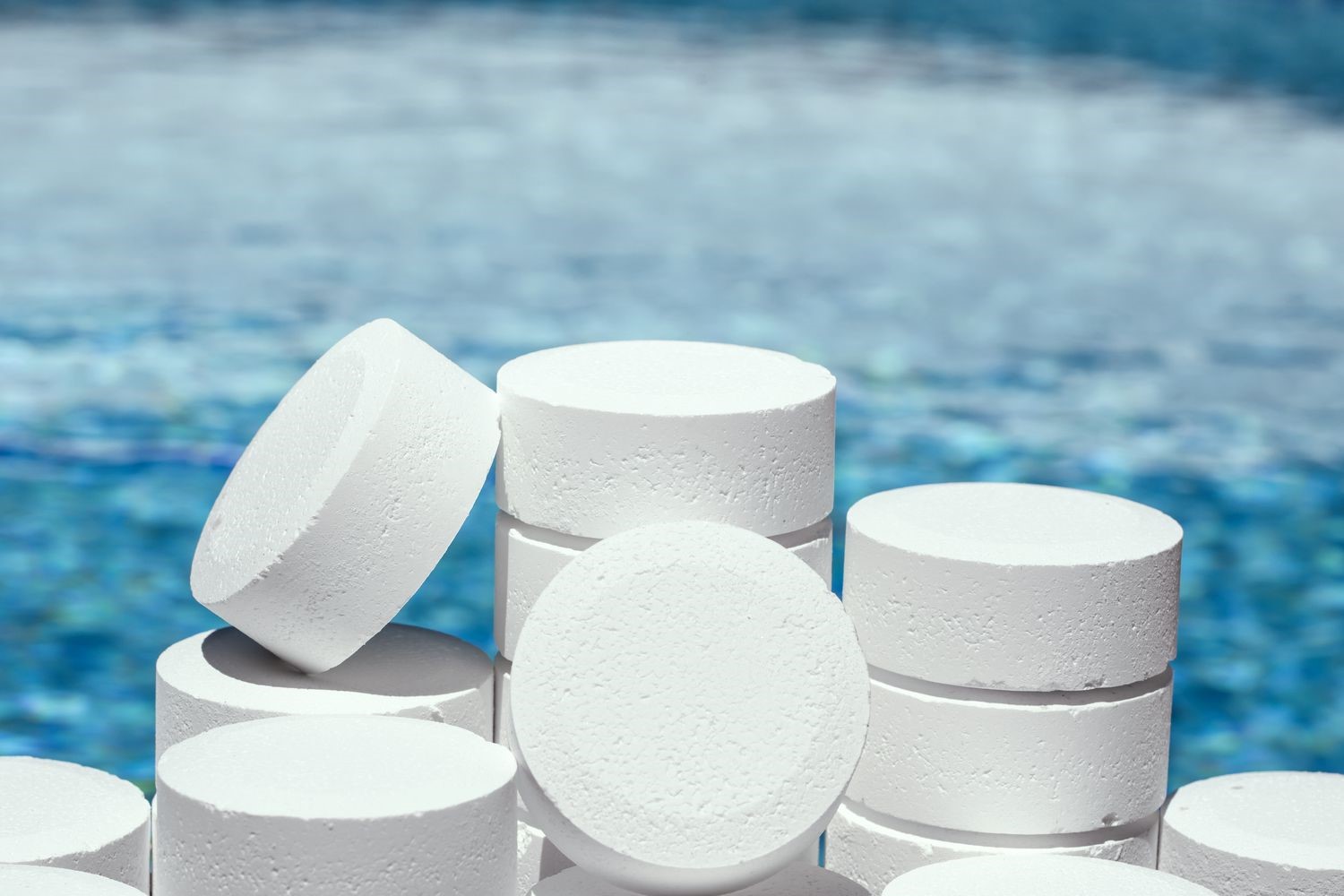
Bulk SDIC for Chemical Factories: Disinfectants Industrial
Introduction
In today’s rapidly evolving chemical manufacturing landscape, selecting the right disinfectant solution is critical for maintaining operational efficiency, product quality, and regulatory compliance. Sodium Dichloroisocyanurate (SDIC) has emerged as a cornerstone compound for industrial disinfection applications worldwide. This comprehensive guide explores why bulk SDIC represents the optimal choice for chemical factories seeking reliable, cost-effective, and high-performance disinfectant solutions.
Chemical manufacturers face increasing pressure to balance production demands with stringent safety and environmental standards. SDIC offers a compelling solution that addresses these challenges while delivering exceptional value for large-scale industrial operations.
Understanding SDIC: Chemical Properties and Advantages
Molecular Structure and Composition
Sodium Dichloroisocyanurate, with the chemical formula C₃Cl₂N₃NaO₃ and CAS number 2893-78-9, is an organic chlorine-based compound. This white crystalline powder or granular substance contains 56-60% available chlorine, making it one of the most potent disinfectants available for industrial applications.
The molecular structure of SDIC enables slow, controlled release of chlorine when dissolved in water. This characteristic ensures prolonged disinfection activity while minimizing the frequency of reapplication—a crucial factor for continuous industrial processes.
Key Performance Benefits
Superior Stability: Unlike traditional chlorine compounds, SDIC maintains its potency during extended storage periods. This stability reduces waste and ensures consistent performance across production batches.
Broad-Spectrum Efficacy: SDIC demonstrates exceptional effectiveness against bacteria, viruses, fungi, and algae. This comprehensive antimicrobial action makes it ideal for diverse industrial applications ranging from water treatment to surface disinfection.
Water Solubility: The compound dissolves readily in water, facilitating easy integration into existing industrial systems without requiring specialized equipment or complex preparation procedures.
Industrial Applications of Bulk SDIC
Water Treatment Systems
Chemical factories rely heavily on water treatment processes for cooling systems, boiler operations, and wastewater management. Bulk SDIC serves as an effective biocide that prevents microbial growth while maintaining system efficiency. The controlled chlorine release mechanism ensures consistent protection against biofilm formation and corrosion-related issues.
Manufacturing Process Disinfection
Production lines require regular disinfection to prevent cross-contamination and maintain product purity. SDIC-based solutions provide thorough sanitization of equipment, surfaces, and processing areas without leaving harmful residues that could compromise product quality.
Cooling Tower Maintenance
Cooling towers represent critical infrastructure in chemical manufacturing facilities. SDIC effectively controls algae, bacteria, and fungal growth that can reduce heat transfer efficiency and increase energy consumption. Regular treatment with bulk SDIC extends equipment lifespan and reduces maintenance costs.
Wastewater Treatment
Environmental compliance demands effective wastewater treatment before discharge. SDIC’s powerful oxidizing properties break down organic contaminants and eliminate pathogenic microorganisms, helping facilities meet regulatory discharge standards consistently.
Procurement Considerations for Chemical Factories
Quality Standards and Certification
When sourcing bulk SDIC, chemical factories must verify supplier credentials and product certifications. Reputable manufacturers provide documentation confirming compliance with international quality standards including ISO 9001 and ISO 14001. Certificate of Analysis (CoA) should accompany each shipment, detailing chlorine content, moisture levels, and impurity specifications.
Packaging and Storage Requirements
Bulk SDIC typically arrives in 25kg bags, 50kg drums, or customized packaging based on order volume. Proper storage requires cool, dry conditions away from direct sunlight and incompatible materials. The compound should remain sealed until use to prevent moisture absorption that could reduce effectiveness.
Supply Chain Reliability
Consistent supply chain performance minimizes production disruptions. Established suppliers maintain adequate inventory levels and offer flexible delivery schedules to accommodate varying production demands. Long-term supply agreements often provide price stability and priority allocation during high-demand periods.
Cost-Benefit Analysis for Bulk Purchasing
Economies of Scale
Purchasing SDIC in bulk quantities delivers significant cost advantages compared to smaller orders. Volume-based pricing structures reduce per-unit costs while minimizing ordering frequency and associated administrative expenses.
Operational Efficiency Gains
The extended shelf life and consistent performance of quality SDIC reduce product waste and reapplication requirements. These efficiency gains translate into measurable cost savings over time, improving overall operational budgets.
Risk Mitigation Value
Reliable disinfection protocols protect against costly contamination incidents, production shutdowns, and regulatory penalties. The investment in premium bulk SDIC provides insurance value that far exceeds the initial procurement cost.
Safety and Environmental Considerations
Handling Protocols
While SDIC offers excellent safety profiles when properly handled, chemical factories must implement appropriate safety measures. Personal protective equipment including gloves, goggles, and respiratory protection should be worn during handling operations. Adequate ventilation prevents accumulation of chlorine vapors in confined spaces.
Environmental Impact
SDIC breaks down into environmentally benign compounds after use, minimizing ecological impact. However, facilities must follow proper disposal procedures and avoid releasing untreated solutions into natural water bodies. Compliance with local environmental regulations remains essential.
Emergency Response Preparedness
Facilities should maintain updated Safety Data Sheets (SDS) and train personnel on emergency response procedures. Spill containment materials and neutralizing agents should be readily accessible in storage and usage areas.
Future Trends in Industrial Disinfection
Sustainability Initiatives
The chemical industry continues shifting toward more sustainable disinfection solutions. SDIC’s favorable environmental profile positions it well for continued adoption as companies prioritize green chemistry initiatives and carbon footprint reduction.
Technological Integration
Advanced monitoring systems now enable real-time tracking of disinfectant concentrations and effectiveness. Integration with automated dosing equipment optimizes SDIC usage while maintaining consistent protection levels throughout industrial systems.
Regulatory Evolution
Anticipated regulatory changes will likely emphasize documented disinfection protocols and verified efficacy testing. Facilities using certified bulk SDIC from reputable suppliers will find compliance more straightforward as standards become more stringent.
Conclusion
Bulk SDIC represents a strategic investment for chemical factories seeking reliable, efficient, and cost-effective disinfection solutions. The compound’s proven performance across diverse industrial applications, combined with favorable economics and environmental characteristics, makes it an essential component of modern chemical manufacturing operations.
Partnering with experienced suppliers ensures consistent quality, reliable delivery, and technical support that maximizes the value of bulk SDIC purchases. As industrial disinfection requirements continue evolving, SDIC remains positioned as a cornerstone solution for forward-thinking chemical manufacturers.
Frequently Asked Questions
Q1: What is the typical shelf life of bulk SDIC?
A: Properly stored SDIC maintains effectiveness for 24-36 months. Storage in cool, dry conditions away from moisture and direct sunlight preserves chlorine content and performance characteristics.
Q2: How does SDIC compare to calcium hypochlorite for industrial applications?
A: SDIC offers superior stability, higher available chlorine content, and slower release rates compared to calcium hypochlorite. This translates to longer-lasting disinfection and reduced application frequency.
Q3: What minimum order quantities do suppliers typically require?
A: Most bulk suppliers accept orders starting from 1-5 metric tons, with significant price advantages available for container-load quantities (20+ tons). Custom arrangements exist for long-term contracts.
Q4: Can SDIC be used in food processing facilities?
A: Yes, food-grade SDIC variants are available for applications requiring regulatory approval. Always verify certification documentation and follow applicable food safety guidelines.
Q5: What documentation should accompany bulk SDIC shipments?
A: Reputable suppliers provide Certificate of Analysis, Safety Data Sheet, quality certification documents, and batch traceability information with each shipment.
Ready to optimize your industrial disinfection strategy with premium bulk SDIC? Visit our contact page to discuss your specific requirements and receive customized pricing solutions tailored to your facility’s needs. https://envochemical.com/contact-us/
