
Bulk TCCA for Pharma Factories: Solutions Water
Introduction
In the pharmaceutical manufacturing industry, water quality is not merely a operational concern—it is a critical compliance requirement that directly impacts product safety, regulatory approval, and patient health. Pharmaceutical facilities demand water treatment solutions that deliver consistent disinfection performance while meeting stringent international standards. Bulk Trichloroisocyanuric Acid (TCCA) has emerged as a preferred choice for pharma factories seeking reliable, cost-effective, and efficient water disinfection solutions.
This comprehensive guide explores how bulk TCCA serves pharmaceutical manufacturing facilities, addressing common water treatment challenges while ensuring compliance with Good Manufacturing Practice (GMP) requirements. Whether you manage a large-scale production facility or a specialized pharmaceutical plant, understanding TCCA applications can transform your water treatment strategy.
Understanding TCCA: The Science Behind Effective Water Disinfection
What is Trichloroisocyanuric Acid?
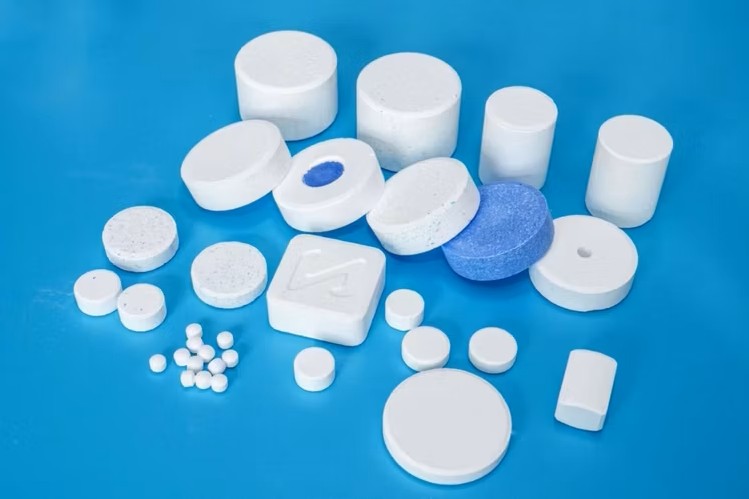
Trichloroisocyanuric Acid (TCCA), with CAS number 87-90-1 and molecular formula C₃N₃O₃Cl₃, is a powerful organic chlorine compound widely recognized for its exceptional disinfection properties. This white crystalline powder or granular solid contains over 90% available chlorine, making it one of the most concentrated chlorine sources available for industrial water treatment applications.
Key Performance Characteristics
TCCA distinguishes itself through several critical performance attributes that make it particularly suitable for pharmaceutical water systems:
High-Efficiency Sterilization: TCCA effectively eliminates bacteria, viruses, fungi, algae, and spores, providing broad-spectrum antimicrobial action essential for pharma factory environments.
Stability and Storage: In solid form, TCCA maintains exceptional stability during storage and transportation, reducing degradation risks compared to liquid chlorine alternatives.
Controlled Release Mechanism: The compound releases chlorine gradually in water, ensuring sustained disinfection over extended periods without frequent reapplication.
Safety Profile: When handled according to established protocols, TCCA presents manageable safety characteristics with decomposition products that are environmentally responsible.
Pharmaceutical Water Treatment Challenges and TCCA Solutions
Meeting GMP Water Quality Standards
Pharmaceutical manufacturing facilities must adhere to rigorous water quality specifications defined by pharmacopeias including USP, EP, and JP. Bulk TCCA provides a reliable solution for maintaining purified water and water-for-injection systems within acceptable microbial limits.
Pre-Treatment Applications: TCCA serves effectively in raw water pre-treatment stages, reducing microbial load before water enters purification systems such as reverse osmosis or distillation units.
Cooling Tower Management: Pharmaceutical facilities utilize extensive cooling systems that require consistent disinfection to prevent Legionella and other pathogenic bacteria proliferation. TCCA’s sustained release properties make it ideal for cooling tower water treatment programs.
Facility Sanitization: Beyond process water, TCCA supports general facility hygiene through floor cleaning, equipment sanitization, and environmental control applications.
Cost-Effectiveness for Large-Scale Operations
Pharmaceutical factories operating at industrial scale require water treatment solutions that balance performance with economic efficiency. Bulk TCCA purchasing offers significant advantages:
- Reduced per-unit costs compared to smaller packaging options
- Minimized handling frequency through larger batch sizes
- Lower transportation costs per kilogram of active ingredient
- Simplified inventory management with standardized bulk containers
Implementation Best Practices for Pharma Facilities
Dosage Determination and Monitoring
Successful TCCA implementation requires precise dosage calculation based on water volume, contamination levels, and specific application requirements. Pharmaceutical quality assurance teams should establish monitoring protocols including:
- Regular residual chlorine testing
- Microbial count verification
- pH level maintenance
- Documentation for regulatory audits
Safety and Handling Protocols
While TCCA offers excellent safety characteristics when properly managed, pharmaceutical facilities must implement comprehensive handling procedures:
Storage Requirements: Maintain TCCA in cool, dry, well-ventilated areas away from incompatible materials including ammonia, amines, and reducing agents.
Personal Protective Equipment: Operators should utilize appropriate PPE including chemical-resistant gloves, eye protection, and respiratory protection during handling operations.
Emergency Procedures: Establish clear protocols for spill management, exposure response, and emergency containment to protect personnel and facilities.
Regulatory Compliance Documentation
Pharmaceutical manufacturers must maintain comprehensive documentation demonstrating water treatment compliance. Bulk TCCA suppliers should provide:
- Certificate of Analysis for each batch
- Safety Data Sheets compliant with GHS standards
- Quality management system certifications
- Traceability documentation for audit purposes
Choosing the Right Bulk TCCA Supplier
Selecting an appropriate bulk TCCA supplier represents a critical decision for pharmaceutical facilities. Consider the following evaluation criteria:
Quality Assurance Capabilities
Verify that potential suppliers maintain robust quality control systems with regular testing for available chlorine content, moisture levels, heavy metals, and other critical parameters. ISO 9001 certification indicates commitment to consistent quality management.
Supply Chain Reliability
Pharmaceutical production cannot tolerate water treatment disruptions. Evaluate supplier capacity, inventory levels, delivery capabilities, and contingency planning to ensure uninterrupted supply.
Technical Support Services
Leading suppliers provide technical assistance including application guidance, troubleshooting support, and regulatory compliance consultation. This expertise proves invaluable during implementation and ongoing operations.
Sustainability Considerations
Modern pharmaceutical companies increasingly prioritize environmental responsibility. Assess supplier sustainability practices including manufacturing processes, packaging materials, and environmental management systems.
Conclusion
Bulk TCCA represents a proven, efficient, and cost-effective solution for pharmaceutical factory water treatment needs. Its exceptional disinfection performance, stability characteristics, and economic advantages make it an ideal choice for facilities seeking to maintain rigorous water quality standards while optimizing operational costs.
By partnering with qualified suppliers and implementing proper handling protocols, pharmaceutical manufacturers can leverage bulk TCCA to enhance water treatment programs, ensure regulatory compliance, and protect product quality. The investment in understanding and properly utilizing bulk TCCA delivers measurable returns through improved water quality, reduced operational costs, and enhanced facility safety.
Frequently Asked Questions (FAQ)
Q1: What is the typical shelf life of bulk TCCA?
A: When stored properly in cool, dry conditions away from moisture and incompatible materials, bulk TCCA maintains stability for 24-36 months. Regular quality testing ensures product integrity throughout storage periods.
Q2: How does TCCA compare to sodium hypochlorite for pharma applications?
A: TCCA offers higher available chlorine content (90%+ vs. 10-15%), better stability during storage, easier transportation, and more controlled release characteristics. However, sodium hypochlorite may be preferred for certain immediate-dosing applications.
Q3: What packaging options are available for bulk TCCA?
A: Bulk TCCA typically comes in 25kg drums, 50kg plastic containers, or 1000kg bulk bags. Custom packaging solutions can be arranged based on facility requirements and handling capabilities.
Q4: Can TCCA be used in water-for-injection systems?
A: TCCA is primarily used in pre-treatment stages and auxiliary water systems. Water-for-injection typically requires additional purification steps including distillation or ultrafiltration after initial disinfection.
Q5: What certifications should I look for in a TCCA supplier?
A: Seek suppliers with ISO 9001 quality management certification, REACH compliance, and ability to provide comprehensive documentation including Certificates of Analysis and Safety Data Sheets meeting pharmaceutical industry standards.
Q6: How do I determine the correct TCCA dosage for my facility?
A: Dosage depends on water volume, contamination levels, and specific application. Consult with technical experts who can assess your system requirements and provide customized dosing recommendations based on water testing results.
Ready to optimize your pharmaceutical water treatment program with bulk TCCA solutions? Contact us today to discuss your specific requirements and receive a customized quotation.
