
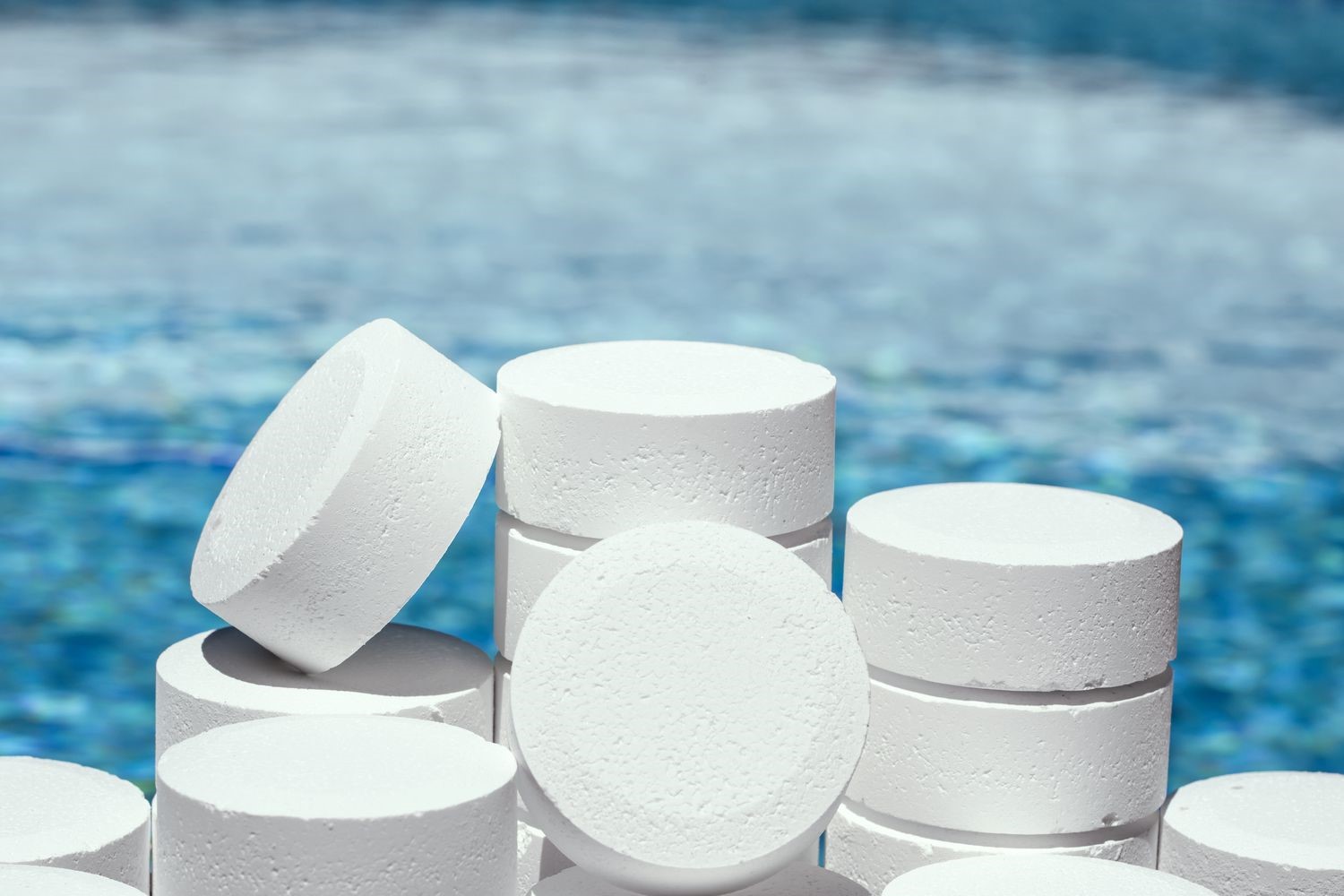
Calcium Hypochlorite for Labs: Purification Research and Quality Standards
In the intricate world of laboratory research, the margin for error is non-existent. Whether you are conducting water quality analysis, developing new disinfection protocols, or synthesizing organic compounds, the reagents you choose form the backbone of your data integrity. Among the myriad of chemicals utilized in modern facilities, Calcium Hypochlorite stands out as a cornerstone oxidizing agent. However, not all grades are created equal. When we talk about Calcium Hypochlorite for labs, we are discussing a specific tier of purity that separates successful experiments from inconclusive noise.
As someone who has spent over fifteen years navigating the supply chain of water treatment chemicals, I have seen firsthand how subpar materials can derail months of research. This article dives deep into the nuances of sourcing, specifying, and utilizing high-purity Calcium Hypochlorite in a laboratory environment. My goal is to equip procurement managers, lab directors, and research scientists with the knowledge needed to make informed decisions that protect both their budgets and their scientific outcomes.
The Critical Importance of Reagent Grade Purity
When industrial-grade Calcium Hypochlorite is used in municipal water treatment, slight variations in insoluble matter or moisture content might be negligible. In a laboratory setting, those same variations are catastrophic. Imagine running a controlled study on bacterial load reduction, only to find that the inconsistent available chlorine content in your reagent is skewing the kill rates. Suddenly, your data suggests a trend that doesn’t exist.
For laboratory purification research, consistency is king. High-purity Calcium Hypochlorite ensures that the active chlorine concentration remains stable across different batches. This stability is crucial for calibration standards and comparative studies. We often see clients struggle with reagents that degrade quickly upon exposure to air due to poor packaging or high initial moisture content. A quality lab-grade product minimizes these risks, ensuring that the chemical performance today matches the performance next month.
Understanding Key Specifications for Laboratory Use
Navigating the technical data sheets of chemical suppliers can be daunting. To simplify the process, there are three critical metrics you must scrutinize when purchasing Calcium Hypochlorite for research purposes.
Available Chlorine Content
This is the measure of the oxidizing power of the chemical. For lab applications, you typically want a concentration of 70% or higher. Lower grades often contain excessive fillers like calcium chloride or calcium carbonate, which can introduce unwanted ions into your solutions. These impurities can interfere with titration results or precipitate out during sensitive reactions.
Insoluble Matter
In industrial pools, some insolubility is acceptable. In the lab, clarity matters. High levels of insoluble matter can clog fine filtration systems used in analytical instruments or create turbidity that interferes with spectrophotometric readings. Premium lab-grade Cal Hypo should dissolve cleanly, leaving minimal residue.
Moisture Stability
Calcium Hypochlorite is hygroscopic, meaning it absorbs moisture from the air. Excess moisture accelerates decomposition, releasing chlorine gas and reducing potency. For research labs that do not use large volumes quickly, packaging technology is just as important as the chemical itself. Look for suppliers who utilize moisture-barrier packaging to maintain integrity during storage.
Applications in Research and Development
The versatility of Calcium Hypochlorite extends beyond simple disinfection. In R&D departments, it serves multiple critical functions.
Water Analysis and Calibration
One of the most common uses is in the preparation of standard solutions for water quality testing. Laboratories tasked with validating municipal water safety rely on precise chlorine standards. If the source material fluctuates in purity, the entire chain of custody for water safety data is compromised.
Oxidation Studies
Organic synthesis researchers often utilize Cal Hypo as a selective oxidizing agent. Its ability to convert alcohols to aldehydes or ketones under specific conditions makes it a valuable tool. However, side reactions caused by impurities can lower yield rates. Using a purified form reduces the need for extensive post-reaction cleanup, saving time and resources.
Disinfection Efficacy Testing
With the global focus on pathogen control, many labs are dedicated to testing new sanitization methods. Calcium Hypochlorite serves as the benchmark control in many of these studies. To prove a new technology is effective, you must compare it against a known, stable standard. Inconsistent reagent quality makes regulatory approval nearly impossible to achieve.
Sourcing Challenges for B2B Buyers
Procuring chemicals for a laboratory is fundamentally different from buying for industrial processing. B2B buyers often face challenges regarding minimum order quantities, lead times, and documentation.
Consistency Across Batches
The biggest pain point I hear from lab managers is batch variability. You validate a process with Batch A, only to find Batch B behaves differently. Establishing a relationship with a supplier who guarantees specification tightness is essential. This often means moving away from commodity traders and working directly with manufacturers who control the production process.
Regulatory Documentation
In 2026, regulatory scrutiny is tighter than ever. Your supplier must provide comprehensive Safety Data Sheets (SDS), Certificates of Analysis (CoA), and potentially REACH or TSCA compliance documentation depending on your location. Missing paperwork can delay shipments at customs, halting critical research projects. Always verify that the supplier understands the compliance landscape for water treatment chemicals in your region.
Packaging Solutions
Laboratories rarely consume chemicals in bulk drums. They require smaller, manageable packaging that maintains seal integrity after opening. High-density polyethylene containers with inner liners are the industry standard for preserving the life of Calcium Hypochlorite once the seal is broken.
Storage and Handling Best Practices
Even the highest quality chemical can degrade if mishandled. Proper storage is a non-negotiable aspect of laboratory safety and budget management.
- Temperature Control: Store containers in a cool, dry area. Temperatures should ideally remain below 25°C. Heat accelerates decomposition.
- Segregation: Never store Calcium Hypochlorite near acids, organic materials, or reducing agents. The risk of fire or toxic gas release is significant.
- Inventory Rotation: Practice FIFO (First-In, First-Out). Even with stable products, using older stock first ensures you are always working with the freshest reagent possible.
Conclusion
In the high-stakes environment of laboratory research, the quality of your inputs dictates the reliability of your outputs. Calcium Hypochlorite for labs is not just a commodity; it is a critical variable in your experimental design. By prioritizing purity, understanding key specifications, and partnering with suppliers who value consistency, you safeguard your research integrity.
Don’t let inconsistent chemicals be the variable you didn’t account for. Invest in quality, demand transparency, and ensure your procurement strategy aligns with the rigorous standards of modern science. When you eliminate uncertainty in your materials, you free your team to focus on what truly matters: discovery.
Frequently Asked Questions (FAQ)
Q1: What is the shelf life of laboratory-grade Calcium Hypochlorite?
A: When stored in optimal conditions (cool, dry, sealed), high-purity Calcium Hypochlorite can maintain its specified strength for 12 to 24 months. However, once opened, it should be used within a few months to ensure maximum potency.
Q2: Can I use pool-grade Calcium Hypochlorite for laboratory experiments?
A: It is strongly discouraged. Pool-grade products contain significant impurities, fillers, and sometimes stabilizers that interfere with analytical results. Always source reagent-grade or high-purity technical-grade material for research.
Q3: How should I dispose of waste Calcium Hypochlorite solutions?
A: Disposal regulations vary by location. Generally, solutions must be neutralized and reduced before disposal into the sanitary sewer, following local environmental guidelines. Never mix with acidic waste streams.
Q4: Do you provide Certificates of Analysis with every shipment?
A: Reputable suppliers should provide a batch-specific CoA upon request. This document verifies the available chlorine content and impurity levels for the specific lot you received.
Q5: Is Calcium Hypochlorite safe for use in food processing research?
A: Yes, provided you source a grade that is certified for food contact applications. Ensure the supplier can provide documentation regarding heavy metal limits and food safety compliance.
Author: Dr. Elias Thorne
