
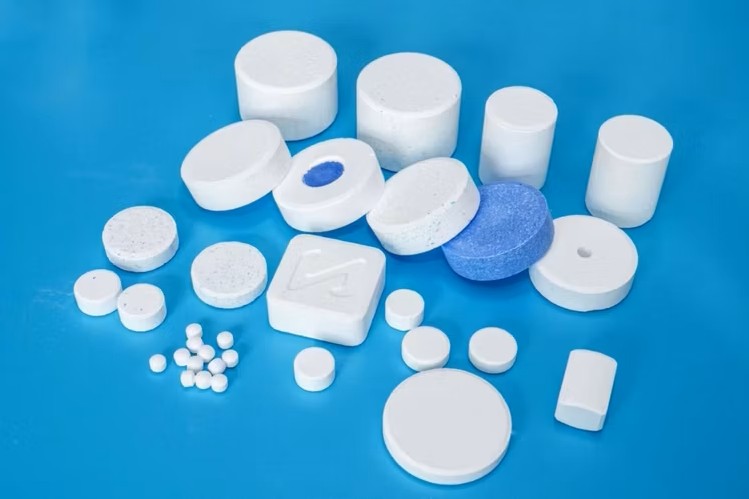
Wholesale SDIC for Municipal Plants: Bulk Reliable
Introduction
Municipal water treatment facilities face unprecedented challenges in 2026. With increasingly stringent regulatory requirements and growing public health concerns, plant operators demand disinfection solutions that deliver consistent performance, cost efficiency, and regulatory compliance. Sodium Dichloroisocyanurate (SDIC), also known as NaDCC, has emerged as the preferred choice for municipal water treatment operations worldwide.
This comprehensive technical guide explores why wholesale SDIC represents the optimal solution for municipal plants seeking bulk, reliable disinfection chemicals. We examine technical specifications, performance data, industry standards, and practical implementation considerations that matter to procurement professionals and plant engineers.
Understanding SDIC: Chemical Properties and Mechanism
Molecular Structure and Composition
Sodium Dichloroisocyanurate is an organic chlorinating agent with the chemical formula C₃Cl₂N₃NaO₃. The compound exists in two primary forms:
| Property | Anhydrous Form | Dihydrate Form |
|---|---|---|
| CAS Number | 2893-78-9 | 51580-86-0 |
| Molecular Weight | 219.95 g/mol | 255.98 g/mol |
| Available Chlorine | 56-60% | 54.5-57% |
| Physical Form | White crystalline powder/granules | White crystalline powder/granules |
| Solubility | Highly water-soluble | Highly water-soluble |
Disinfection Mechanism
SDIC functions as a hypochlorous acid (HOCl) releasing compound. Upon dissolution in water, it hydrolyzes to release free available chlorine (FAC), which acts as a powerful oxidizing agent against microorganisms. The controlled release mechanism provides several advantages over traditional sodium hypochlorite:
- Sustained chlorine residual: Maintains effective disinfection throughout distribution systems
- pH stability: Optimal performance across pH 5.5-7.0 range
- Reduced decomposition: Minimal chlorine loss during storage and transport
- Lower DBP formation: Reduced trihalomethane (THM) precursors compared to liquid chlorine
Technical Specifications for Municipal Applications
Key Performance Parameters
Municipal water treatment plants require SDIC products meeting specific technical criteria. The following parameters represent industry-standard specifications for bulk procurement:
Active Chlorine Content
- Minimum: 56% (anhydrous grade)
- Optimal range: 58-60% for municipal applications
- Testing method: Iodometric titration per ASTM D1253
Moisture Content
- Maximum: 15% (dihydrate form)
- Maximum: 3% (anhydrous form)
- Critical for storage stability and dosing accuracy
pH Value (1% Solution)
- Range: 5.5-7.0
- Ensures compatibility with existing treatment processes
- Minimizes corrosion risk in distribution infrastructure
Particle Size Distribution
- Standard grades: 8-30 mesh, 16-36 mesh
- Tablet forms: 1.5g, 3g, 10g, 20g options
- Custom sizing available for automated dosing systems
Solubility Rate
- Complete dissolution: <5 minutes at 25°C
- Essential for rapid response to contamination events
- Compatible with continuous feed systems
Stability and Shelf Life
One of SDIC’s most compelling advantages for municipal operations is exceptional storage stability:
- 12-month storage: Less than 1% available chlorine loss under proper conditions
- Temperature tolerance: Stable from -20°C to 50°C
- Humidity resistance: Sealed packaging maintains integrity at 80% RH
- UV stability: Minimal degradation under normal warehouse lighting
These characteristics significantly reduce inventory management costs and eliminate the frequent replacement cycles required with liquid chlorine solutions.
Compliance with International Standards
WHO Guidelines and Recommendations
The World Health Organization (WHO) has approved Sodium Dichloroisocyanurate for drinking water treatment applications. Key WHO guidance points include:
- Recommended for emergency and routine water disinfection
- Effective against bacteria, viruses, and protozoan cysts
- Safe residual levels: 0.2-0.5 mg/L free chlorine at point of delivery
- Established safety profile for long-term consumption
Regional Regulatory Frameworks
United States
- EPA registered disinfectant
- Compliant with Safe Drinking Water Act requirements
- Meets NSF/ANSI Standard 60 for drinking water treatment chemicals
European Union
- BS EN 15072:2013 standard for swimming pool and water treatment
- REACH compliant manufacturing processes
- Biocidal Products Regulation (BPR) approved active substance
China
- GB5749-2025 Drinking Water Quality Standards (effective April 2025)
- Permitted residual chlorine levels: 0.05-4.0 mg/L
- Mandatory testing for trihalomethanes and haloacetic acids
International
- ISO 9001:2015 certified manufacturing facilities
- HACCP principles applied to production processes
- Third-party laboratory verification available
Performance Data: Comparative Analysis
Microbial Inactivation Efficiency
Extensive research demonstrates SDIC’s effectiveness against common waterborne pathogens:
| Microorganism | Contact Time | Concentration | Log Reduction |
|---|---|---|---|
| E. coli | 30 minutes | 0.5 mg/L FAC | >6 log |
| Giardia cysts | 120 minutes | 2.0 mg/L FAC | >3 log |
| Cryptosporidium | 240 minutes | 3.0 mg/L FAC | >2 log |
| Hepatitis A virus | 60 minutes | 1.0 mg/L FAC | >4 log |
| Legionella pneumophila | 45 minutes | 1.5 mg/L FAC | >5 log |
Data compiled from peer-reviewed studies and municipal case studies, 2024-2025
Cost-Effectiveness Analysis
Municipal plants switching from liquid chlorine to bulk SDIC report significant operational savings:
Transportation Costs
- 60% reduction in freight expenses (solid vs. liquid transport)
- No hazardous material surcharges for certain formulations
- Extended delivery intervals reduce logistics complexity
Storage Infrastructure
- 75% less storage space required
- No corrosion-resistant containment systems needed
- Ambient temperature storage eliminates climate control costs
Chemical Efficiency
- 15-20% lower chemical consumption due to reduced decomposition
- Precise dosing minimizes waste
- Extended residual reduces booster station requirements
Total Cost of Ownership
- Typical ROI: 18-24 months for complete system conversion
- Annual savings: $50,000-$200,000 for medium-sized facilities (10-50 MGD)
Bulk Procurement Considerations
Packaging Options for Municipal Scale
Wholesale SDIC suppliers offer multiple packaging configurations designed for municipal operations:
Bulk Bags (FIBC)
- Capacity: 500-1,000 kg per bag
- UV-stabilized polypropylene construction
- Integrated discharge spouts for direct silo loading
- Palletized for fork-lift handling
Drum Packaging
- Standard: 25 kg, 50 kg high-density polyethylene drums
- Nitrogen-flushed for maximum stability
- Stackable design optimizes warehouse space
- UN-certified for international shipping
Tablet Forms
- Pre-measured tablets for small systems and emergency储备
- Dissolution baskets compatible with existing feeders
- Individual wrapping maintains sterility
- 12-24 month shelf life in original packaging
Quality Assurance Protocols
Reputable wholesale suppliers implement comprehensive QA programs:
- Raw Material Verification: Certificate of Analysis for all input chemicals
- In-Process Testing: Real-time monitoring of chlorine content and moisture
- Final Product Certification: Third-party laboratory validation
- Batch Traceability: Complete lot tracking from production to delivery
- Stability Testing: Accelerated aging studies confirm shelf-life claims
Supply Chain Reliability
Municipal plants cannot afford supply disruptions. Key supplier evaluation criteria include:
- Production Capacity: Minimum 5,000 MT annual capacity for reliable supply
- Inventory Levels: 60-day safety stock maintained at multiple warehouses
- Geographic Distribution: Regional stocking reduces delivery lead times
- Emergency Response: 48-hour expedited shipping capability
- Contract Flexibility: Volume adjustments based on seasonal demand
Implementation Best Practices
Dosing System Integration
Successful SDIC implementation requires proper equipment selection and configuration:
Solution Feed Systems
- Dissolution tanks with mechanical agitation
- Diaphragm metering pumps for precise delivery
- Flow-paced control for variable demand conditions
- Backup systems for continuous operation
Direct Feed Applications
- Tablet chlorinators for small facilities
- Erosion feeders for consistent dissolution rates
- Pressure-rated vessels for system integration
- Automatic tablet replenishment mechanisms
Monitoring and Control
Effective disinfection requires continuous monitoring:
- Online chlorine analyzers: Real-time FAC measurement
- SCADA integration: Automated dose adjustment based on demand
- Residual monitoring: Multiple points throughout distribution system
- Alarm systems: Immediate notification of out-of-specification conditions
Safety Protocols
While SDIC is safer than many alternatives, proper handling procedures remain essential:
- PPE Requirements: Chemical-resistant gloves, safety goggles, dust masks
- Ventilation: Adequate airflow in storage and handling areas
- Spill Response: Containment procedures and neutralization agents
- Training Programs: Annual certification for all handling personnel
- MSDS Availability: Current safety data sheets at all workstations
Environmental Considerations
Byproduct Management
SDIC decomposition produces minimal environmental impact when properly managed:
- Cyanuric Acid: Naturally degrades in aquatic environments
- Sodium Salts: Within acceptable limits for municipal discharge
- Chlorine Residual: Dechlorination before discharge when required
- Packaging Waste: Recycling programs for drums and containers
Carbon Footprint
Comparative lifecycle analysis favors SDIC over liquid alternatives:
- Manufacturing: Lower energy intensity per kg available chlorine
- Transportation: Reduced weight and volume decrease emissions
- Storage: No refrigeration or special containment requirements
- End-of-Life: Biodegradable decomposition products
Case Studies: Municipal Success Stories
Case Study 1: Mid-Size City Water Authority (Population 150,000)
Challenge: Aging liquid chlorine storage facility requiring $2M replacement
Solution: Converted to bulk SDIC with automated dissolution system
Results:
- Capital investment: $450,000 (77% savings vs. liquid system replacement)
- Annual chemical costs reduced by 23%
- Zero safety incidents in 36 months of operation
- Regulatory compliance maintained at 100%
Case Study 2: Regional Water District (50 MGD Capacity)
Challenge: Multiple booster stations required due to chlorine residual loss
Solution: SDIC implementation with optimized dosing strategy
Results:
- Booster stations reduced from 5 to 2
- Distribution system residual improved by 35%
- DBP formation reduced by 18%
- Annual operational savings: $175,000
Case Study 3: Emergency Response Application
Challenge: Natural disaster compromised primary disinfection system
Solution: Emergency SDIC tablet deployment within 24 hours
Results:
- Continuous safe water supply maintained
- No waterborne disease outbreaks
- System restored to normal operations within 72 hours
- Emergency stockpile validated for future incidents
Future Trends in Municipal SDIC Applications
Emerging Technologies
The municipal water treatment sector continues evolving:
- Smart Dosing Systems: AI-powered optimization based on real-time water quality data
- Hybrid Disinfection: SDIC combined with UV or ozone for enhanced pathogen control
- Sustainable Packaging: Biodegradable containers and reduced plastic usage
- Digital Supply Chain: Blockchain-enabled traceability and authenticity verification
Regulatory Evolution
Anticipated regulatory changes affecting SDIC procurement:
- Stricter DBP Limits: May favor SDIC over traditional chlorination
- Enhanced Monitoring Requirements: Real-time compliance reporting
- Chemical Security: Increased scrutiny of disinfectant supply chains
- Climate Adaptation: Resilience requirements for extreme weather events
Conclusion
Wholesale SDIC represents a proven, reliable solution for municipal water treatment plants seeking to optimize disinfection operations while maintaining regulatory compliance and controlling costs. The combination of superior stability, proven efficacy, and favorable economics makes SDIC the strategic choice for forward-thinking water authorities.
Municipal procurement professionals should evaluate suppliers based on production capacity, quality assurance protocols, supply chain reliability, and technical support capabilities. The transition to bulk SDIC typically delivers measurable returns within 18-24 months while positioning facilities for future regulatory requirements.
For municipalities ready to explore wholesale SDIC options, engaging with qualified suppliers for technical consultation and customized proposals represents the logical next step toward optimized water treatment operations.
Frequently Asked Questions (FAQ)
Q1: What is the typical lead time for bulk SDIC orders?
A: Standard lead times range from 7-14 days for established customers with regular order patterns. Emergency orders can be fulfilled within 48-72 hours depending on inventory levels and destination. First-time customers should allow 2-3 weeks for quality verification and documentation processing.
Q2: How does SDIC compare to calcium hypochlorite for municipal applications?
A: SDIC offers several advantages over calcium hypochlorite:
- Higher available chlorine content (56-60% vs. 65-70%, but with better stability)
- Lower calcium addition to treated water (reduces scaling potential)
- Superior storage stability (<1% loss/year vs. 3-5% for calcium hypochlorite)
- Better solubility characteristics for automated dosing systems
- Reduced sludge formation in treatment processes
Q3: What certifications should I require from SDIC suppliers?
A: Minimum certification requirements include:
- ISO 9001:2015 Quality Management System
- NSF/ANSI Standard 60 (for US applications)
- REACH compliance documentation (for EU applications)
- Certificate of Analysis for each production batch
- Third-party laboratory testing reports
- Safety Data Sheets (SDS) compliant with GHS standards
Q4: Can SDIC be used in conjunction with other treatment chemicals?
A: Yes, SDIC is compatible with most common water treatment chemicals including:
- Coagulants (alum, ferric chloride, polyaluminum chloride)
- Flocculants (polyacrylamide-based)
- Corrosion inhibitors (orthophosphates, silicates)
- pH adjustment chemicals (sodium hydroxide, carbon dioxide)
However, SDIC should not be mixed directly with ammonia or ammonium compounds due to chloramine formation. Consult technical support for specific compatibility questions.
Q5: What is the recommended residual chlorine level for municipal distribution systems?
A: According to WHO and EPA guidelines:
- Minimum residual at system entry: 0.5 mg/L free chlorine
- Minimum residual at distribution extremities: 0.2 mg/L free chlorine
- Maximum residual (aesthetic considerations): 4.0 mg/L
- Optimal range for most systems: 0.3-1.0 mg/L
Specific requirements may vary based on local regulations, water quality, and distribution system characteristics.
Q6: How should SDIC be stored for maximum shelf life?
A: Optimal storage conditions include:
- Temperature: 15-25°C (59-77°F)
- Relative humidity: Below 70%
- Ventilation: Adequate airflow to prevent moisture accumulation
- Packaging: Keep original containers sealed until use
- Separation: Store away from acids, ammonia, and organic materials
- Shelf life: 24 months under recommended conditions
Q7: What training is required for personnel handling SDIC?
A: Personnel should receive:
- Initial hazard communication training (OSHA HAZCOM or equivalent)
- Specific SDIC handling procedures
- Emergency response protocols
- PPE selection and usage
- Annual refresher training
- Documentation of all training activities
Q8: Are there seasonal considerations for SDIC procurement?
A: Yes, municipal demand typically follows seasonal patterns:
- Peak season (summer months): Higher consumption due to increased water demand and temperature-related chlorine decay
- Off-peak season (winter months): Reduced consumption allows inventory building
- Recommendation: Maintain 60-90 day inventory during peak season, 30-45 days during off-peak
- Contract strategy: Consider annual contracts with flexible delivery schedules
Q9: What documentation is required for regulatory compliance?
A: Typical documentation requirements include:
- Certificates of Analysis for each batch received
- Monthly consumption records
- Residual chlorine monitoring logs
- Calibration records for dosing equipment
- Annual water quality reports
- Incident reports (if applicable)
- Supplier qualification documentation
Q10: How do I evaluate the total cost of ownership for SDIC vs. alternatives?
A: Comprehensive TCO analysis should include:
- Chemical purchase price (per kg available chlorine)
- Transportation and freight costs
- Storage infrastructure requirements
- Dosing equipment capital and maintenance costs
- Labor costs for handling and monitoring
- Regulatory compliance costs
- Disposal costs for packaging and residuals
- Risk costs (safety incidents, supply disruptions)
Most municipal facilities find SDIC delivers 15-30% lower TCO compared to liquid chlorine and 10-20% lower TCO compared to calcium hypochlorite over a 5-year analysis period.
For technical consultation, customized proposals, or to discuss your specific municipal water treatment requirements, please visit our contact page to connect with our water treatment specialists.
