
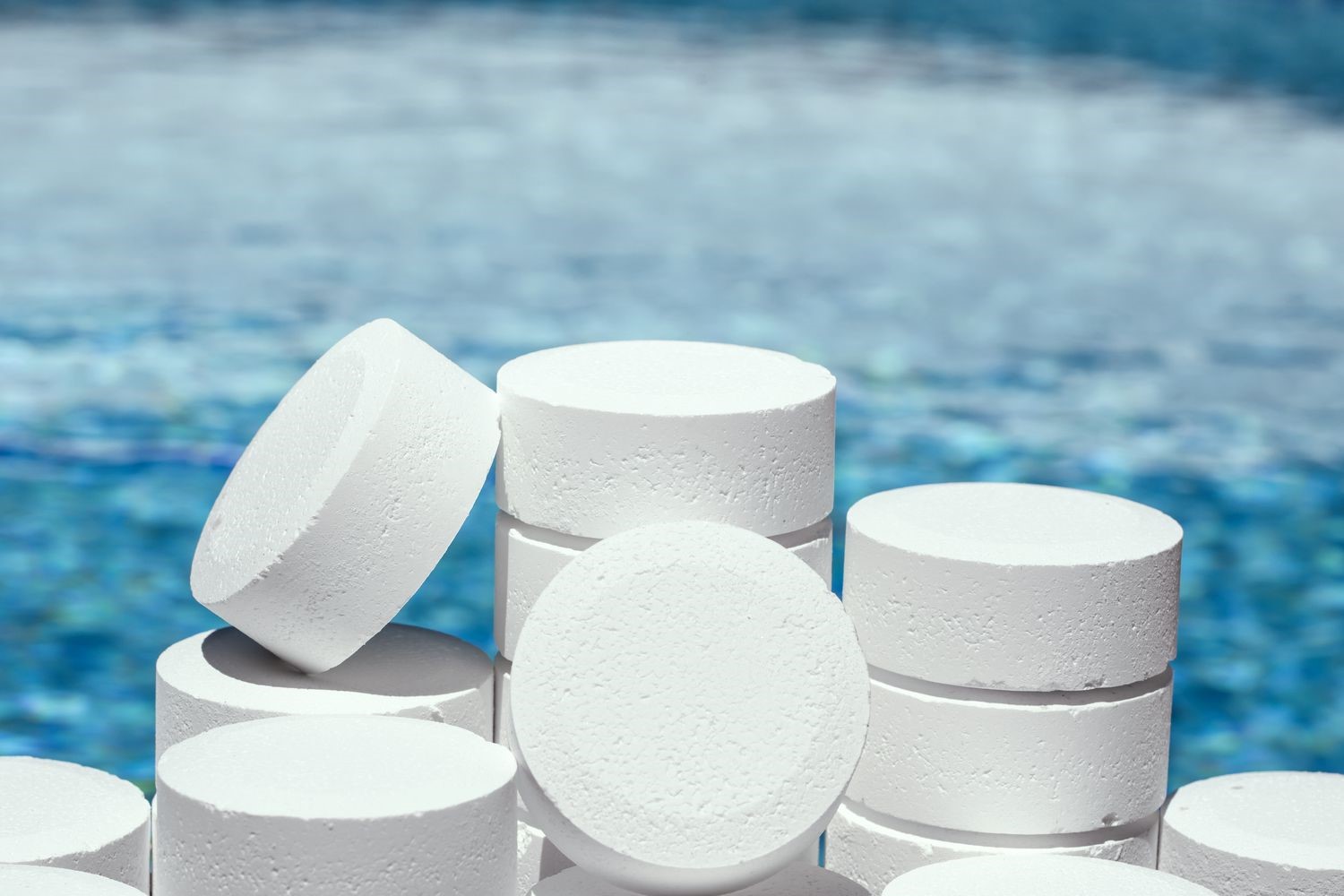
Bulk SDIC for Pharma Plants: Chlorination High
Introduction
In the pharmaceutical manufacturing sector, maintaining stringent water quality standards is not merely a regulatory requirement—it is a fundamental pillar of product safety and efficacy. Sodium Dichloroisocyanurate (SDIC) has emerged as a premier chlorination agent for pharmaceutical water treatment systems, offering superior disinfection performance, exceptional stability, and compliance with international pharmacopeial standards.
This comprehensive technical guide explores the critical role of bulk SDIC in pharmaceutical plant operations, detailing its chemical properties, performance metrics, regulatory compliance frameworks, and implementation best practices. For procurement managers, quality assurance directors, and facility engineers seeking reliable chlorination solutions, understanding SDIC’s technical advantages is essential for optimizing water treatment protocols while maintaining GMP compliance.
Understanding SDIC: Chemical Composition and Properties
Molecular Structure and Characteristics
Sodium Dichloroisocyanurate (SDIC), chemically designated as C₃Cl₂N₃NaO₃, represents an organic chlorinating compound with the CAS Registry Number 2893-78-9. This heterocyclic compound belongs to the chloroisocyanurate family, featuring a triazine ring structure that enables controlled chlorine release during aqueous dissolution.
Key Chemical Properties:
| Parameter | Specification |
|---|---|
| Molecular Weight | 219.95 g/mol |
| Active Chlorine Content | 56-60% (industrial grade) |
| Physical Form | White crystalline powder or granules |
| Melting Point | 240-250°C |
| Solubility in Water | 25g/100ml at 25°C |
| pH (1% solution) | 5.5-7.0 |
| Bulk Density | 0.65-0.75 g/cm³ |
Stability Profile
SDIC demonstrates exceptional thermal and chemical stability under proper storage conditions. The compound maintains potency for 24-36 months when stored in cool, dry, well-ventilated environments away from direct sunlight and moisture. This extended shelf life significantly reduces inventory turnover costs for pharmaceutical facilities managing bulk chemical supplies.
Pharmaceutical Water Treatment Applications
Water for Pharmaceutical Purposes (WPP)
The United States Pharmacopeia (USP) Chapter <1231> “Water for Pharmaceutical Purposes” establishes comprehensive guidelines for water quality in pharmaceutical manufacturing. SDIC serves as an effective pre-treatment disinfectant for source water entering pharmaceutical purification systems, including:
- Purified Water (PW) Systems: Pre-chlorination to control microbial load before reverse osmosis and deionization stages
- Water for Injection (WFI) Production: Source water disinfection prior to distillation or ultrafiltration
- HVAC Humidification Systems: Microbial control in steam generation for cleanroom environments
- CIP (Clean-in-Place) Systems: Final rinse water disinfection for equipment sanitization
Chlorination Performance Metrics
Disinfection Efficiency Data:
| Microorganism | Log Reduction | Contact Time | SDIC Concentration |
|---|---|---|---|
| E. coli | >6 log | 10 minutes | 2-5 ppm |
| Staphylococcus aureus | >5 log | 15 minutes | 3-6 ppm |
| Pseudomonas aeruginosa | >5 log | 20 minutes | 4-8 ppm |
| Giardia lamblia cysts | >4 log | 30 minutes | 5-10 ppm |
| Cryptosporidium oocysts | >3 log | 45 minutes | 8-12 ppm |
Data compiled from peer-reviewed disinfection studies and industrial validation reports
Residual Chlorine Maintenance
One of SDIC’s distinguishing advantages over sodium hypochlorite is its superior residual chlorine maintenance. Field studies demonstrate that SDIC-treated water systems maintain effective disinfectant residuals 40-60% longer than equivalent hypochlorite treatments, reducing the frequency of re-dosing and minimizing chemical consumption costs.
Regulatory Compliance and Quality Standards
International Pharmacopeial References
Pharmaceutical facilities operating under multiple regulatory jurisdictions must ensure chlorination agents meet applicable quality standards:
USP (United States Pharmacopeia):
- Chapter <1231>: Water for Pharmaceutical Purposes
- Chapter <61>: Microbiological Examination of Nonsterile Products
- Chapter <1227>: Validation of Alternative Microbiological Methods
EP (European Pharmacopoeia):
- Monograph 0169: Water for Injections
- Monograph 0008: Purified Water
- General Chapter 5.1.4: Microbiological Quality of Non-Sterile Pharmaceutical Preparations
WHO Guidelines:
- Guidelines for Drinking-water Quality (4th Edition)
- WHO Good Manufacturing Practices for Pharmaceutical Products
GMP Considerations
Current Good Manufacturing Practice (cGMP) regulations require comprehensive documentation of all water treatment chemicals. SDIC suppliers must provide:
- Certificate of Analysis (CoA): Batch-specific purity and active chlorine content verification
- Material Safety Data Sheet (MSDS/SDS): Complete hazard communication per GHS standards
- Regulatory Compliance Statements: Documentation of FDA, EPA, and REACH compliance status
- Traceability Records: Full supply chain documentation from manufacture to delivery
Bulk Supply Specifications for Industrial Applications
Packaging and Delivery Options
Pharmaceutical plants requiring continuous chlorination benefit from bulk SDIC supply arrangements. Standard industrial packaging configurations include:
| Package Type | Net Weight | Applications |
|---|---|---|
| HDPE Drums | 25 kg | Laboratory scale, pilot plants |
| Fiber Drums | 50 kg | Medium-scale production facilities |
| Bulk Bags (FIBC) | 500-1000 kg | Large pharmaceutical manufacturing plants |
| Custom Bulk Containers | 2000-5000 kg | Multi-site corporate procurement |
Quality Grade Classifications
Pharmaceutical Grade SDIC:
- Active Chlorine: ≥58%
- Moisture Content: ≤5%
- Heavy Metals: ≤10 ppm
- Insoluble Matter: ≤0.5%
- Microbial Limits: Meets USP <61> requirements
Industrial Grade SDIC:
- Active Chlorine: 56-60%
- Moisture Content: ≤8%
- Suitable for pre-treatment and non-product contact applications
Storage and Handling Requirements
Proper storage protocols ensure SDIC maintains specified quality throughout its shelf life:
- Temperature Range: 15-30°C (optimal), maximum 40°C
- Relative Humidity: <65% to prevent caking and decomposition
- Ventilation: Adequate air circulation to prevent chlorine gas accumulation
- Segregation: Store away from organic materials, acids, and reducing agents
- Container Integrity: Maintain original packaging until point of use
Technical Advantages Over Alternative Chlorination Methods
SDIC vs. Sodium Hypochlorite
| Parameter | SDIC | Sodium Hypochlorite |
|---|---|---|
| Active Chlorine Stability | 24-36 months | 3-6 months |
| pH Impact on Water | Minimal (5.5-7.0) | Significant increase (10-12) |
| Storage Requirements | Ambient temperature | Cool temperature required |
| Transportation Hazard Class | 5.1 (Oxidizer) | 8 (Corrosive) |
| Residual Duration | Extended (40-60% longer) | Standard |
| Cost per kg Active Chlorine | Competitive | Variable (regional) |
SDIC vs. Chlorine Gas
| Parameter | SDIC | Chlorine Gas |
|---|---|---|
| Safety Profile | Solid form, lower risk | Gaseous, high hazard |
| Equipment Requirements | Simple dosing systems | Specialized gas handling |
| Regulatory Burden | Standard chemical handling | Strict hazardous material protocols |
| Emergency Response | Standard procedures | Specialized training required |
| Capital Investment | Low | High (gas containment systems) |
Implementation Best Practices for Pharmaceutical Facilities
System Integration Guidelines
- Dosing System Design: Implement automated dosing pumps with flow-proportional control for consistent chlorine residual maintenance
- Monitoring Protocols: Install online chlorine analyzers with alarm thresholds set per facility SOPs (typically 0.2-0.5 ppm residual for distribution systems)
- Validation Requirements: Conduct IQ/OQ/PQ validation for all SDIC dosing equipment per FDA guidance documents
- Change Control: Document all modifications to chlorination systems through formal change control procedures
Risk Mitigation Strategies
- Byproduct Management: Monitor trihalomethane (THM) formation in source water with high organic content
- Corrosion Prevention: Evaluate material compatibility for wetted components (316L stainless steel recommended)
- Operator Safety: Provide comprehensive training on chemical handling and emergency procedures
- Supply Chain Continuity: Maintain qualified alternate suppliers to prevent production disruptions
Economic Considerations and ROI Analysis
Total Cost of Ownership
When evaluating SDIC for pharmaceutical water treatment, facilities should consider comprehensive cost factors beyond unit price:
Direct Costs:
- Chemical procurement (bulk discounts available)
- Dosing equipment capital expenditure
- Monitoring instrumentation
- Labor for handling and administration
Indirect Costs:
- Regulatory compliance documentation
- Training and certification
- Waste disposal (minimal for SDIC)
- Inventory carrying costs
Cost Savings:
- Extended shelf life reduces waste
- Lower transportation costs (solid vs. liquid)
- Reduced equipment corrosion (vs. hypochlorite)
- Decreased frequency of system sanitization cycles
Return on Investment Timeline
Typical pharmaceutical facilities transitioning from sodium hypochlorite to bulk SDIC report positive ROI within 12-18 months, driven primarily by reduced chemical consumption, lower maintenance costs, and decreased regulatory compliance burden.
Frequently Asked Questions (FAQ)
Q1: What is the recommended SDIC concentration for pharmaceutical water pre-treatment?
A: For source water pre-treatment entering pharmaceutical purification systems, maintain 2-5 ppm free chlorine residual. Final product water systems requiring chlorine-free water should incorporate dechlorination stages (activated carbon or sodium bisulfite) downstream of SDIC treatment.
Q2: How does SDIC affect water pH in pharmaceutical applications?
A: SDIC solutions typically exhibit pH 5.5-7.0 at 1% concentration, producing minimal pH shift in treated water compared to sodium hypochlorite (pH 10-12). This characteristic reduces the need for pH adjustment chemicals and minimizes corrosion risk in distribution piping.
Q3: What is the shelf life of bulk SDIC under proper storage conditions?
A: When stored in original packaging at 15-30°C with relative humidity below 65%, pharmaceutical grade SDIC maintains specified active chlorine content for 24-36 months from manufacture date. Always verify potency via Certificate of Analysis before use in critical applications.
Q4: Can SDIC be used in WFI (Water for Injection) production systems?
A: SDIC is suitable for source water disinfection prior to WFI production stages (distillation or ultrafiltration). However, chlorine must be completely removed before water enters the WFI generation system, as pharmacopeial standards require WFI to be free of disinfectant residuals.
Q5: What documentation is required for SDIC procurement under GMP regulations?
A: GMP-compliant SDIC procurement requires: current Certificate of Analysis (batch-specific), Material Safety Data Sheet (SDS), regulatory compliance statements (FDA/REACH), supplier qualification documentation, and complete chain-of-custody records. All documents must be retained per facility document retention policies.
Q6: How does SDIC compare to UV disinfection for pharmaceutical water systems?
A: SDIC provides residual disinfection throughout distribution systems, whereas UV offers only point-of-treatment microbial inactivation without residual protection. Many facilities employ hybrid approaches: UV for primary disinfection combined with low-level SDIC for distribution system residual maintenance.
Q7: What are the environmental disposal considerations for SDIC?
A: SDIC decomposition products (sodium chloride, cyanuric acid, carbon dioxide) exhibit low environmental toxicity. However, facility wastewater discharge must comply with local environmental regulations. Consult environmental compliance specialists for site-specific discharge permits and limitations.
Q8: Is technical support available for SDIC system implementation?
A: Reputable bulk SDIC suppliers provide comprehensive technical support including system design consultation, dosing equipment specification, validation protocol review, and operator training programs. Engage suppliers early in project planning to optimize system design and regulatory compliance.
Conclusion
Bulk SDIC represents a technically superior, economically viable, and regulatory-compliant chlorination solution for pharmaceutical water treatment applications. Its exceptional stability, superior residual maintenance, and minimal pH impact position SDIC as the preferred choice for facilities seeking to optimize water quality while maintaining GMP compliance and controlling operational costs.
Pharmaceutical manufacturers evaluating chlorination strategies should conduct comprehensive technical and economic assessments comparing SDIC against alternative disinfection methods. Partner with qualified suppliers who demonstrate commitment to quality, regulatory compliance, and technical support excellence.
For detailed technical specifications, custom bulk pricing, and implementation consultation, visit our contact page to connect with our pharmaceutical water treatment specialists.
