
Wholesale Calcium Hypochlorite for Importers: Import Pricing
Introduction
As a chemical industry veteran with over fifteen years of experience in water treatment solutions, I’ve witnessed firsthand how calcium hypochlorite has become the backbone of disinfection protocols across multiple industries. Whether you’re importing for municipal water treatment, swimming pool maintenance, or industrial sanitation purposes, understanding the wholesale calcium hypochlorite import pricing landscape is crucial for making informed purchasing decisions.
In this comprehensive guide, I’ll break down everything you need to know about calcium hypochlorite wholesale pricing, market trends, quality considerations, and how to secure the best import deals for your business. My goal is to help you navigate this complex market with confidence and avoid common pitfalls that many importers encounter.
Understanding Calcium Hypochlorite: The Essential Disinfectant
What Makes Calcium Hypochlorite So Valuable?
Calcium hypochlorite (chemical formula Ca(OCl)₂, CAS Number: 7778-54-3) stands as one of the most effective and versatile disinfectants available in the global market today. This white powdery compound delivers powerful oxidizing properties that make it indispensable for water purification, bleaching applications, and sanitation processes.
The compound’s effectiveness stems from its high available chlorine content, typically ranging between 65% to 70% for premium grades. This high concentration means you need less product to achieve desired disinfection results, translating directly into cost savings for large-scale operations.
Primary Applications Driving Global Demand
The versatility of calcium hypochlorite extends across numerous sectors:
- Municipal Water Treatment: Cities worldwide rely on this compound for maintaining safe drinking water standards
- Swimming Pool Sanitation: Pool operators prefer calcium hypochlorite for its stability and effectiveness
- Industrial Wastewater Treatment: Manufacturing facilities use it for effluent disinfection before discharge
- Food Processing: Agricultural operations utilize it for produce sanitization and storage
- Healthcare Facilities: Hospitals depend on it for surface disinfection and sterilization
This broad application base ensures consistent demand, making calcium hypochlorite import a stable business opportunity for wholesalers and distributors.
Current Market Pricing Landscape for 2026
Global Price Trends and Factors
The calcium hypochlorite wholesale market has experienced notable fluctuations over the past eighteen months. Based on my analysis of current market conditions, import pricing is influenced by several interconnected factors:
Raw Material Costs: The production of calcium hypochlorite requires chlorine, lime, and specialized manufacturing equipment. Fluctuations in chlorine prices directly impact final product costs. Energy costs also play a significant role, as the manufacturing process is energy-intensive.
Shipping and Logistics: Ocean freight rates have stabilized compared to the volatility seen in previous years, but regional variations still exist. Importers should factor in container availability, port congestion, and fuel surcharges when calculating landed costs.
Regulatory Compliance: Different countries maintain varying standards for calcium hypochlorite imports. Meeting these requirements often involves additional testing, documentation, and certification costs that affect overall pricing.
Regional Price Variations
Import pricing varies significantly depending on your destination market:
- North American Markets: Typically command premium pricing due to stringent quality requirements and regulatory compliance costs
- European Union: Prices reflect REACH compliance and environmental standards
- Southeast Asia: Generally more competitive pricing with growing demand
- Middle East and Africa: Emerging markets with increasing infrastructure investment driving demand
Quality Grades and Their Impact on Pricing
Understanding Grade Classifications
Not all calcium hypochlorite products are created equal. Understanding grade classifications helps you match product quality to your specific application needs while optimizing costs.
Industrial Grade (65-68% Available Chlorine): This is the most common grade for wholesale import. It offers excellent value for municipal water treatment and large-scale industrial applications. Price points typically range from $1,800 to $2,400 per metric ton FOB, depending on quantity and supplier relationships.
Premium Grade (70%+ Available Chlorine): For applications requiring maximum efficiency and minimal residue, premium grades deliver superior performance. Expect to pay 15-25% more than industrial grade, but the enhanced effectiveness often justifies the additional investment.
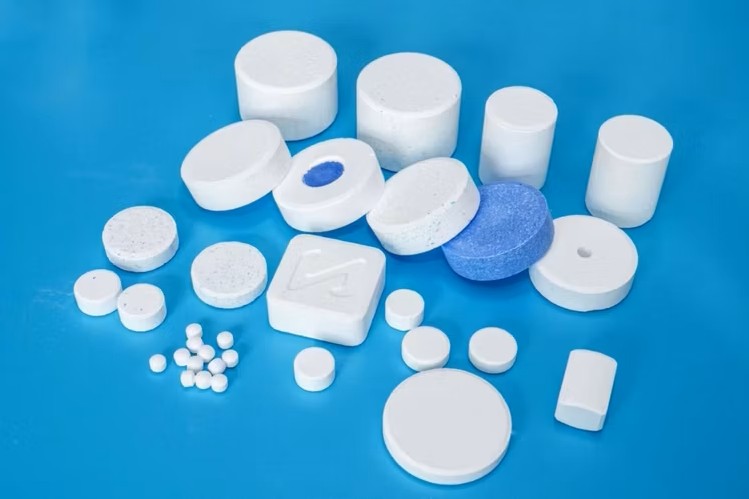
Tablet and Granular Forms: Processed forms command higher prices due to additional manufacturing steps. Tablets are particularly popular for swimming pool applications and retail distribution, with pricing 30-40% above bulk powder equivalents.
Quality Verification Best Practices
When evaluating wholesale calcium hypochlorite suppliers, I always recommend requesting:
- Certificate of Analysis (CoA) for each shipment
- Third-party testing results from recognized laboratories
- Manufacturing facility audit reports
- Previous customer references in your region
These documents protect your investment and ensure consistent product quality across multiple shipments.
Strategic Sourcing: How to Secure the Best Import Deals
Building Supplier Relationships
In my experience, the best pricing comes from long-term supplier partnerships rather than one-off transactions. Established relationships provide several advantages:
- Priority allocation during supply constraints
- More favorable payment terms
- Better responsiveness to quality issues
- Access to market intelligence and pricing trends
I recommend starting with smaller trial orders to evaluate supplier reliability before committing to large-volume contracts.
Negotiation Leverage Points
Several factors strengthen your negotiating position:
Volume Commitments: Suppliers offer better pricing for guaranteed annual volumes. Even if you can’t take immediate delivery, committing to quarterly or annual quantities often unlocks significant discounts.
Payment Terms: Letters of credit and advance payments reduce supplier risk, which they often reward with price concessions. However, balance this against your cash flow requirements.
Shipping Arrangements: Taking responsibility for freight forwarding (FOB terms) rather than relying on supplier-arranged shipping (CIF terms) can reduce costs by 8-12% in many cases.
Timing Your Purchases
Market timing significantly impacts import pricing. Based on seasonal patterns I’ve observed:
- Q1 (January-March): Prices often rise due to post-holiday production ramp-up and Chinese New Year disruptions
- Q2 (April-June): Typically offers the most competitive pricing as manufacturers seek to fill production capacity
- Q3 (July-September): Demand increases for swimming pool season in northern hemisphere markets
- Q4 (October-December): Year-end inventory building can create pricing pressure
Planning your procurement calendar around these patterns can yield substantial savings.
Risk Management for Calcium Hypochlorite Importers
Regulatory Compliance Considerations
Calcium hypochlorite is classified as a hazardous material for shipping purposes (UN Number: 1748, Class 5.1 Oxidizer). This classification requires:
- Proper packaging meeting international transport standards
- Accurate hazard documentation
- Trained personnel for handling and storage
- Appropriate insurance coverage
Non-compliance can result in shipment delays, fines, or even confiscation of goods.
Storage and Handling Requirements
Proper storage protects both your investment and personnel safety:
- Store in cool, dry, well-ventilated areas away from organic materials
- Maintain temperature below 30°C when possible
- Keep away from acids and ammonia compounds
- Implement fire prevention measures
Investing in proper storage infrastructure reduces product degradation and extends shelf life, protecting your profit margins.
Currency and Payment Risk
International transactions expose you to currency fluctuation risks. Consider:
- Hedging strategies for large contracts
- Multi-currency payment options
- Clear terms for exchange rate adjustments
- Working with banks experienced in chemical trade finance
Frequently Asked Questions (FAQ)
Q1: What is the typical lead time for calcium hypochlorite wholesale orders?
A: Standard lead times range from 15 to 30 days after order confirmation, depending on supplier inventory levels and production schedules. During peak seasons (Q2-Q3), allow an additional 7-10 days for production and documentation.
Q2: What minimum order quantities do suppliers typically require?
A: Most wholesale suppliers require minimum orders of 20 metric tons (one full container load). Some manufacturers accept 10-ton orders but charge premium pricing. For trial orders, some suppliers offer 5-ton minimums at significantly higher per-ton rates.
Q3: How should I calculate landed costs for import pricing comparisons?
A: Landed cost includes FOB price, ocean freight, insurance, import duties, port handling charges, inland transportation, and any compliance testing fees. I recommend building a spreadsheet model that captures all these elements for accurate supplier comparisons.
Q4: What certifications should I look for when evaluating suppliers?
A: Key certifications include ISO 9001 (quality management), ISO 14001 (environmental management), and REACH compliance for European markets. Some buyers also require OHSAS 18001 for occupational health and safety standards.
Q5: How long does calcium hypochlorite remain stable during storage?
A: Properly stored calcium hypochlorite maintains effectiveness for 12-24 months. However, available chlorine content gradually decreases over time. For optimal performance, I recommend using product within 12 months of manufacture and testing older inventory before use.
Q6: Can I mix different grades or batches from different suppliers?
A: I strongly advise against mixing batches from different suppliers or production runs. Variations in composition can affect performance and potentially create safety hazards. Maintain batch segregation and document all usage for quality tracking.
Conclusion: Making Informed Import Decisions
Navigating the wholesale calcium hypochlorite import market requires careful consideration of pricing, quality, logistics, and regulatory factors. The insights I’ve shared throughout this guide come from years of hands-on experience helping importers optimize their procurement strategies.
Remember that the lowest price doesn’t always represent the best value. Factor in reliability, quality consistency, and supplier support when making your decisions. Building strong relationships with reputable manufacturers pays dividends over time through consistent product quality and responsive service.
The water treatment chemical market continues evolving, and staying informed about pricing trends, regulatory changes, and supply chain dynamics positions you for success. Whether you’re importing for the first time or looking to optimize existing supply chains, the principles outlined here provide a solid foundation for making strategic purchasing decisions.
Ready to explore wholesale calcium hypochlorite opportunities for your business? Take the next step by reaching out to established suppliers who can provide detailed quotations based on your specific requirements and destination market.
Author: Marcus Richardson
Disclaimer: Pricing information provided in this article reflects general market conditions as of early 2026 and may vary based on specific circumstances. Always obtain current quotations from multiple suppliers before making purchasing decisions.
