
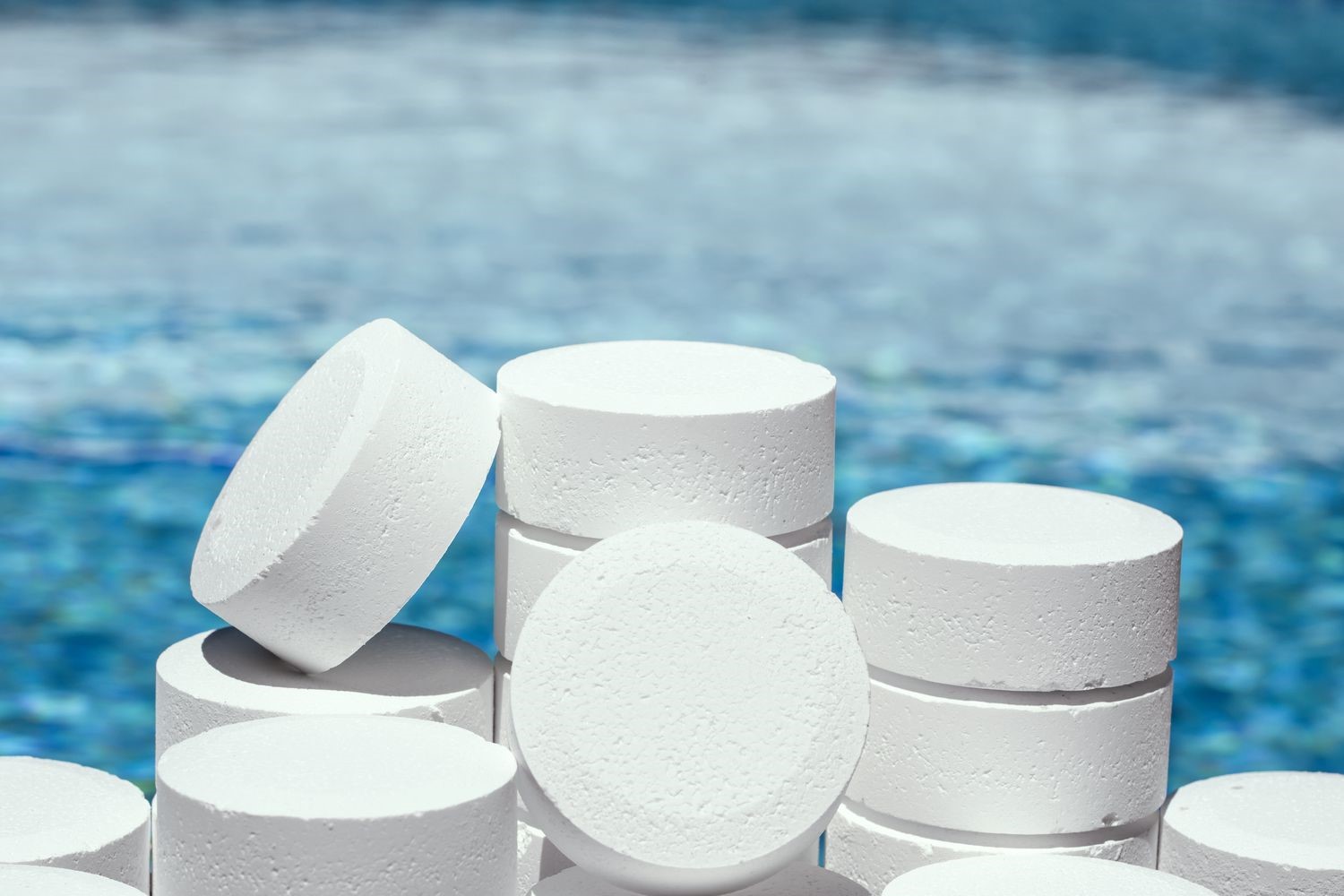
Applications in TCCA in Water Treatment
Introduction
Water contamination remains one of the most critical challenges facing industries, municipalities, and commercial facilities worldwide. From swimming pools to industrial cooling systems, ensuring water safety requires effective disinfection solutions that balance performance, cost, and environmental considerations. Trichloroisocyanuric Acid (TCCA) has emerged as a leading choice for water treatment professionals seeking reliable chlorination without compromising operational efficiency.
This article explores how TCCA applications in water treatment address common pain points while delivering superior disinfection results for B2B clients across multiple sectors.
Understanding TCCA: The Powerful Disinfectant Solution
What Makes TCCA Different?
Trichloroisocyanuric Acid (CAS: 87-90-1) is an organic compound with approximately 90% available chlorine content. Unlike traditional sodium hypochlorite, TCCA offers enhanced stability and controlled chlorine release, making it ideal for applications requiring sustained disinfection power.
Key Chemical Properties
- Molecular Formula: C₃Cl₃N₃O₃
- Appearance: White crystalline powder or granules
- Chlorine Content: 85-90% available chlorine
- pH Level: 2.6-3.2 (1% solution)
- Solubility: 1.2g/100g water at 25°C
Core Applications in TCCA in Water Treatment
Swimming Pool and Recreational Water Disinfection
Commercial pool operators face constant pressure to maintain water quality while minimizing operational costs. TCCA provides slow-release chlorination that maintains consistent free chlorine levels, reducing the frequency of chemical dosing and labor requirements.
Benefits for Pool Management Companies:
- Extended chlorine residual stability
- Reduced UV degradation in outdoor facilities
- Lower total chemical consumption
- Enhanced bather comfort with minimal chloramine formation
Industrial Cooling Water Systems
Industrial facilities struggle with biofilm formation, algae growth, and microbial contamination in cooling towers. These issues lead to reduced heat transfer efficiency, increased energy costs, and potential equipment damage.
TCCA Solutions for Industrial Clients:
- Effective biofilm control
- Prevention of Legionella bacteria proliferation
- Compatible with most cooling system materials
- Cost-effective compared to continuous chlorination systems
Municipal Drinking Water Treatment
Water utilities require disinfectants that provide residual protection throughout distribution networks. TCCA’s stable chlorine release ensures ongoing protection against microbial regrowth.
Wastewater and Effluent Disinfection
Treatment plants must meet increasingly stringent discharge regulations. TCCA offers reliable pathogen reduction while maintaining manageable operational costs.
Addressing Common B2B Client Pain Points
Challenge 1: Inconsistent Disinfection Performance
Many facilities experience fluctuating chlorine levels due to rapid degradation of traditional disinfectants. TCCA’s controlled release mechanism maintains stable residual concentrations, eliminating peaks and valleys in disinfection effectiveness.
Challenge 2: High Operational Costs
Frequent chemical dosing increases labor costs and chemical consumption. TCCA’s extended action reduces application frequency by up to 40%, delivering significant cost savings for large-scale operations.
Challenge 3: Storage and Safety Concerns
Unlike liquid chlorine solutions, TCCA’s solid form offers easier storage, reduced spill risks, and longer shelf life under proper conditions. This translates to lower insurance costs and simplified compliance management.
Challenge 4: Environmental Compliance
Regulatory pressure continues to intensify. TCCA produces fewer harmful disinfection by-products compared to some alternative chlorination methods, supporting sustainability initiatives while meeting discharge standards.
Implementation Best Practices
Proper Dosing Strategies
Successful TCCA applications in water treatment require understanding facility-specific requirements. Factors including water volume, contamination levels, temperature, and pH must guide dosing calculations.
Storage Recommendations
- Keep containers dry and sealed
- Avoid direct sunlight exposure
- Store away from acids, alkalis, and reducing agents
- Maintain ambient temperature conditions
Safety Protocols
While TCCA offers advantages over many alternatives, proper handling procedures remain essential. Provide staff training on PPE requirements, emergency response, and safe mixing practices.
Conclusion
TCCA applications in water treatment represent a strategic investment for businesses seeking reliable, cost-effective disinfection solutions. From swimming pools to industrial cooling systems, this powerful compound addresses critical pain points while supporting operational efficiency and regulatory compliance.
For B2B clients evaluating water treatment options, TCCA delivers the balance of performance, safety, and value that modern facilities demand. Partnering with experienced suppliers ensures proper product selection, technical support, and ongoing optimization of your water treatment program.
FAQ
Q1: What is the typical shelf life of TCCA products?
A: When stored properly in dry, cool conditions away from direct sunlight, TCCA maintains stability for 12-24 months. Always check manufacturer specifications for specific product grades.
Q2: Can TCCA be used in combination with other water treatment chemicals?
A: TCCA is compatible with many water treatment additives, but should not be mixed directly with acids, alkalis, or strong reducing agents. Consult technical documentation before combining chemicals.
Q3: How does TCCA compare to sodium dichloroisocyanurate (SDIC)?
A: TCCA typically offers higher available chlorine content (90% vs. 55-60%) and slower release rates, making it suitable for applications requiring extended disinfection. SDIC dissolves more quickly for rapid treatment needs.
Q4: What industries benefit most from TCCA water treatment solutions?
A: Primary sectors include recreational facilities, food processing plants, textile manufacturers, cooling tower operations, municipal water utilities, and healthcare facilities.
Q5: Are there environmental considerations when using TCCA?
A: TCCA produces cyanuric acid as a byproduct, which can accumulate in closed systems. Regular monitoring and partial water replacement help maintain optimal conditions while minimizing environmental impact.
Author: Dr. Marcus Richardson
For more information about TCCA water treatment solutions and customized chemical supply programs, visit our contact page to connect with our technical team.
