
Reliable Exporters TCCA Exporters from USA: Your Complete Guide to Trusted Supply Chains
Introduction
In today’s competitive chemical industry, finding reliable exporters TCCA exporters from USA has become a critical challenge for businesses worldwide. Trichloroisocyanuric Acid (TCCA), with CAS number 87-90-1, stands as one of the most essential disinfectants and water treatment chemicals in the global market. Whether you operate a swimming pool maintenance company, municipal water treatment facility, or agricultural business, securing a trustworthy TCCA supply chain directly impacts your operational efficiency and product quality.
This comprehensive guide explores everything B2B buyers need to know about sourcing TCCA from reliable exporters serving the USA market. We’ll examine quality standards, verification methods, and key considerations that separate genuine suppliers from questionable sources.
Understanding TCCA: Properties and Applications
Chemical Characteristics
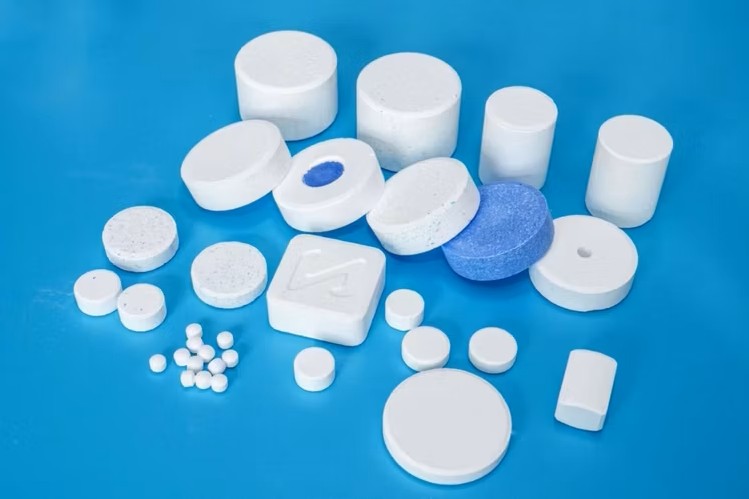
Trichloroisocyanuric Acid is a powerful organic compound with the molecular formula C₃Cl₃N₃O₃ and molecular weight of 232.41. This white crystalline powder contains approximately 90% available chlorine, making it an exceptionally effective oxidizing and chlorinating agent. TCCA exhibits moderate water solubility (1.2g/100g water at 25°C) and releases chlorine gradually, providing sustained disinfection capabilities.
Primary Industrial Applications
Water Treatment Solutions: TCCA serves as the cornerstone chemical for swimming pool sanitation, drinking water purification, and industrial cooling tower maintenance. Its slow-release chlorine mechanism ensures consistent disinfection without frequent reapplication.
Agricultural Sector: Recent research demonstrates TCCA’s effectiveness in controlling bacterial diseases in crops, including kiwifruit bacterial canker. This eco-friendly bactericide offers farmers a sustainable alternative to traditional pesticides.
Industrial Sanitization: Food processing facilities, healthcare institutions, and manufacturing plants rely on TCCA for comprehensive sterilization protocols. Its broad-spectrum efficacy against bacteria, viruses, fungi, and spores makes it indispensable for maintaining hygienic standards.
Identifying Reliable TCCA Exporters from USA
Certification and Compliance Standards
When evaluating reliable exporters TCCA exporters from USA, prioritize suppliers who maintain internationally recognized certifications. ISO 9001 quality management certification indicates systematic quality control processes. Additionally, verify compliance with EPA regulations, OSHA safety standards, and DOT transportation requirements for hazardous materials.
Reputable exporters provide comprehensive documentation including:
- Certificate of Analysis (COA) for each batch
- Material Safety Data Sheets (MSDS/SDS)
- Export licenses and customs documentation
- Third-party laboratory testing reports
Supply Chain Transparency
Trustworthy TCCA suppliers maintain complete transparency throughout their supply chain. They readily share information about manufacturing origins, storage conditions, and transportation methods. Leading exporters implement track-and-trace systems allowing customers to monitor shipments from production facility to final delivery.
Quality Assurance Protocols
Premium TCCA exporters from USA implement rigorous quality assurance protocols at every production stage. This includes raw material verification, in-process testing, and final product validation. Consistent chlorine content (88-90% for premium grade), moisture levels below 0.5%, and uniform particle size distribution indicate superior quality control.
Common Challenges When Sourcing TCCA
Quality Inconsistency Issues
One prevalent challenge involves receiving products with varying chlorine content between batches. This inconsistency can disrupt treatment protocols and compromise effectiveness. Reliable exporters maintain tight quality tolerances with less than 2% variation between production lots.
Shipping and Storage Complications
TCCA requires careful handling during transportation due to its oxidizing properties. Improper storage conditions, particularly exposure to moisture or high temperatures, can degrade product quality. Established exporters utilize climate-controlled containers and follow International Maritime Dangerous Goods (IMDG) codes for safe transportation.
Regulatory Compliance Complexity
Navigating international chemical regulations presents significant challenges. Different countries maintain varying requirements for chemical imports, documentation, and usage restrictions. Experienced exporters possess expertise in customs clearance procedures and maintain updated knowledge of evolving regulatory landscapes.
Solutions for B2B Buyers
Establishing Long-term Partnerships
Building relationships with reliable exporters TCCA exporters from USA creates mutual benefits. Long-term partnerships enable better pricing, priority allocation during high-demand periods, and customized service arrangements. Consider implementing annual supply agreements with clearly defined quality specifications and delivery schedules.
Implementing Vendor Qualification Programs
Develop comprehensive vendor qualification processes including:
- Initial facility audits (virtual or on-site)
- Sample testing before large orders
- Reference checks with existing customers
- Financial stability verification
- Insurance coverage confirmation
Diversifying Supply Sources
While establishing primary supplier relationships, maintain backup sources to mitigate disruption risks. Working with multiple TCCA exporters from USA provides flexibility during emergencies and strengthens negotiation positions. However, ensure all suppliers meet your quality standards before adding them to approved vendor lists.
Market Trends and Future Outlook
The global TCCA market reached approximately $1.23 billion in 2025, with North America and China representing roughly 70% of total consumption. Industry analysts project continued growth through 2032, driven by increasing water treatment demands, agricultural applications, and heightened sanitation awareness post-pandemic.
Emerging trends include:
- Eco-friendly formulation developments
- Enhanced packaging solutions for improved stability
- Digital supply chain integration
- Sustainable manufacturing practices
Key Questions to Ask Potential Suppliers
Before committing to any TCCA exporters from USA, inquire about:
- Manufacturing capacity and lead times
- Minimum order quantities and pricing tiers
- Payment terms and accepted methods
- Return policies for non-conforming products
- Technical support availability
- Emergency response procedures
- Sustainability initiatives and environmental commitments
Conclusion
Selecting reliable exporters TCCA exporters from USA requires thorough due diligence, but the investment pays dividends through consistent product quality, reliable delivery, and long-term business stability. By implementing the verification strategies outlined in this guide, B2B buyers can establish secure supply chains that support operational excellence and customer satisfaction.
Remember that the lowest price rarely represents the best value. Consider total cost of ownership including quality consistency, delivery reliability, technical support, and risk mitigation when evaluating potential suppliers. Your partnership with TCCA exporters should enhance your competitive position while ensuring regulatory compliance and operational safety.
Frequently Asked Questions (FAQ)
Q1: What is the typical lead time for TCCA orders from USA exporters?
A: Standard lead times range from 2-4 weeks for stock items and 4-8 weeks for custom formulations or large quantities. Express shipping options may be available for urgent requirements.
Q2: What packaging options do reliable TCCA exporters offer?
A: Common packaging includes 25kg bags, 50kg drums, and 1000kg bulk containers. Custom packaging solutions are available for specific application requirements.
Q3: How should TCCA be stored to maintain product quality?
A: Store in cool, dry, well-ventilated areas away from direct sunlight, moisture, and incompatible materials. Maintain temperatures below 30°C and relative humidity under 70%.
Q4: What documentation is required for importing TCCA?
A: Required documents typically include Commercial Invoice, Packing List, Bill of Lading, Certificate of Analysis, Safety Data Sheet, and any country-specific import permits.
Q5: Can TCCA exporters provide technical support for application optimization?
A: Reputable exporters offer technical consultation including dosage recommendations, compatibility assessments, and troubleshooting assistance for optimal product performance.
Q6: What payment terms are commonly offered by TCCA suppliers?
A: Standard terms include T/T (Telegraphic Transfer), L/C (Letter of Credit), and D/P (Documents against Payment). Established customers may qualify for net 30 or net 60 terms.
For more information about our TCCA products and services, please visit: https://envochemical.com/contact-us/
