
Affordable TCCA Solutions for Livestock Farming Professionals
Introduction
In today’s competitive livestock farming industry, maintaining optimal biosecurity standards while controlling operational costs represents one of the most significant challenges facing agricultural professionals. Disease outbreaks can devastate entire operations, leading to substantial financial losses and compromised animal welfare. This is where effective disinfection solutions become critical. Trichloroisocyanuric acid (TCCA) has emerged as a cost-effective, reliable disinfectant that addresses the unique needs of livestock farming operations worldwide.
For B2B buyers seeking affordable TCCA solutions for livestock farming professionals, understanding the balance between quality, efficacy, and pricing is essential. This article explores how TCCA disinfection products can transform your farm’s biosecurity protocol while keeping budgets intact.
Understanding TCCA: The Science Behind Effective Livestock Disinfection
What Makes TCCA Ideal for Agricultural Applications?
TCCA (CAS: 87-90-1) is a powerful organic compound containing over 90% available chlorine. Its slow-release chlorine mechanism provides sustained disinfection action, making it particularly suitable for livestock environments where continuous protection is necessary. Unlike traditional chlorine-based disinfectants, TCCA offers superior stability and longer-lasting effectiveness.
Key advantages include:
- Broad-spectrum antimicrobial activity against bacteria, viruses, fungi, and spores
- Extended residual protection in water treatment systems
- Cost-efficient dosing requiring lower concentrations than alternative products
- Minimal corrosion on stainless steel equipment commonly found in farming facilities
Addressing Common Livestock Farming Pain Points
Challenge 1: Rising Disinfection Costs
Many farm operators struggle with escalating expenses for conventional disinfectants. TCCA provides an affordable alternative without compromising effectiveness. Bulk purchasing options and concentrated formulations mean lower cost per treatment cycle.
Challenge 2: Disease Prevention and Biosecurity
Pathogen control remains paramount in preventing outbreaks of diseases like avian influenza, swine fever, and foot-and-mouth disease. TCCA’s proven efficacy against diverse pathogens ensures comprehensive protection across poultry houses, swine facilities, and cattle operations.
Challenge 3: Water Quality Management
Livestock drinking water quality directly impacts animal health and productivity. TCCA serves as an excellent water treatment solution, eliminating harmful microorganisms while maintaining safe chlorine levels for animal consumption when used according to regulatory guidelines.
Selecting the Right TCCA Products for Your Operation
Product Forms and Applications
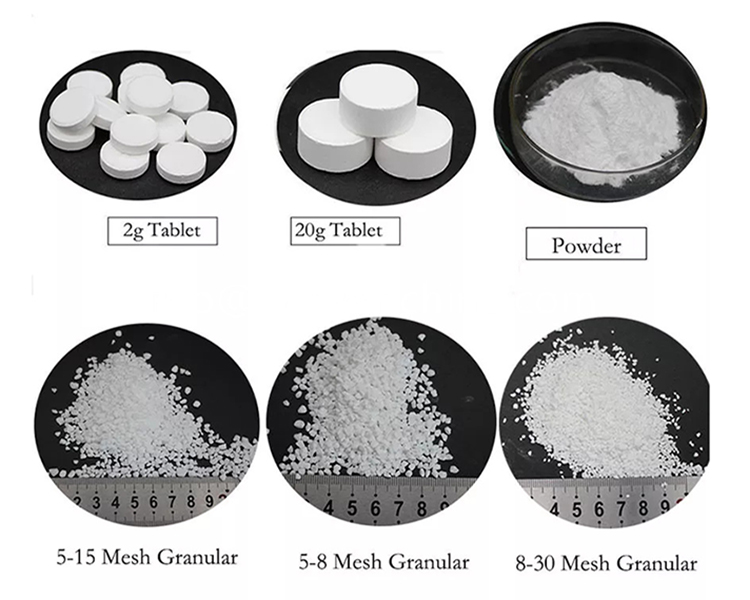
TCCA is available in multiple formulations to suit different farming needs:
| Product Type | Best Use Case | Application Method |
|---|---|---|
| Powder (90% chlorine) | Large-scale water treatment | Dissolved in water systems |
| Tablets (20g-200g) | Targeted disinfection | Direct placement or dissolution |
| Granules | Surface sanitization | Sprayed or spread applications |
Quality Standards to Consider
When sourcing affordable TCCA solutions for livestock farming professionals, verify these specifications:
- Available chlorine content ≥90%
- Moisture content ≤0.5%
- Compliance with international standards (HG/T 3779-2005 or equivalent)
- Proper packaging for stability during storage and transport
Maximizing ROI with Strategic TCCA Implementation
Bulk Procurement Advantages
B2B buyers can achieve significant cost savings through bulk ordering. Working directly with manufacturers eliminates middleman markups and ensures consistent supply chains. Many suppliers offer tiered pricing structures that reward larger volume commitments.
Integrated Biosecurity Protocols
TCCA works best as part of a comprehensive biosecurity strategy. Combine regular disinfection schedules with proper application techniques, staff training, and monitoring protocols to maximize effectiveness. Document all treatments for compliance and quality assurance purposes.
Storage and Safety Considerations
Proper storage extends product shelf life and maintains efficacy. Keep TCCA in cool, dry conditions away from incompatible materials like ammonium compounds or organic substances. Always follow safety data sheet guidelines for handling and personal protective equipment requirements.
Conclusion
Affordable TCCA solutions for livestock farming professionals represent a smart investment in operational excellence and animal health protection. By choosing the right products, implementing strategic protocols, and partnering with reliable suppliers, farm operators can achieve superior biosecurity outcomes while maintaining healthy profit margins.
The global TCCA market continues to grow, driven by increasing demand for effective, environmentally responsible disinfection solutions. Now is the ideal time to evaluate your current disinfection strategy and consider how TCCA can enhance your livestock farming operations.
Frequently Asked Questions (FAQ)
Q1: How often should TCCA be applied in livestock facilities?
A: Application frequency depends on facility type and risk level. High-risk areas may require daily treatment, while general maintenance can be weekly. Consult with agricultural specialists for customized schedules.
Q2: Is TCCA safe for use around animals?
A: When used according to manufacturer guidelines and regulatory standards, TCCA is safe for livestock environments. Ensure proper dilution and allow adequate contact time before animal exposure.
Q3: What is the shelf life of TCCA products?
A: Properly stored TCCA maintains effectiveness for 2-3 years. Keep products in original packaging, away from moisture and direct sunlight.
Q4: Can TCCA be used for drinking water treatment?
A: Yes, TCCA is approved for emergency drinking water treatment when used within specified concentration limits. Always follow local regulatory guidelines.
Q5: How do I request a quote for bulk TCCA orders?
A: Contact suppliers directly through their official websites for customized pricing based on volume, delivery location, and product specifications.
作者:Dr. Michael Harrison
