
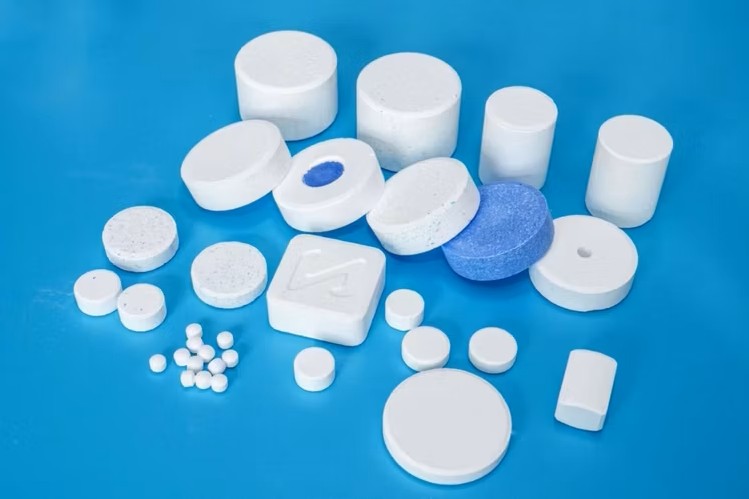
Best Calcium Hypochlorite for Disinfection: High Chlorine Content Solutions for Industrial Applications
Introduction
In the global water treatment and disinfection industry, calcium hypochlorite stands as one of the most reliable and cost-effective oxidizing agents available. For B2B purchasers, facility managers, and water treatment professionals, selecting the right calcium hypochlorite product with optimal chlorine content is critical for achieving maximum disinfection efficiency while maintaining operational cost-effectiveness.
This comprehensive technical guide examines high chlorine content calcium hypochlorite products, their specifications, performance metrics, and compliance with international industry standards. Whether you are managing municipal water treatment facilities, swimming pool complexes, industrial cooling systems, or emergency disinfection protocols, understanding the technical parameters of calcium hypochlorite will enable informed procurement decisions.
Understanding Calcium Hypochlorite Chemistry
Chemical Composition and Structure
Calcium hypochlorite, with the chemical formula Ca(OCl)₂, is an inorganic compound that serves as a powerful oxidizing and disinfecting agent. The compound’s effectiveness stems from its ability to release hypochlorous acid (HOCl) when dissolved in water, which is the primary active disinfecting species.
Key Chemical Properties:
| Property | Specification |
|---|---|
| Chemical Formula | Ca(OCl)₂ |
| CAS Number | 7778-54-3 |
| Molecular Weight | 142.98 g/mol |
| EINECS Number | 231-908-7 |
| UN Number | UN1748 |
| Appearance | White to grayish-white granular or tablet form |
| Odor | Characteristic chlorine odor |
| Solubility | Highly soluble in water (21g/100ml at 25°C) |
| Solution pH | Alkaline (10-12 depending on concentration) |
Available Chlorine Content Explained
The term “available chlorine” refers to the oxidizing capacity of the compound expressed as equivalent chlorine gas (Cl₂). This metric is essential for comparing different disinfectant products and calculating proper dosing rates.
Commercial Grade Classifications:
- Standard Grade: 39-45% available chlorine
- High-Test Grade: 65-67% available chlorine
- Premium Grade: 70-72% available chlorine
- Technical Pure: 80-85% available chlorine (laboratory/specialty applications)
For most industrial and municipal applications, the 65-70% available chlorine range offers the optimal balance between potency, stability, and cost efficiency.
Technical Performance Parameters
Disinfection Efficacy Data
High chlorine content calcium hypochlorite demonstrates superior microbial kill rates across a broad spectrum of pathogens. The following performance data is based on standardized testing protocols:
Microbial Reduction Efficiency (at 5 ppm free chlorine residual):
| Microorganism | Contact Time | Log Reduction |
|---|---|---|
| Escherichia coli | 30 seconds | >5 log |
| Salmonella typhi | 1 minute | >5 log |
| Staphylococcus aureus | 2 minutes | >4 log |
| Pseudomonas aeruginosa | 5 minutes | >4 log |
| Giardia cysts | 30 minutes | >3 log |
| Cryptosporidium oocysts | 120 minutes | >2 log |
Stability and Shelf Life
One of the significant advantages of calcium hypochlorite over liquid sodium hypochlorite is its superior storage stability. Under proper storage conditions:
- Room Temperature Storage (20-25°C): Less than 2% decomposition over 210 days
- Controlled Environment (15-20°C, low humidity): Less than 1% decomposition over 12 months
- Degradation Factors: Heat, moisture, sunlight, and acidic conditions accelerate decomposition
Recommended Storage Conditions:
- Temperature: 15-25°C (59-77°F)
- Relative Humidity: Below 50%
- Ventilation: Well-ventilated area
- Container: Original sealed packaging or airtight containers
- Separation: Keep away from organic materials, acids, and reducing agents
Industry Standards and Certifications
NSF/ANSI 60 Certification
For drinking water treatment applications, NSF/ANSI 60 certification is mandatory in North America and increasingly recognized globally. This standard ensures that the chemical product:
- Does not introduce harmful contaminants into drinking water
- Meets strict heavy metal limits (lead, arsenic, mercury, etc.)
- Has documented manufacturing quality control procedures
- Undergoes regular third-party testing and audit
AWWA Standards Compliance
The American Water Works Association (AWWA) Standard B300 specifies requirements for calcium hypochlorite used in water treatment:
- Minimum available chlorine content specifications
- Impurity limits for insoluble matter
- Packaging and labeling requirements
- Testing methodologies for quality verification
WHO Guidelines Alignment
World Health Organization guidelines for drinking water quality recommend calcium hypochlorite as an approved disinfectant when:
- Free chlorine residual of 0.2-0.5 mg/L is maintained at point of delivery
- Contact time of at least 30 minutes is achieved
- Water pH is maintained between 6.5-8.0 for optimal efficacy
International Transportation Classification
Calcium hypochlorite is classified as a Class 5.1 Oxidizing Substance under UN transportation regulations:
- UN Number: UN1748
- Proper Shipping Name: Calcium hypochlorite, dry or calcium hypochlorite mixtures, dry, with more than 39% available chlorine
- Packing Group: II or III depending on chlorine content
- Hazard Class: 5.1 (Oxidizing substances)
Application-Specific Selection Guide
Municipal Water Treatment
For municipal drinking water facilities, the following specifications are recommended:
- Available Chlorine: 65-70%
- Form: Granular or tablet (for automated dosing systems)
- Certification: NSF/ANSI 60 required
- Insoluble Matter: <5% by weight
- Heavy Metals: Must meet EPA maximum contaminant levels
Dosing Calculation Formula:
Required Product (kg/day) = (Flow Rate MLD × Desired Dose mg/L) ÷ (Available Chlorine % × 10)
Example: For 10 MLD flow with 2 mg/L chlorine dose using 70% product:
Required Product = (10 × 2) ÷ (70 × 10) = 28.6 kg/day
Swimming Pool and Recreational Water
Swimming pool applications require specific formulations:
- Available Chlorine: 65-70% (tablet form preferred)
- Dissolution Rate: Controlled release for consistent residual
- Stabilizer Compatibility: May be used with or without cyanuric acid
- pH Impact: Monitor and adjust as product raises pH
Recommended Free Chlorine Levels:
| Pool Type | Free Chlorine Range (ppm) |
|---|---|
| Residential | 1.0-3.0 |
| Commercial/Public | 3.0-5.0 |
| Competition/Olympic | 2.0-4.0 |
| Spa/Hot Tub | 3.0-5.0 |
Industrial Cooling Towers
Industrial cooling water systems benefit from calcium hypochlorite’s stability and effectiveness:
- Available Chlorine: 65-70%
- Application Method: Automated feed systems with oxidation-reduction potential (ORP) control
- Dosage Range: 0.5-2.0 ppm free chlorine residual
- Compatibility: Monitor for corrosion with metal components
Emergency and Disaster Response
For emergency water disinfection scenarios:
- Available Chlorine: 65-70% (high-test granular)
- Emergency Dosing: 8 grams per 1000 liters of clear water
- Contact Time: Minimum 30 minutes before consumption
- Turbid Water: Pre-filter and double the dosage
Food Processing and Sanitation
Food industry applications require food-grade certified products:
- Available Chlorine: 65-70%
- Certification: FDA 21 CFR 173.315 compliant
- Surface Sanitizing: 100-200 ppm available chlorine
- Equipment Sanitizing: 50-100 ppm available chlorine
- Rinse Requirements: Potable water rinse after sanitizing
Quality Verification and Testing Protocols
Incoming Product Verification
B2B purchasers should implement the following quality verification procedures:
1. Available Chlorine Testing (Iodometric Titration)
Procedure Summary:
1. Dissolve known weight of sample in distilled water
2. Add excess potassium iodide and acidify
3. Titrate liberated iodine with standardized sodium thiosulfate
4. Calculate available chlorine percentage
Acceptance Criteria: ±2% of stated available chlorine content
2. Insoluble Matter Determination
- Filter dissolved sample through pre-weighed filter paper
- Dry and weigh residue
- Calculate percentage of insoluble matter
- Maximum acceptable: 5% for water treatment grade
3. Moisture Content Analysis
- Karl Fischer titration or loss on drying method
- Maximum acceptable: 5% for granular, 3% for tablet form
4. Heavy Metal Screening
- ICP-MS or AAS analysis for lead, arsenic, mercury, cadmium
- Must meet NSF/ANSI 60 or local drinking water standards
Storage and Handling Best Practices
Warehouse Requirements:
- Dedicated oxidizer storage area
- Non-combustible construction materials
- Temperature monitoring and control systems
- Spill containment provisions
- Proper ventilation (minimum 6 air changes per hour)
Personal Protective Equipment (PPE):
- Chemical-resistant gloves (nitrile or neoprene)
- Safety goggles or face shield
- Respiratory protection for dust exposure
- Protective clothing (long sleeves, pants)
Emergency Response:
- Eye contact: Flush with water for 15 minutes, seek medical attention
- Skin contact: Remove contaminated clothing, wash with soap and water
- Inhalation: Move to fresh air, seek medical attention if symptoms persist
- Ingestion: Do not induce vomiting, seek immediate medical attention
Cost-Benefit Analysis for B2B Purchasers
Total Cost of Ownership Considerations
When evaluating calcium hypochlorite suppliers, consider the following cost factors beyond unit price:
| Cost Factor | Impact on TCO |
|---|---|
| Available Chlorine Content | Higher content = lower dosage = reduced shipping/storage costs |
| Product Stability | Less degradation = reduced waste = better value |
| Packaging Format | Tablets vs. granular affects handling equipment needs |
| Delivery Frequency | Bulk purchases reduce per-unit shipping costs |
| Technical Support | Supplier expertise reduces operational issues |
| Certification Compliance | Non-compliant products risk regulatory penalties |
Comparative Economics: 65% vs 70% Available Chlorine
Scenario: Municipal facility treating 50 MLD with 1.5 mg/L chlorine dose
| Parameter | 65% Product | 70% Product |
|---|---|---|
| Daily Product Required | 1,154 kg | 1,071 kg |
| Annual Product Required | 421 tons | 391 tons |
| Price per Ton (reference) | $1,100 | $1,150 |
| Annual Product Cost | $463,100 | $449,650 |
| Annual Savings with 70% | — | $13,450 |
| Storage Space Reduction | — | 7% less |
| Transportation Cost Reduction | — | 7% less |
Note: Actual prices vary by region, volume, and market conditions
Supplier Selection Criteria
Essential Qualifications
When selecting a calcium hypochlorite supplier for B2B procurement, verify the following:
- Manufacturing Capability: In-house production vs. trading company
- Production Capacity: Ability to meet your volume requirements consistently
- Quality Certifications: ISO 9001, NSF/ANSI 60, REACH compliance
- Testing Laboratory: In-house quality control capabilities
- Supply Chain Reliability: Raw material sourcing and inventory management
- Technical Support: Availability of application expertise and troubleshooting
- Regulatory Documentation: Safety Data Sheets, Certificates of Analysis, Regulatory Compliance Letters
- Logistics Capability: Hazardous material shipping expertise and insurance
Red Flags to Avoid
- Suppliers unable to provide current Certificates of Analysis
- Prices significantly below market average (may indicate substandard product)
- No physical manufacturing facility verification
- Inconsistent product specifications between batches
- Lack of proper hazardous material shipping documentation
- No technical support or application guidance available
Environmental and Safety Considerations
Environmental Impact
Calcium hypochlorite, when used properly, has minimal environmental impact:
- Biodegradation: Decomposes to calcium chloride, water, and oxygen
- Aquatic Toxicity: Low when used at recommended dosages
- Discharge Limits: Must comply with local regulations for chlorine residual
- Dechlorination: Sodium thiosulfate or activated carbon for neutralization before discharge
Disinfection By-Product (DBP) Management
Proper dosing and monitoring can minimize DBP formation:
- Trihalomethanes (THMs): Maintain chlorine residual below 4 mg/L
- Haloacetic Acids (HAAs): Optimize pH and contact time
- Monitoring Requirements: Regular testing per local regulations
- Alternative Strategies: Consider precursor removal before chlorination
Sustainability Initiatives
Leading manufacturers are implementing:
- Energy-efficient production processes
- Reduced packaging waste through bulk options
- Carbon footprint tracking and reduction programs
- Recycling programs for packaging materials
Conclusion
Selecting the best calcium hypochlorite for disinfection applications requires careful consideration of chlorine content, quality certifications, application requirements, and total cost of ownership. High chlorine content products (65-70% available chlorine) offer optimal performance for most industrial, municipal, and commercial applications while maintaining excellent stability and cost efficiency.
For B2B purchasers, partnering with qualified suppliers who can provide consistent quality, regulatory compliance documentation, and technical support is essential for successful long-term operations. The investment in premium-grade calcium hypochlorite with proper verification protocols pays dividends in reduced operational costs, regulatory compliance, and reliable disinfection performance.
Frequently Asked Questions (FAQ)
Q1: What is the difference between 65% and 70% available chlorine calcium hypochlorite?
A: The primary difference is the oxidizing capacity per unit weight. A 70% product contains approximately 7.7% more available chlorine than a 65% product, meaning you need less product to achieve the same disinfection effect. This translates to reduced storage requirements, lower transportation costs, and less handling. However, 70% products may carry a slightly higher unit price. The choice depends on your specific application, dosing equipment, and total cost analysis.
Q2: How long can calcium hypochlorite be stored before it loses effectiveness?
A: Under proper storage conditions (15-25°C, below 50% relative humidity, sealed containers), high-quality calcium hypochlorite maintains over 98% of its available chlorine content for 12 months. Decomposition accelerates with exposure to heat, moisture, sunlight, or air. Regular testing of stored product is recommended for critical applications, and first-in-first-out (FIFO) inventory management should be implemented.
Q3: Is calcium hypochlorite safe for drinking water treatment?
A: Yes, when the product carries NSF/ANSI 60 certification and is used according to manufacturer instructions and regulatory guidelines. NSF/ANSI 60 certification ensures the product meets strict standards for contaminants and does not introduce harmful substances into drinking water. Always verify certification documentation before procurement for drinking water applications.
Q4: Can calcium hypochlorite be used in saltwater pools?
A: Yes, calcium hypochlorite can be used in saltwater pools for shock treatment and supplemental disinfection. However, it should not be the primary sanitizer in saltwater systems, as the salt chlorine generator produces sodium hypochlorite. Using calcium hypochlorite will increase calcium hardness levels, which may require monitoring and management to prevent scaling.
Q5: What is the proper procedure for dissolving calcium hypochlorite?
A: Always add calcium hypochlorite to water, never water to the product. Use the following procedure:
- Fill a clean plastic bucket with water (never metal)
- Slowly add the required amount of calcium hypochlorite while stirring
- Continue stirring until completely dissolved
- Allow solution to settle if any insoluble matter is present
- Pour clear supernatant into dosing system
- Never mix with other chemicals, especially acids or ammonia
Q6: How do I calculate the correct dosage for my application?
A: Use this formula: Product Required (kg) = (Volume (L) × Desired Dose (mg/L)) ÷ (Available Chlorine % × 10,000). For example, to treat 100,000 liters of water with 2 mg/L chlorine using 70% product: (100,000 × 2) ÷ (70 × 10,000) = 0.286 kg or 286 grams. Always verify with residual chlorine testing after application.
Q7: What should I do if calcium hypochlorite comes into contact with skin or eyes?
A: For skin contact, immediately remove contaminated clothing and flush the area with plenty of water for at least 15 minutes. For eye contact, flush eyes with water for at least 15 minutes while holding eyelids open and seek immediate medical attention. In case of inhalation, move to fresh air immediately. For ingestion, do not induce vomiting and seek immediate medical attention. Always have Safety Data Sheets accessible and train personnel on emergency procedures.
Q8: Can calcium hypochlorite be mixed with other pool chemicals?
A: No, calcium hypochlorite should never be mixed with other pool chemicals, especially acids, ammonia, or other chlorine products. Mixing can cause dangerous reactions including fire, explosion, or toxic gas release. Always add chemicals separately to the pool water with adequate circulation time between additions. Store all chemicals separately in a well-ventilated area.
Q9: What certifications should I look for when purchasing calcium hypochlorite?
A: Key certifications include: NSF/ANSI 60 (drinking water applications), ISO 9001 (quality management), REACH compliance (European market), and local regulatory approvals. Request current Certificates of Analysis for each batch, Safety Data Sheets, and regulatory compliance documentation. For international shipments, verify UN transportation certification and proper hazardous material labeling.
Q10: How does calcium hypochlorite compare to sodium hypochlorite (liquid bleach)?
A: Calcium hypochlorite offers several advantages over liquid sodium hypochlorite:
- Higher available chlorine: 65-70% vs. 10-15% for liquid bleach
- Better stability: Months vs. weeks of shelf life
- Lower transportation costs: Solid form is more concentrated
- No degradation during storage: Liquid bleach loses strength over time
- Easier inventory management: No need for frequent replacement
However, calcium hypochlorite requires dissolution before use and adds calcium to the water, which may be a consideration for some applications.
For detailed product specifications, bulk pricing, and technical consultation, please visit our contact page to connect with our chemical solutions team.
