
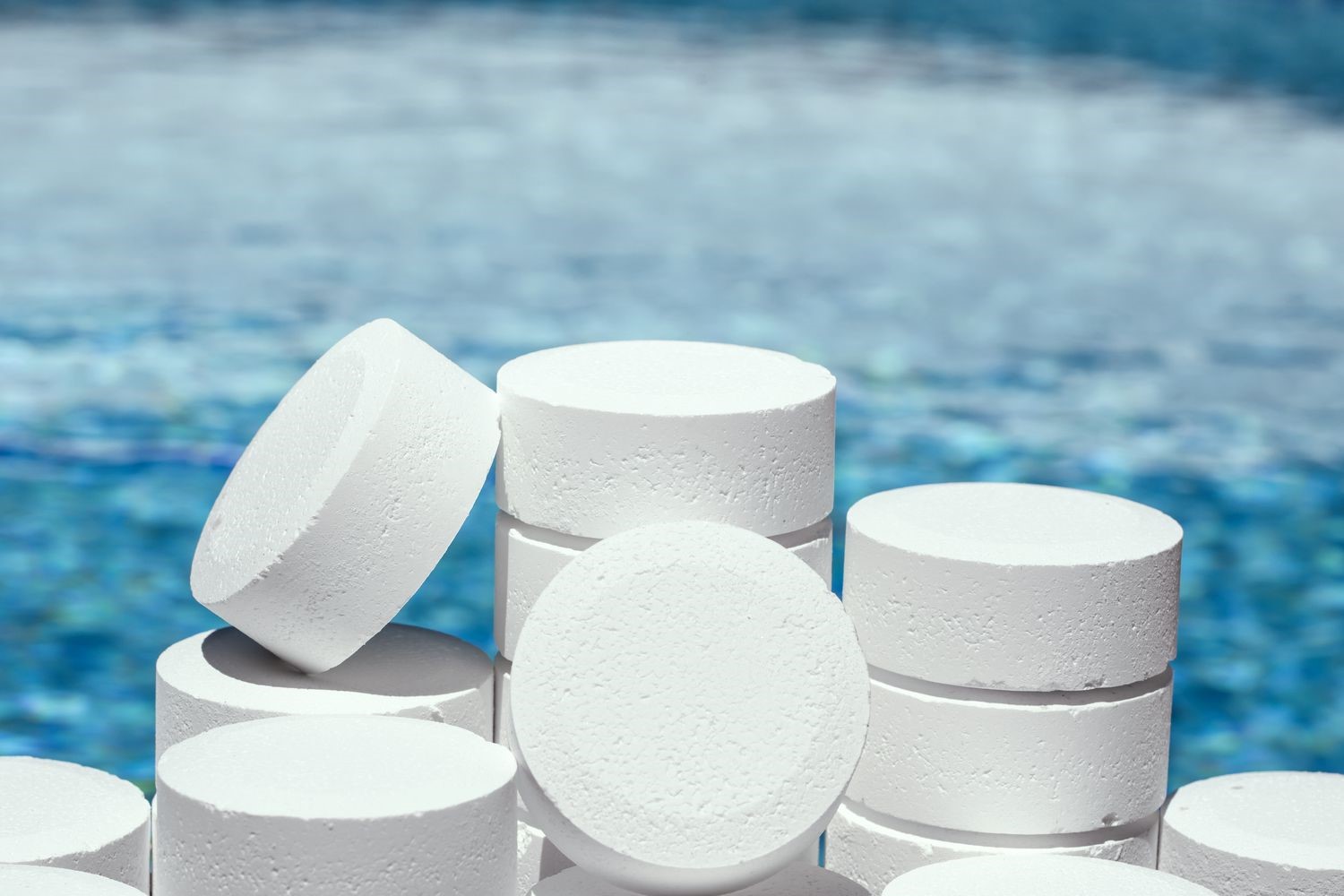
Dosage Recommendations for Calcium Hypochlorite in Water Treatment
Author: Dr. Marcus Richardson
Introduction
When it comes to water disinfection, getting the dosage right isn’t just about effectiveness—it’s about safety, compliance, and cost efficiency. Over my twenty-five years in the water treatment chemical industry, I’ve seen countless facilities struggle with one critical question: how much calcium hypochlorite should I actually use?
Calcium hypochlorite remains one of the most reliable disinfectants available today. With its high available chlorine content (typically 60-70%), stable shelf life, and proven track record across municipal, industrial, and recreational water applications, it continues to be the go-to choice for water treatment professionals worldwide. But here’s the thing—improper dosing can lead to inadequate disinfection, excessive chemical costs, or worse, regulatory violations.
In this comprehensive guide, I’ll walk you through everything you need to know about calcium hypochlorite dosage calculations, application-specific recommendations, and best practices that will help you optimize your water treatment operations.
Understanding Calcium Hypochlorite: The Basics
Chemical Properties and Composition
Calcium hypochlorite (Ca(ClO)₂), CAS number 7778-54-3, is a white granular or powdered compound with a distinctive chlorine odor. When dissolved in water, it releases hypochlorous acid—the active disinfecting agent that destroys bacteria, viruses, and other microorganisms.
What makes calcium hypochlorite particularly valuable for commercial applications is its high available chlorine concentration. Unlike sodium hypochlorite (liquid bleach), which typically contains 10-15% available chlorine, calcium hypochlorite delivers 60-70% or more. This means you’re storing and transporting significantly less volume for the same disinfection power.
Key Advantages for B2B Applications
From my experience working with municipal water plants, industrial facilities, and commercial pool operators, calcium hypochlorite offers several distinct advantages:
- Extended shelf life when stored properly (up to 2 years)
- Higher stability compared to liquid chlorine solutions
- Reduced transportation costs due to concentrated form
- Flexible dosing options for various water volumes
- Minimal pH impact compared to alternative disinfectants
Dosage Calculation Fundamentals
The Core Formula
Let me share the fundamental calculation that every water treatment professional should have memorized:
Dosage (mg/L) = (Required Chlorine Residual + Chlorine Demand) × Water Volume
But here’s where many operators make mistakes—they forget to account for the actual available chlorine percentage in their calcium hypochlorite product. The corrected formula looks like this:
Calcium Hypochlorite Required (grams) = (Target ppm × Water Volume in Liters) ÷ (Available Chlorine % × 10)
For example, if you need to achieve 2 ppm chlorine residual in 10,000 liters of water using 65% calcium hypochlorite:
(2 × 10,000) ÷ (65 × 10) = 30.77 grams
Critical Factors Affecting Dosage
Through years of field testing and client consultations, I’ve identified several variables that significantly impact your actual dosage requirements:
- Water Temperature: Colder water requires longer contact time or slightly higher dosage
- pH Levels: Optimal disinfection occurs between pH 6.5-7.5
- Organic Load: Higher contamination levels increase chlorine demand
- Contact Time: Minimum 30 minutes for effective disinfection
- Water Turbidity: Cloudy water may require pre-filtration before chlorination
Application-Specific Dosage Recommendations
Municipal Drinking Water Treatment
For public water supply systems, regulatory compliance is non-negotiable. Most jurisdictions require a minimum residual chlorine level of 0.2-0.5 mg/L at the distribution point, with typical treatment dosages ranging from 1-3 mg/L depending on source water quality.
Recommended Approach:
- Initial dosage: 2-3 mg/L for surface water sources
- Initial dosage: 1-2 mg/L for groundwater sources
- Maintain residual: 0.3-0.5 mg/L throughout distribution system
- Contact time: Minimum 30 minutes before distribution
Pro tip from the field: Always conduct jar testing before implementing full-scale dosing changes. Source water quality can vary seasonally, and your dosage should adapt accordingly.
Swimming Pool and Recreational Water
Pool operators face unique challenges—balancing disinfection effectiveness with swimmer comfort and safety. The ideal free chlorine range for commercial pools is 2-4 ppm, while residential pools can operate effectively at 1-3 ppm.
Standard Pool Dosage Guidelines:
| Pool Type | Free Chlorine Range | Shock Treatment |
|---|---|---|
| Commercial Public | 3-4 ppm | 10 ppm weekly |
| Residential | 1-3 ppm | 5 ppm bi-weekly |
| Hot Tub/Spa | 3-5 ppm | 8 ppm weekly |
For shock treatment using 65% calcium hypochlorite, approximately 140 grams per 10,000 liters will raise chlorine levels by 1 ppm.
Industrial Process Water
Industrial applications vary widely, from cooling tower treatment to process water disinfection. Dosage requirements depend heavily on specific industry standards and water reuse objectives.
Common Industrial Ranges:
- Cooling towers: 0.5-1.0 ppm continuous residual
- Process water: 1-5 ppm depending on contamination risk
- Wastewater disinfection: 5-15 ppm before discharge
Emergency Water Disinfection
In emergency situations where water safety is uncertain, the World Health Organization recommends higher dosages to ensure pathogen destruction:
- Clear water: 2 mg/L (2 ppm)
- Turbid water: 4 mg/L (4 ppm)
- Contact time: Minimum 60 minutes before consumption
Best Practices for Safe and Effective Application
Storage and Handling
Calcium hypochlorite is stable when stored correctly, but improper storage can lead to dangerous decomposition. Based on incidents I’ve investigated over the years, here are non-negotiable storage requirements:
- Temperature: Store below 25°C (77°F)
- Humidity: Keep in dry conditions (below 60% relative humidity)
- Ventilation: Ensure adequate airflow in storage areas
- Separation: Never store near organic materials, acids, or ammonia
- Container: Use original, tightly sealed containers
Dosing Equipment Selection
The right equipment makes all the difference in achieving consistent dosage. For small-scale applications, manual dissolution and pouring may suffice. However, commercial operations should invest in:
- Chemical feed pumps for precise metering
- Automated controllers with ORP/pH monitoring
- Solution tanks with proper agitation systems
- Safety interlocks to prevent overfeeding
Monitoring and Documentation
Regulatory compliance requires thorough record-keeping. Maintain logs of:
- Daily chlorine residual readings
- Dosage amounts and timestamps
- Water quality parameters (pH, temperature, turbidity)
- Equipment maintenance records
- Chemical inventory and batch numbers
Common Mistakes to Avoid
After auditing hundreds of water treatment facilities, I’ve noticed recurring errors that compromise both safety and efficiency:
Mistake #1: Ignoring Chlorine Demand
Many operators dose based solely on target residual without accounting for chlorine consumed by organic matter and contaminants. Always measure actual demand through testing.
Mistake #2: Inadequate Contact Time
Chlorine needs time to work. Rushing water through the system before the minimum contact period results in incomplete disinfection.
Mistake #3: Poor Mixing
Uneven distribution creates dead zones with insufficient chlorine levels. Ensure proper mixing throughout the treatment vessel or pipeline.
Mistake #4: Skipping Regular Testing
Water quality changes. What worked last month may not work today. Implement consistent testing schedules.
Frequently Asked Questions (FAQ)
Q1: How long does calcium hypochlorite remain effective after opening?
A: When stored properly in a cool, dry place with the container tightly sealed, opened calcium hypochlorite maintains effectiveness for 12-18 months. However, I recommend using opened containers within 6 months for critical applications and testing available chlorine content periodically.
Q2: Can I mix calcium hypochlorite with other water treatment chemicals?
A: Never mix calcium hypochlorite directly with acids, ammonia, or other chlorine products. This can release toxic gases or cause dangerous reactions. Always add chemicals separately to water with adequate mixing time between additions. Consult compatibility charts before implementing multi-chemical treatment programs.
Q3: What’s the difference between calcium hypochlorite and sodium hypochlorite for water treatment?
A: Calcium hypochlorite offers higher available chlorine (60-70% vs. 10-15%), longer shelf life, and reduced storage volume. Sodium hypochlorite is easier to dose automatically but degrades faster and requires more storage space. For most B2B applications where storage and transportation costs matter, calcium hypochlorite provides better value.
Q4: How do I calculate dosage for irregular-shaped water volumes?
A: First, determine actual water volume through measurement or calculation. For tanks, use geometric formulas. For natural water bodies, consider professional surveying. Once you have accurate volume in liters or gallons, apply the standard dosage formula. When in doubt, start conservative and adjust based on residual testing.
Q5: What safety equipment is required when handling calcium hypochlorite?
A: Minimum PPE includes chemical-resistant gloves, safety goggles, and protective clothing. For large-scale handling, add face shields and respiratory protection. Always have emergency eyewash stations and safety showers accessible in handling areas. Review SDS (Safety Data Sheet) requirements for your specific product grade.
Q6: How often should I test chlorine residual levels?
A: For municipal systems: minimum once per day, ideally continuous monitoring. For commercial pools: 2-3 times daily during operating hours. For industrial applications: per regulatory requirements, typically every 4-8 hours during operation. Emergency or high-risk situations warrant hourly testing until stability is confirmed.
Final Thoughts
Getting calcium hypochlorite dosage right is both science and art. The formulas provide the foundation, but real-world success comes from understanding your specific water quality, maintaining consistent monitoring, and adjusting based on actual conditions rather than theoretical calculations alone.
Whether you’re managing a municipal water plant, operating a commercial pool facility, or treating industrial process water, the principles outlined in this guide will help you achieve effective disinfection while maintaining safety and regulatory compliance.
Remember: when in doubt, test more frequently, start with conservative dosages, and never hesitate to consult with water treatment professionals who understand your specific application requirements.
Need personalized dosage recommendations for your facility? Our team of water treatment specialists is ready to help optimize your calcium hypochlorite application. Reach out today for a consultation tailored to your specific needs.
