
Discover High Quality Calcium Hypochlorite for Your Industrial Cleaning Needs
Introduction
In today’s rapidly evolving industrial landscape, maintaining superior sanitation and disinfection standards has become more critical than ever. Calcium hypochlorite stands as one of the most reliable and effective solutions for industrial cleaning applications worldwide. As a leading chemical compound in the disinfection industry, this powerful oxidizing agent delivers exceptional performance across multiple sectors including water treatment, food processing, healthcare facilities, and manufacturing plants.
This comprehensive guide explores everything you need to know about sourcing high-quality calcium hypochlorite for your industrial cleaning operations. Whether you’re managing a large-scale water treatment facility or operating a food production plant, understanding the properties, applications, and procurement considerations of calcium hypochlorite will help you make informed decisions that enhance operational efficiency while maintaining compliance with international safety standards.
Understanding Calcium Hypochlorite: Properties and Benefits
Chemical Composition and Characteristics
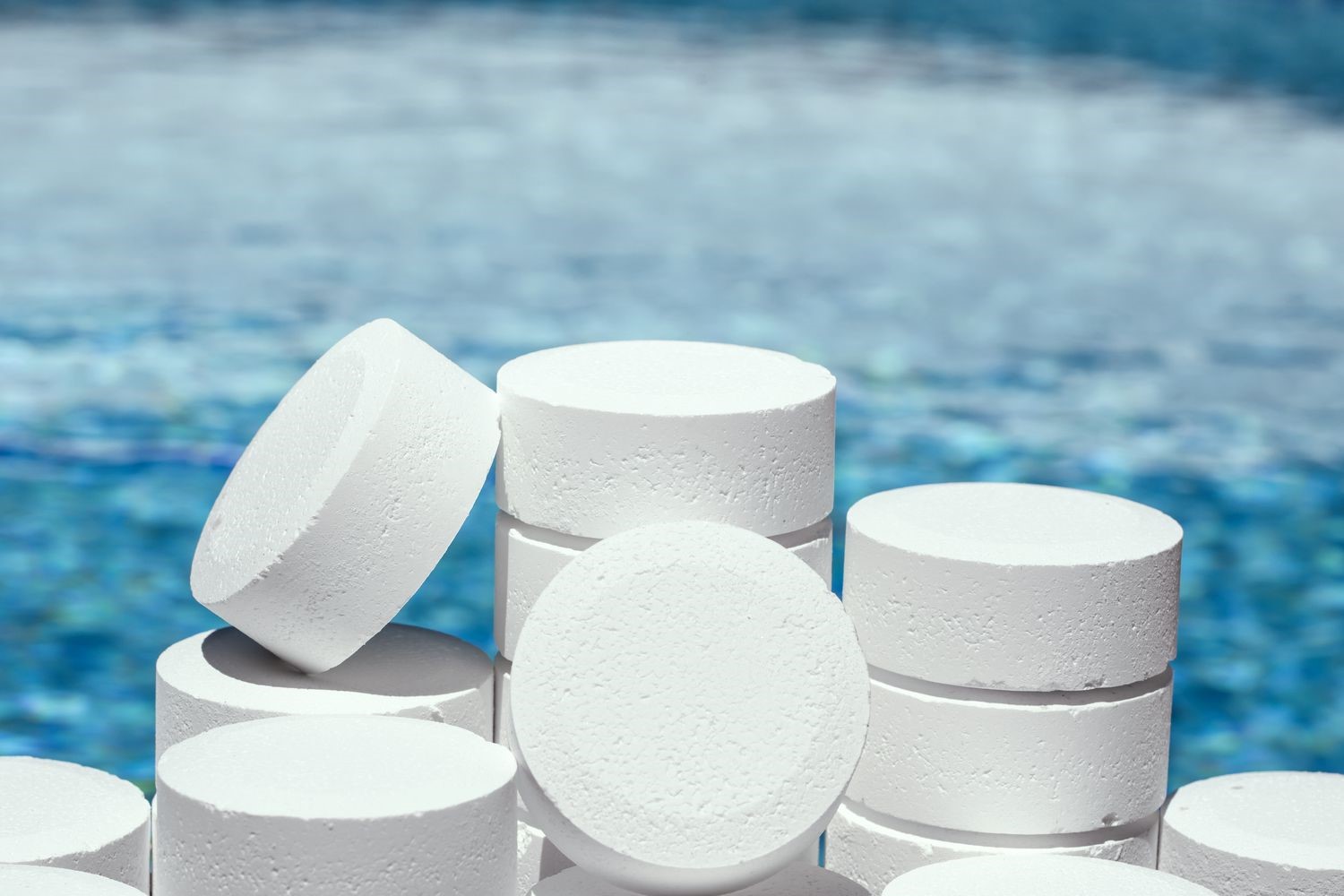
Calcium hypochlorite, with the chemical formula Ca(ClO)₂ and CAS number 7778-54-3, is a white granular or tablet-form compound that releases chlorine when dissolved in water. This compound typically contains 65-70% available chlorine, making it significantly more concentrated than liquid bleach alternatives. The high chlorine content ensures powerful disinfection capabilities while requiring smaller storage volumes compared to sodium hypochlorite solutions.
The compound exhibits a pH level of approximately 11.5 in 5% solution, creating an alkaline environment that enhances its stability and effectiveness. Its solid form provides extended shelf life, typically maintaining potency for 12-24 months when stored properly in cool, dry conditions away from direct sunlight and moisture.
Key Advantages for Industrial Applications
Superior Disinfection Power: Calcium hypochlorite delivers rapid and thorough elimination of bacteria, viruses, fungi, and other harmful microorganisms. Its strong oxidizing properties break down organic contaminants effectively, ensuring comprehensive sanitization of surfaces and water systems.
Cost-Effective Solution: The high concentration of available chlorine means less product is required per application compared to alternative disinfectants. This translates to significant cost savings for large-scale industrial operations while maintaining superior cleaning results.
Versatile Application Methods: Available in granular, tablet, and powder forms, calcium hypochlorite adapts to various dispensing systems and application requirements. This flexibility allows facilities to customize their disinfection protocols based on specific operational needs.
Stable Storage Characteristics: Unlike liquid chlorine solutions that degrade over time, solid calcium hypochlorite maintains its effectiveness during extended storage periods. This stability reduces waste and ensures consistent performance across multiple usage cycles.
Industrial Applications and Use Cases
Water Treatment Facilities
Municipal and industrial water treatment plants rely heavily on calcium hypochlorite for potable water disinfection. The compound effectively eliminates pathogenic microorganisms while maintaining residual chlorine levels throughout distribution systems. Its controlled dissolution rate allows for precise dosing, ensuring compliance with drinking water quality standards established by regulatory bodies worldwide.
Swimming pool and recreational water facilities also benefit from calcium hypochlorite’s reliable disinfection properties. The compound maintains clear, sanitary water conditions while minimizing the formation of chloramines that cause unpleasant odors and eye irritation.
Food Processing and Beverage Industry
Food safety regulations demand rigorous sanitation protocols throughout production facilities. Calcium hypochlorite serves as an approved sanitizing agent for equipment surfaces, processing lines, and storage containers. Its effectiveness against common foodborne pathogens including Salmonella, E. coli, and Listeria makes it an essential component of HACCP programs.
The compound’s low residue profile ensures minimal impact on product quality while providing thorough microbial control. Many food processing facilities utilize calcium hypochlorite solutions for CIP (Clean-in-Place) systems, enabling automated sanitation without disassembling equipment.
Healthcare and Pharmaceutical Facilities
Hospitals, clinics, and pharmaceutical manufacturing sites require hospital-grade disinfection to prevent healthcare-associated infections. Calcium hypochlorite solutions meet stringent requirements for surface disinfection in critical care areas, operating rooms, and sterilization departments.
The compound’s broad-spectrum antimicrobial activity provides reliable protection against resistant organisms, supporting infection control protocols that safeguard patient safety and regulatory compliance.
Manufacturing and Industrial Cleaning
Heavy industry facilities utilize calcium hypochlorite for equipment sanitation, cooling tower treatment, and wastewater management. The compound’s oxidizing properties help control biofilm formation in industrial water systems, preventing corrosion and maintaining operational efficiency.
Textile manufacturers employ calcium hypochlorite for bleaching processes, while paper mills use it for pulp treatment. These applications demonstrate the compound’s versatility across diverse industrial sectors.
Quality Standards and Selection Criteria
Purity and Concentration Requirements
When sourcing calcium hypochlorite for industrial applications, purity levels directly impact performance and safety. Premium-grade products typically contain 65-70% available chlorine with minimal impurities. Lower concentration products may require higher dosing rates, potentially increasing operational costs and storage requirements.
Request certificates of analysis from suppliers to verify product specifications including chlorine content, moisture levels, and heavy metal concentrations. Reputable manufacturers provide comprehensive documentation supporting product quality and regulatory compliance.
Packaging and Storage Considerations
Industrial users should evaluate packaging options based on consumption rates and handling capabilities. Common packaging formats include 25kg drums, 50kg containers, and bulk shipments for high-volume users. Proper packaging ensures product integrity during transportation and storage.
Storage facilities must maintain cool, dry conditions with adequate ventilation. Calcium hypochlorite should be kept away from organic materials, acids, and reducing agents to prevent hazardous reactions. Implementing proper storage protocols extends product shelf life and maintains workplace safety.
Supplier Evaluation Factors
Selecting the right calcium hypochlorite supplier requires careful assessment of multiple factors. Consider production capacity, quality control systems, delivery reliability, and technical support capabilities. Established manufacturers with ISO certifications demonstrate commitment to consistent quality and regulatory compliance.
Evaluate supplier responsiveness to inquiries and their ability to provide customized solutions for specific applications. Strong supplier partnerships ensure reliable product availability and ongoing support for optimization initiatives.
Safety and Regulatory Compliance
Handling and Personal Protection
Safe handling of calcium hypochlorite requires appropriate personal protective equipment including chemical-resistant gloves, safety goggles, and protective clothing. Workers should receive comprehensive training on proper handling procedures, emergency response protocols, and first aid measures.
Facilities must maintain adequate ventilation in storage and mixing areas to prevent chlorine gas accumulation. Implementing engineering controls and administrative procedures minimizes exposure risks while ensuring regulatory compliance.
Environmental Considerations
Responsible calcium hypochlorite usage includes proper disposal of spent solutions and packaging materials. Work with environmental consultants to develop waste management strategies that comply with local regulations and minimize ecological impact.
Many jurisdictions require permits for large-scale chlorine compound usage. Maintain documentation demonstrating compliance with environmental regulations and reporting requirements.
Conclusion
High-quality calcium hypochlorite represents an essential investment for industrial facilities committed to superior sanitation and disinfection standards. By understanding the compound’s properties, applications, and selection criteria, procurement professionals can make informed decisions that optimize operational performance while maintaining cost efficiency.
Partnering with reputable suppliers ensures consistent product quality and reliable delivery schedules. As industrial cleaning requirements continue evolving, calcium hypochlorite remains a proven solution delivering exceptional value across diverse applications.
Ready to enhance your industrial cleaning operations with premium calcium hypochlorite solutions? Explore our comprehensive product range and discover how our expertise can support your facility’s disinfection needs.
Frequently Asked Questions (FAQ)
Q1: What is the typical shelf life of calcium hypochlorite?
A: When stored properly in cool, dry conditions away from moisture and direct sunlight, calcium hypochlorite maintains effectiveness for 12-24 months. Regular testing of stored product ensures optimal performance.
Q2: How does calcium hypochlorite compare to sodium hypochlorite?
A: Calcium hypochlorite contains higher available chlorine concentration (65-70% vs. 10-15%), offers longer shelf life, and requires less storage space. However, it produces calcium residue that may require consideration for specific applications.
Q3: What certifications should I look for when selecting a supplier?
A: Seek suppliers with ISO 9001 quality management certification, REACH compliance documentation, and relevant industry-specific certifications. Request certificates of analysis for each batch to verify product specifications.
Q4: Can calcium hypochlorite be used for drinking water treatment?
A: Yes, calcium hypochlorite is approved for potable water disinfection when used according to regulatory guidelines. Proper dosing and monitoring ensure safe chlorine residual levels meeting drinking water standards.
Q5: What safety precautions are necessary when handling calcium hypochlorite?
A: Always wear appropriate PPE including gloves, goggles, and protective clothing. Store away from incompatible materials, maintain adequate ventilation, and ensure workers receive comprehensive safety training on handling procedures and emergency response.
