
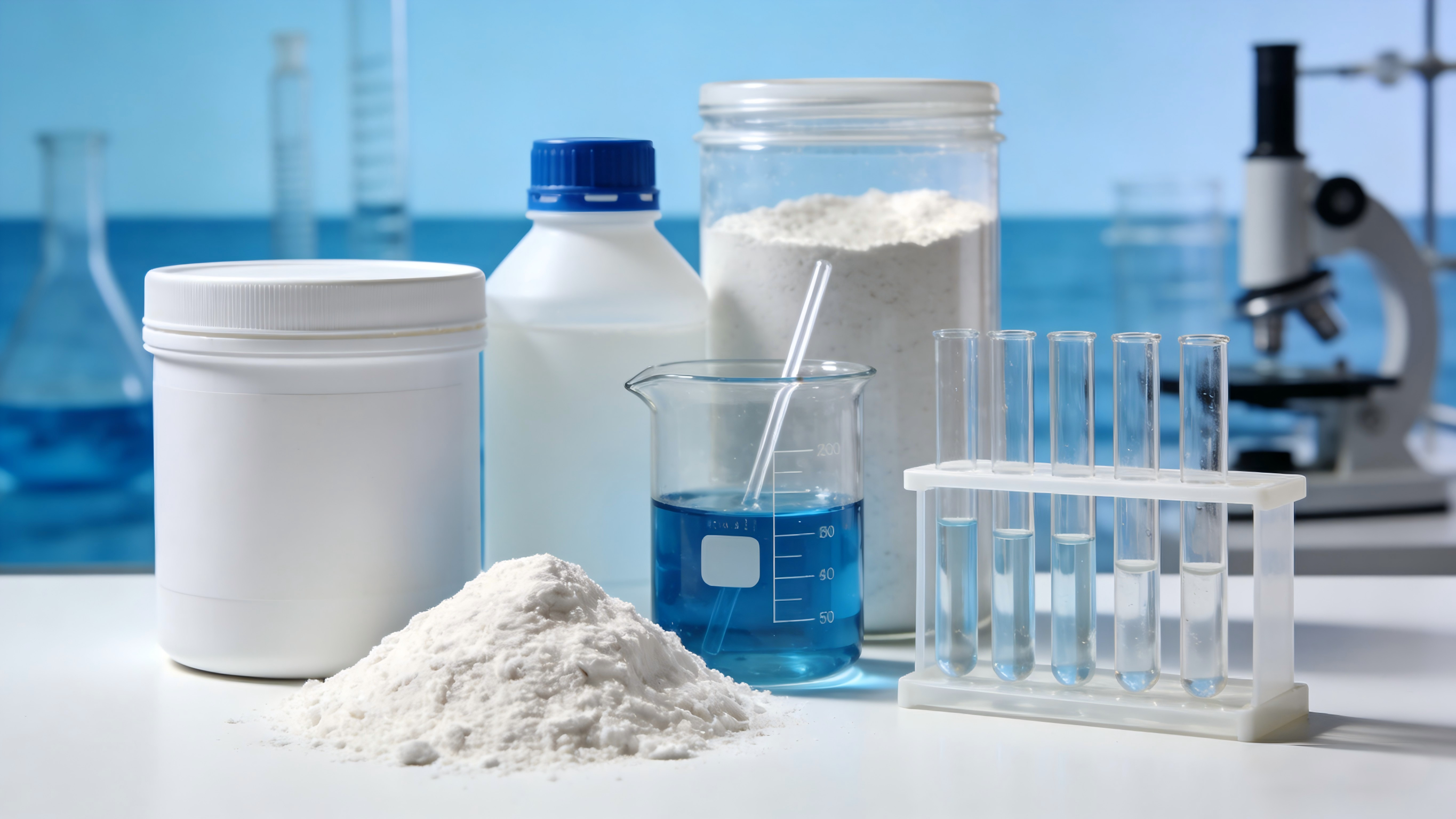
Order High Chlorine Content Calcium Hypochlorite for Livestock Farming
Biosecurity is not just a buzzword in the agricultural sector; it is the backbone of profitability and sustainability. Having spent over a decade consulting for large-scale agricultural operations, I have witnessed firsthand how a single pathogen outbreak can decimate months of hard work and investment. The difference between a thriving herd and a quarantined facility often boils down to one critical factor: effective disinfection. When it comes to securing your livestock environment, choosing the right chemical agent is paramount. This is where high chlorine content calcium hypochlorite stands out as an industry staple.
The Critical Role of Disinfection in Modern Livestock Farming
Modern livestock farming operates on thin margins. Whether you are managing poultry houses, cattle feedlots, or swine facilities, the density of animals creates an ideal breeding ground for bacteria, viruses, and fungi. Diseases like avian influenza, foot-and-mouth disease, or various forms of salmonella do not wait for an invitation. They exploit weak points in sanitation protocols.
In my experience, many farm managers underestimate the resilience of certain pathogens. Standard cleaning methods often remove visible dirt but fail to neutralize microscopic threats lurking in water lines, concrete floors, and equipment. This is why a robust chemical disinfectant is necessary. It acts as the final barrier, ensuring that the environment is not just clean, but biologically safe. The goal is to break the chain of infection before it starts, protecting both animal health and the final food product.
Why High Chlorine Content Calcium Hypochlorite?
There are numerous disinfectants on the market, ranging from quaternary ammonium compounds to iodine-based solutions. However, for broad-spectrum efficacy and cost efficiency, few competitors match high chlorine content calcium hypochlorite. Typically available in concentrations ranging from 65% to 70% available chlorine, this compound offers a powerful oxidizing capability.
Superior Oxidizing Power
The high available chlorine content means that a smaller quantity is required to achieve the same parts per million (PPM) compared to lower-grade alternatives. This is crucial for large-scale operations where storage space and logistics matter. When dissolved in water, it releases hypochlorous acid, the active agent responsible for destroying cell walls of microorganisms. It is effective against a wide array of pathogens, including those that have developed resistance to weaker sanitizers.
Stability and Shelf Life
One common complaint I hear from procurement officers is the degradation of liquid bleach during storage. Liquid sodium hypochlorite loses potency quickly, especially in hot climates. Calcium hypochlorite, particularly in granular or tablet form, offers superior stability. When stored in a cool, dry place away from direct sunlight, it maintains its chlorine content for extended periods. This reliability ensures that when you need to execute an emergency disinfection protocol, the chemical performs as expected.
Cost-Effectiveness for B2B Operations
For B2B clients, the bottom line is always a consideration. While the upfront cost per kilogram might seem higher than some alternatives, the dilution ratio tells the real story. Because of the high concentration, you use less product per liter of solution. Over the course of a year, this translates into significant savings on chemical procurement and reduced frequency of orders.
Application Scenarios in Livestock Environments
Understanding where and how to apply this chemical is just as important as purchasing it. Based on industry best practices, here are the primary areas where high chlorine content calcium hypochlorite adds value.
Water Sanitation Systems
Livestock consume vast quantities of water daily. If the water source is contaminated, no amount of surface cleaning will prevent illness. Calcium hypochlorite is ideal for treating drinking water lines. It controls biofilm buildup inside pipes, which often harbors bacteria like E. coli. By maintaining a residual chlorine level in the water system, you ensure that the water remains safe from the source to the nipple drinker.
Surface and Equipment Disinfection
After removing organic matter through washing, surfaces need to be sanitized. This includes barn floors, walls, crates, and transportation vehicles. A solution prepared from high-grade calcium hypochlorite can be sprayed or foamed onto these surfaces. It is particularly effective in foot baths placed at entry points of biosecure zones. Remember, the key is to allow sufficient contact time. Rushing this step renders even the strongest chemical ineffective.
Waste and Effluent Management
Managing manure and wastewater is a regulatory requirement in many regions. Calcium hypochlorite can be used to treat effluent before it is released or reused for irrigation. It helps reduce odor-causing bacteria and lowers the biological oxygen demand (BOD) by oxidizing organic compounds. This proactive approach helps farms stay compliant with environmental standards.
How to Order and Ensure Quality
When you decide to order high chlorine content calcium hypochlorite for livestock farming, due diligence is required. Not all suppliers adhere to the same manufacturing standards. Impurities can lead to excessive sediment in your dosing equipment or inconsistent chlorine release.
Check Specifications
Always request a Certificate of Analysis (CoA). Look for the available chlorine percentage, moisture content, and insoluble matter. For livestock applications, you generally want a product with at least 65% available chlorine and low insoluble matter to prevent clogging of spray nozzles.
Packaging and Safety
The chemical should be packed in durable, moisture-proof containers. Drum packaging is common for bulk orders, ensuring the product remains sealed until use. Safety data sheets (SDS) must be provided to ensure your handling team understands the necessary personal protective equipment (PPE). Proper training prevents accidents and ensures the longevity of your investment.
Logistics and Supply Chain
Reliability is key. A supplier who cannot deliver during peak disease seasons is a liability. Ensure your partner has a robust logistics network capable of handling hazardous materials safely. Consistency in supply means you never have to compromise on your biosecurity schedule.
Conclusion
Investing in high-quality disinfection is investing in the future of your farm. The risks associated with disease outbreaks are too high to rely on subpar chemicals. High chlorine content calcium hypochlorite offers a proven, economical, and powerful solution for maintaining biosecurity standards. By understanding its applications and sourcing from reputable providers, you safeguard your livestock, your staff, and your profitability. Do not wait for an outbreak to test your defenses. Strengthen your sanitation protocol today with the right chemical partner.
FAQ
Q1: Is calcium hypochlorite safe for use around animals?
A: When used according to recommended dilution rates, it is safe. However, animals should be removed from the area during heavy fogging or spraying. Always allow surfaces to dry or rinse drinking lines thoroughly before reintroducing animals.
Q2: How do I store this chemical properly?
A: Store in a cool, dry, well-ventilated area away from organic materials, acids, and direct sunlight. Moisture is the enemy, so keep containers tightly sealed after every use.
Q3: Can I mix this with other cleaning agents?
A: No. Never mix calcium hypochlorite with acids or ammonia-based cleaners. This can release toxic chlorine gas. Use it as a standalone disinfectant after cleaning with detergents.
Q4: What is the typical shelf life?
A: If stored correctly, high-quality calcium hypochlorite can retain its potency for up to two years. However, regular testing is recommended for critical applications.
Q5: How do I determine the correct dosage for water lines?
A: This depends on the water quality and organic load. Generally, a residual of 1-3 PPM is maintained in drinking lines. Consult with a technical expert to calculate the exact dosing pump settings for your specific system.
Author: Marcus Thorne
