
High Chlorine TCCA for Efficient Pharmaceutical Use
In the highly regulated and precision-driven world of pharmaceutical manufacturing, the choice of chemical reagents and disinfectants is never trivial. Efficiency, purity, and safety form the triad of success for any production facility. Among the various chemical solutions available, Trichloroisocyanuric Acid, commonly known as TCCA, stands out as a versatile compound. Specifically, high chlorine content TCCA has emerged as a critical asset for pharmaceutical companies seeking to optimize their synthesis processes and maintain stringent hygiene standards. This article explores why premium-grade TCCA is indispensable for modern pharmaceutical operations and how selecting the right supplier can impact your bottom line and product quality.
The Chemistry Behind High Chlorine Content
To understand the value of TCCA in the pharmaceutical sector, one must first appreciate its chemical structure and properties. Trichloroisocyanuric Acid (CAS No. 87-90-1) is an organic compound with the molecular formula C3Cl3N3O3. It is characterized by its high available chlorine content, which typically exceeds 90% in premium grades. This high chlorine concentration is what makes it a powerful oxidizing and chlorinating agent.
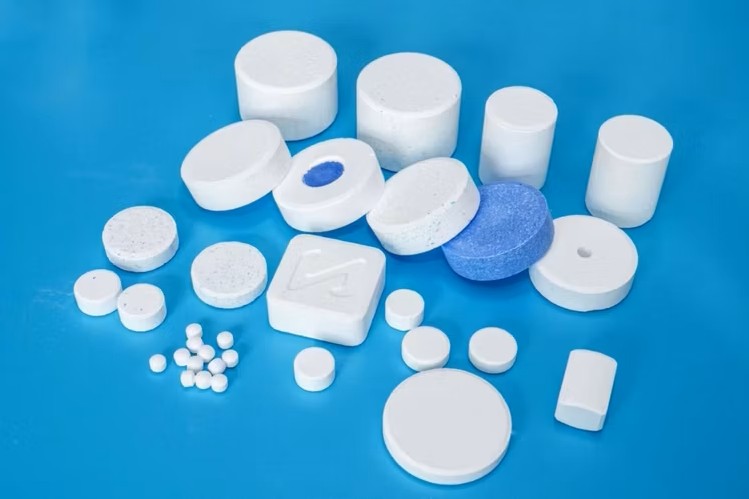
Unlike liquid chlorine solutions that degrade quickly and pose storage hazards, high chlorine TCCA is stable in its solid form, appearing as a white crystalline powder or granules. This stability is crucial for pharmaceutical supply chains where long-term storage and consistent reactivity are required. The compound releases chlorine slowly and steadily when dissolved, ensuring a controlled reaction environment. For pharmaceutical chemists, this means predictable outcomes in synthesis reactions and reliable disinfection cycles. The pH value of a 1% solution usually ranges between 2.6 and 3.2, making it acidic yet manageable with proper handling protocols. Understanding these fundamental properties allows procurement managers to specify the exact grade needed for their specific applications, minimizing waste and maximizing efficiency.
Essential Roles in Pharmaceutical Manufacturing
The application of high chlorine TCCA in the pharmaceutical industry extends beyond simple sanitation. It plays a dual role as both a synthesis reagent and a facility sterilization agent. This versatility makes it a cost-effective solution for companies looking to consolidate their chemical procurement.
Chlorination Reactions in Drug Synthesis
In organic synthesis, chlorination is a common step required to introduce chlorine atoms into molecular structures. TCCA serves as an efficient chlorinating agent for various intermediates used in drug manufacturing. Its ability to act as a source of electrophilic chlorine allows for precise modifications of organic compounds. Research indicates that TCCA can be used in solvent-free conditions or with green solvents, aligning with the industry’s push towards sustainable chemistry. For example, it is effective in the chlorination of ketones and other organic substrates. The high purity of pharmaceutical-grade TCCA ensures that no unwanted by-products contaminate the active pharmaceutical ingredients (APIs). This reduces the burden on downstream purification processes, saving time and resources during production runs.
Facility Disinfection and Water Treatment
Maintaining a sterile environment is non-negotiable in pharmaceutical production. High chlorine TCCA is widely recognized for its broad-spectrum antimicrobial properties. It effectively eliminates bacteria, viruses, fungi, and algae, making it ideal for disinfecting production equipment, floors, and water systems. In water treatment within the facility, TCCA ensures that process water meets the required purity standards without introducing harmful residues. Its slow-release mechanism provides long-lasting protection against microbial regrowth in cooling towers and storage tanks. By integrating TCCA into their sanitation protocols, pharmaceutical companies can achieve higher compliance scores during audits and reduce the risk of product contamination.
Ensuring Compliance and Safety in Pharma Supply Chains
Working with high chlorine chemicals requires strict adherence to safety and regulatory standards. Pharmaceutical buyers must ensure that their TCCA suppliers comply with international quality management systems. Key indicators of a reliable supplier include ISO certification and the ability to provide comprehensive Certificates of Analysis (CoA) for every batch.
Safety data sheets (SDS) must be up-to-date and accessible, detailing proper handling, storage, and emergency measures. Since TCCA can release toxic chlorine gas if mixed with acids or ammonia, staff training is essential. Furthermore, regulatory bodies often require documentation proving that the chemicals used do not leave harmful residues in the final product. High-quality TCCA decomposes into non-toxic substances, which simplifies the regulatory approval process for new drugs. Suppliers who understand these regulatory landscapes can provide valuable support, helping pharmaceutical companies navigate complex compliance requirements. Choosing a partner who prioritizes safety and documentation reduces liability and ensures uninterrupted production schedules.
Why Partner with a Specialized TCCA Supplier
Not all chemical suppliers are equipped to meet the rigorous demands of the pharmaceutical industry. Partnering with a specialized supplier offers distinct advantages that go beyond pricing. Specialized vendors understand the critical nature of batch consistency. In pharmaceutical manufacturing, a variation in chemical purity can lead to failed batches, resulting in significant financial losses. A dedicated supplier invests in advanced quality control laboratories to test effective chlorine content, moisture levels, and heavy metal impurities before shipment.
Logistics is another critical factor. TCCA must be transported in dry, ventilated conditions to prevent degradation. Experienced suppliers have established logistics networks that ensure timely delivery while maintaining product integrity. They also offer technical support, assisting clients in optimizing dosage rates for both synthesis and disinfection applications. This collaborative approach helps pharmaceutical companies improve their operational efficiency. Moreover, specialized suppliers are better positioned to handle large-scale orders and manage inventory fluctuations, providing a stable supply chain buffer against market volatility. By viewing the supplier as a strategic partner rather than just a vendor, pharmaceutical firms can enhance their overall production resilience.
FAQ
Q: What is the typical effective chlorine content for pharmaceutical-grade TCCA?
A: For pharmaceutical applications, the effective chlorine content should typically be 90% or higher. High-purity grades ensure minimal impurities that could interfere with sensitive reactions or sanitation processes.
Q: Is TCCA safe for use in facilities producing injectable drugs?
A: Yes, when used according to safety guidelines and proper dilution protocols. It is effective for surface disinfection and water treatment. However, direct contact with the drug product should be avoided unless specified in the formulation process, and residue testing is recommended.
Q: How should High Chlorine TCCA be stored to maintain stability?
A: TCCA should be stored in a cool, dry, and well-ventilated area, away from acids, ammonia, and organic materials. Moisture control is critical, as high humidity can lead to premature decomposition and chlorine release.
Q: Can TCCA be used for wastewater treatment in pharmaceutical plants?
A: Absolutely. TCCA is highly effective in treating industrial wastewater by neutralizing pathogens before discharge. It helps facilities meet environmental regulations regarding microbial limits in effluent water.
Q: What documentation should I request from a TCCA supplier?
A: Always request a Certificate of Analysis (CoA), Safety Data Sheet (SDS), and proof of ISO certification. For pharmaceutical use, additional documentation regarding heavy metal testing and stability data is advisable.
Conclusion
The integration of High Chlorine TCCA into pharmaceutical operations offers a pathway to greater efficiency, safety, and compliance. Its dual functionality as a synthesis reagent and disinfectant makes it a valuable component in the chemical inventory of any forward-thinking pharmaceutical company. However, the benefits are only fully realized when sourcing from a reputable supplier who prioritizes quality and consistency. By understanding the chemical properties, applications, and safety requirements associated with TCCA, procurement leaders can make informed decisions that protect their production lines and enhance product quality.
For pharmaceutical companies seeking reliable partners for high-quality chemical solutions, establishing a connection with a trusted manufacturer is the next logical step. We invite you to explore our comprehensive range of industrial chemicals and discuss how we can support your specific production needs.
