
Ultimate Guide to SDIC Procurement for Livestock Farming
Author: Dr. Marcus Wellington
Introduction: Why Water Quality Matters in Modern Livestock Operations
After spending over fifteen years in the water treatment chemical industry, I’ve witnessed firsthand how critical proper disinfection protocols are for livestock health. Today’s farming operations face unprecedented challenges—disease outbreaks, regulatory pressures, and consumer demands for safer animal products all converge on one fundamental requirement: clean, safe water.
Sodium Dichloroisocyanurate (SDIC) has emerged as a cornerstone solution for livestock water disinfection. This comprehensive guide will walk you through everything you need to know about procuring SDIC for your farming operations, from understanding its benefits to selecting the right supplier.
What Is SDIC and How Does It Work?
Chemical Composition and Properties
Sodium Dichloroisocyanurate, commonly abbreviated as SDIC or NaDCC, is a stable chlorine-based disinfectant with the chemical formula C₃Cl₂N₃NaO₃. Its CAS number is 2893-78-9, which you’ll need when requesting safety documentation from suppliers.
What makes SDIC particularly valuable for agricultural applications is its dual-action mechanism. Upon dissolution in water, it releases hypochlorous acid—the same active ingredient found in household bleach—but with significantly enhanced stability and controlled release properties. This means your livestock receive consistent protection throughout the day, not just immediately after treatment.
Available Forms and Concentrations
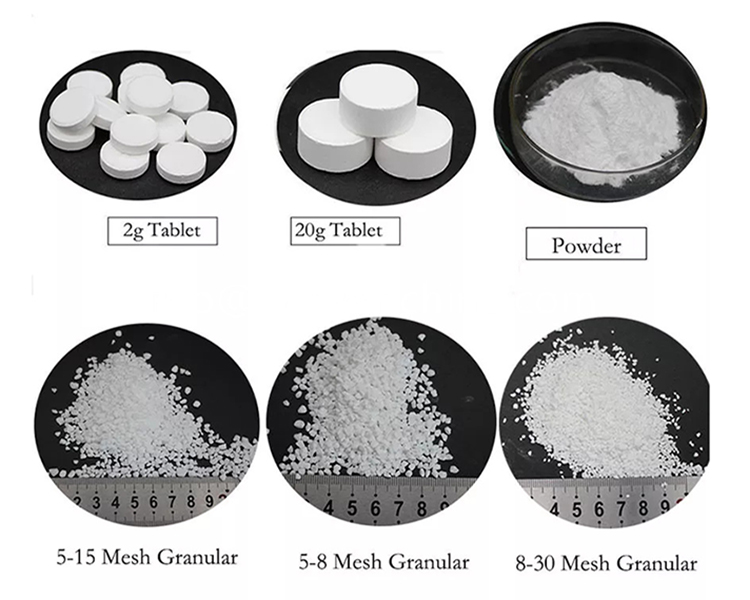
SDIC typically comes in two primary forms:
- Powder/Granular: Available in 8-30 mesh or 16-36 mesh sizes, ideal for large-scale water treatment systems
- Tablets: Pre-measured doses perfect for smaller operations or precise dosing requirements
The active chlorine content generally ranges from 56% to 60%, though premium grades can reach higher concentrations. When procuring SDIC, always verify the exact chlorine content as this directly impacts your dosing calculations and overall cost-effectiveness.
Why Livestock Farms Need SDIC Disinfection
Disease Prevention and Biosecurity
Contaminated water represents one of the most significant disease transmission vectors in livestock operations. Pathogens including E. coli, Salmonella, and various viral agents can spread rapidly through shared water systems. SDIC provides broad-spectrum antimicrobial activity that effectively neutralizes these threats before they reach your animals.
From my experience consulting with poultry and swine operations, farms implementing consistent SDIC water treatment protocols report up to 40% reduction in waterborne illness incidents. The return on investment becomes clear when you consider veterinary costs, mortality rates, and productivity losses from sick animals.
Regulatory Compliance
Government agencies worldwide are tightening regulations around livestock water quality. The European Union, United States EPA, and other regulatory bodies increasingly require documented water treatment protocols. SDIC offers several compliance advantages:
- Well-documented safety profile with decades of usage data
- Easily measurable residual chlorine levels for record-keeping
- Approved for use in animal drinking water applications across multiple jurisdictions
Cost Efficiency Compared to Alternatives
When evaluating disinfection options, many farm managers initially focus on upfront costs. However, SDIC’s stability means less frequent application, reduced chemical waste, and lower labor requirements. Liquid chlorine alternatives may appear cheaper per unit, but their rapid degradation often results in higher total costs over time.
Key Considerations When Procuring SDIC
Quality Certification Requirements
Not all SDIC products meet agricultural-grade standards. When requesting quotes from suppliers, insist on the following documentation:
- Certificate of Analysis (CoA): Verifies active chlorine content and impurity levels
- Safety Data Sheet (SDS): Essential for proper handling and regulatory compliance
- Third-party testing reports: Independent verification of product specifications
- Manufacturing date and shelf life information: SDIC typically maintains potency for 2-3 years when stored properly
Supplier Evaluation Criteria
I’ve learned through difficult experience that the cheapest option rarely proves most economical long-term. Evaluate potential SDIC suppliers using these factors:
Production Capacity: Can they consistently meet your volume requirements, especially during peak seasons?
Technical Support: Do they provide dosing guidance and troubleshooting assistance?
Logistics Capabilities: What’s their track record for on-time delivery? SDIC is classified as an oxidizer, requiring special shipping considerations.
Reputation and References: Request contact information for existing agricultural clients. Their experiences will tell you more than any marketing material.
Pricing Structure Understanding
SDIC pricing typically ranges from $12 to $20 per kilogram depending on purity, quantity, and regional factors. Bulk purchases (tonnage quantities) usually command significant discounts. Be wary of prices substantially below market average—this often indicates inferior quality or questionable supply chain practices.
Safe Handling and Application Guidelines
Storage Requirements
Proper storage extends product life and maintains safety:
- Keep in original, sealed containers
- Store in cool, dry, well-ventilated areas
- Maintain temperature between 15-25°C (59-77°F)
- Separate from organic materials, acids, and reducing agents
- Implement first-in-first-out inventory rotation
Dosing Recommendations
Optimal dosing depends on your specific operation, water quality, and animal type. General guidelines include:
- Poultry: 2-4 ppm residual chlorine in drinking lines
- Swine: 3-5 ppm for general disinfection
- Cattle: 2-3 ppm typically sufficient
Always test water before and after treatment. Maintain records of all dosing activities for regulatory compliance and operational optimization.
Safety Precautions
While SDIC is safer than many alternatives, proper handling remains essential:
- Wear appropriate PPE including gloves and eye protection
- Avoid inhaling dust during powder handling
- Never mix with acids or ammonia-based products
- Ensure adequate ventilation in storage and mixing areas
- Train all personnel on emergency procedures
Common Procurement Mistakes to Avoid
Based on my consultations with hundreds of farming operations, these errors appear repeatedly:
Purchasing Without Testing: Always request samples before committing to large orders. Test for dissolution rate, chlorine content, and stability.
Ignoring Shelf Life: SDIC degrades over time, especially in humid conditions. Calculate your annual usage and purchase accordingly.
Overlooking Total Cost: Factor in shipping, storage, handling labor, and potential waste when comparing suppliers.
Skipping Technical Consultation: Reputable suppliers offer free technical support. Use this resource to optimize your treatment program.
Frequently Asked Questions
Q: How long does SDIC remain effective in livestock water systems?
A: Properly dosed SDIC typically maintains effective residual chlorine levels for 24-48 hours in closed systems. Open water sources may require more frequent treatment due to environmental factors like sunlight and organic load.
Q: Can SDIC be used in organic livestock operations?
A: Regulations vary by certification body and region. Some organic standards permit limited SDIC use for water disinfection, while others restrict chlorine-based products. Consult your certifying agency before implementation.
Q: What’s the difference between SDIC and TCCA for livestock applications?
A: Both are chlorine-based disinfectants, but SDIC dissolves more readily and offers better pH stability. TCCA (Trichloroisocyanuric Acid) may be more cost-effective for very large operations but requires more careful handling.
Q: How do I verify SDIC quality upon delivery?
A: Request a Certificate of Analysis with each shipment. Conduct independent testing for active chlorine content using standard titration methods. Check packaging integrity and manufacturing dates.
Q: What should I do if SDIC prices fluctuate significantly?
A: Raw material costs, energy prices, and logistics factors all influence SDIC pricing. Consider long-term supply agreements with price adjustment clauses to manage budget uncertainty.
Making the Right Decision for Your Operation
Procuring SDIC for livestock farming isn’t just about finding the lowest price—it’s about partnering with a supplier who understands your operational challenges and can support your long-term success. The right SDIC program protects your animals, ensures regulatory compliance, and ultimately safeguards your bottom line.
Take time to evaluate multiple suppliers, request samples, and verify credentials. The investment in thorough vendor selection pays dividends through consistent product quality, reliable delivery, and expert technical support when you need it most.
Your livestock deserve clean, safe water. With proper SDIC procurement and application, you can deliver exactly that while maintaining operational efficiency and regulatory compliance.
Ready to discuss your SDIC requirements? Our team of water treatment specialists stands ready to provide customized solutions for your livestock operation.
Visit our contact page to request a quote
About the Author: Dr. Marcus Wellington brings 15+ years of experience in agricultural water treatment chemistry. He has consulted with livestock operations across North America, Europe, and Asia, specializing in disinfection protocol optimization and regulatory compliance strategies.
