
SDIC vs Alternatives: Best Choice for Pharmaceutical
Introduction
In the pharmaceutical industry, selecting the right disinfectant is critical for maintaining product quality, ensuring patient safety, and complying with stringent regulatory standards. Among various options, Sodium Dichloroisocyanurate (SDIC) has emerged as a popular choice for pharmaceutical manufacturers worldwide. However, with multiple alternatives available in the market, including TCCA, sodium hypochlorite, and chlorine dioxide, making the right decision requires careful evaluation of multiple factors.
This comprehensive guide examines SDIC versus its alternatives, providing pharmaceutical professionals with evidence-based insights to make informed procurement decisions. Whether you are responsible for facility sanitation, equipment sterilization, or water treatment in pharmaceutical manufacturing, understanding the strengths and limitations of each option is essential for optimizing your operations.
Understanding SDIC: Properties and Applications
Chemical Characteristics
Sodium Dichloroisocyanurate, commonly known as SDIC or NaDCC, carries the CAS number 2893-78-9 with the molecular formula C₃Cl₂N₃NaO₃. This white crystalline powder or granular substance contains 56%-60% available chlorine, making it a powerful oxidizing agent with broad-spectrum antimicrobial properties.
Pharmaceutical Applications
SDIC serves multiple functions in pharmaceutical manufacturing:
- Equipment Sanitization: Effective for sterilizing production equipment and containers
- Water Treatment: Ensures purified water systems remain free from microbial contamination
- Surface Disinfection: Suitable for cleanroom surfaces and controlled environments
- Process Water Treatment: Maintains water quality in various manufacturing processes
The compound’s stability and controlled chlorine release make it particularly valuable for applications requiring consistent disinfectant performance over extended periods.
Key Alternatives to SDIC
Trichloroisocyanuric Acid (TCCA)
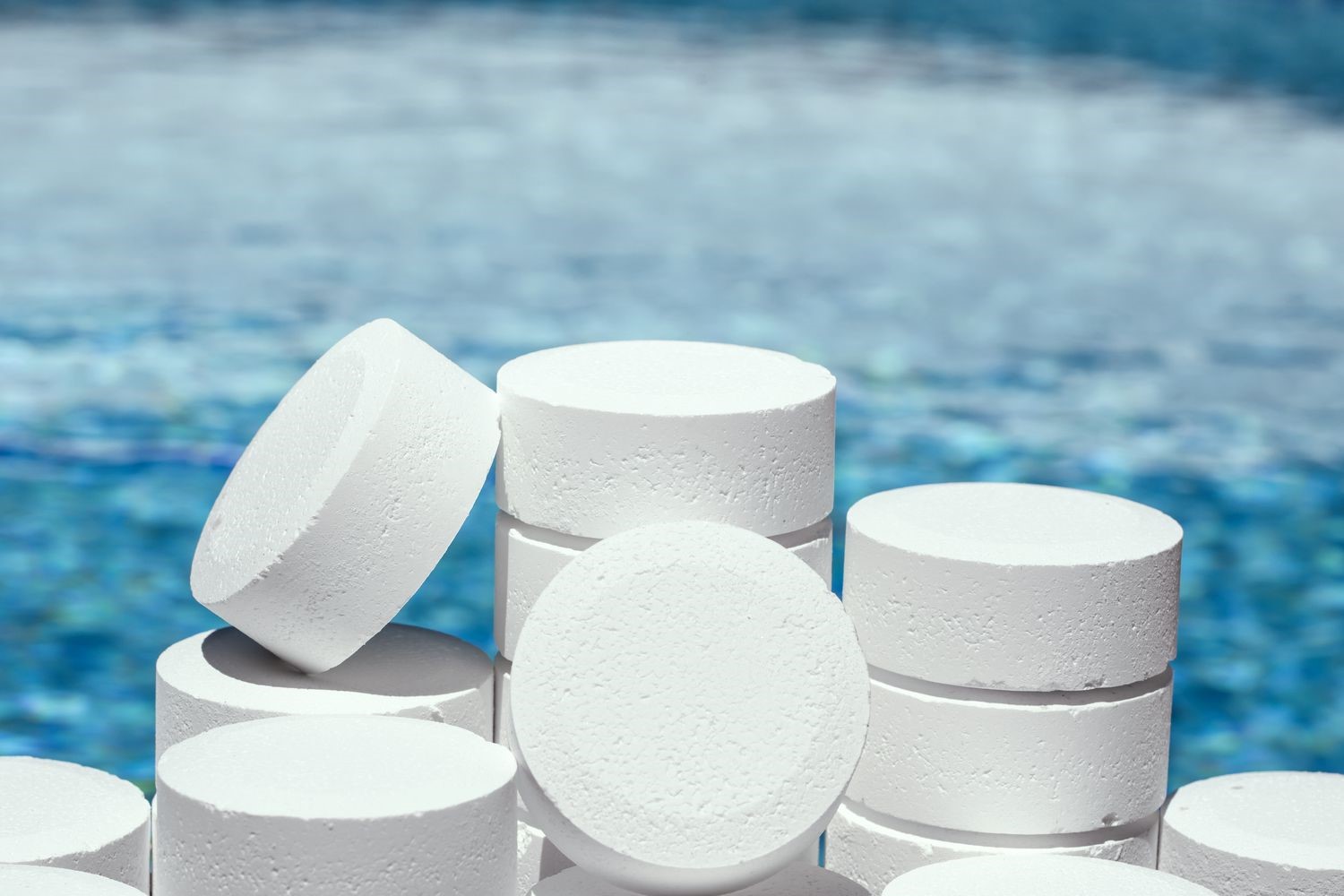
TCCA represents a closely related alternative with higher available chlorine content (approximately 90%). While offering stronger disinfecting power, TCCA presents different handling requirements and solubility characteristics compared to SDIC.
Sodium Hypochlorite
Commonly known as bleach, sodium hypochlorite provides immediate disinfection but suffers from stability issues. The compound decomposes rapidly, requiring frequent preparation and careful storage conditions that may not suit all pharmaceutical facilities.
Chlorine Dioxide
This alternative offers excellent microbial control with reduced formation of harmful by-products. However, chlorine dioxide requires on-site generation equipment and specialized handling procedures, increasing operational complexity and costs.
Comparative Analysis: SDIC vs Alternatives
Efficacy Comparison
| Parameter | SDIC | TCCA | Sodium Hypochlorite | Chlorine Dioxide |
|---|---|---|---|---|
| Available Chlorine | 56-60% | ~90% | 10-15% | Variable |
| Stability | High | High | Low | Requires Generation |
| Solubility | Excellent | Moderate | Excellent | Gas/Liquid |
| Residual Effect | Good | Good | Limited | Limited |
GMP Compliance Considerations
Pharmaceutical manufacturers must ensure their disinfectant choices align with Good Manufacturing Practice requirements. SDIC offers several advantages:
- Consistent Quality: Stable composition ensures reliable performance batch after batch
- Documentation Support: Well-established safety profiles facilitate regulatory submissions
- Validation Friendly: Predictable behavior simplifies cleaning validation protocols
- Residue Management: Breaks down into manageable by-products that can be effectively removed
Cost-Effectiveness Analysis
While initial purchase price matters, total cost of ownership provides a more accurate comparison:
- SDIC: Moderate initial cost, low storage requirements, extended shelf life
- TCCA: Higher concentration may reduce volume needs but requires careful handling
- Sodium Hypochlorite: Low initial cost but frequent replacement increases long-term expenses
- Chlorine Dioxide: High equipment investment with ongoing operational costs
Making the Right Choice for Your Pharmaceutical Operation
Facility-Specific Factors
Consider your unique operational requirements when selecting a disinfectant:
- Water Quality Requirements: Purified water systems may benefit from SDIC’s controlled release
- Equipment Compatibility: Evaluate material compatibility with your specific equipment
- Storage Capabilities: Assess available storage space and environmental controls
- Staff Training: Consider handling complexity and training requirements
Regulatory Alignment
Ensure your selection supports compliance with:
- FDA regulations for pharmaceutical manufacturing
- EU GMP guidelines for European operations
- Local regulatory requirements in your manufacturing jurisdiction
- Industry-specific standards for your product categories
Implementation Best Practices
Successful disinfectant programs require:
- Comprehensive validation protocols
- Regular monitoring and testing
- Staff training on proper handling procedures
- Documentation systems for traceability
- Emergency response procedures for accidental exposure
Conclusion
SDIC represents an excellent choice for many pharmaceutical applications, offering a balance of efficacy, stability, and regulatory compliance. While alternatives like TCCA, sodium hypochlorite, and chlorine dioxide have their places in specific scenarios, SDIC’s consistent performance and manageable handling requirements make it a preferred option for many pharmaceutical manufacturers.
The decision ultimately depends on your specific operational needs, regulatory environment, and quality objectives. We recommend conducting thorough evaluation and validation before implementing any disinfectant program. Our technical team stands ready to provide customized solutions and support your pharmaceutical manufacturing excellence.
For detailed product specifications, pricing information, or technical consultation, please reach out to our specialists who understand pharmaceutical industry requirements.
Frequently Asked Questions (FAQ)
Q1: Is SDIC suitable for all pharmaceutical manufacturing areas?
A: SDIC is appropriate for most pharmaceutical manufacturing areas including equipment sanitization, water treatment, and surface disinfection. However, specific applications should be validated according to your facility’s SOPs and regulatory requirements.
Q2: How does SDIC compare to TCCA in terms of safety?
A: SDIC generally offers safer handling characteristics compared to TCCA due to its lower available chlorine concentration and more controlled release profile. Both require proper handling procedures, but SDIC presents lower risks during routine operations.
Q3: What is the shelf life of pharmaceutical-grade SDIC?
A: Properly stored SDIC typically maintains effectiveness for 24-36 months. Storage conditions should include cool, dry environments away from direct sunlight and incompatible materials.
Q4: Can SDIC be used in purified water systems?
A: Yes, SDIC is commonly used in pharmaceutical water systems. However, concentration levels must be carefully controlled and validated to ensure no adverse impact on water quality parameters.
Q5: What documentation is available for regulatory submissions?
A: Comprehensive documentation including Certificates of Analysis, Safety Data Sheets, and technical specifications are available to support regulatory filings and audit requirements.
Q6: How do I validate SDIC effectiveness in my facility?
A: Validation should include microbial challenge studies, residue testing, and compatibility assessments following your quality system procedures. Our technical team can provide validation support protocols.
Q7: Are there any known incompatibilities with pharmaceutical materials?
A: SDIC may interact with certain metals and organic materials. Compatibility testing with your specific equipment and materials is recommended before full-scale implementation.
Q8: What training is required for staff handling SDIC?
A: Staff should receive training on proper handling, storage, emergency procedures, and personal protective equipment requirements according to your facility’s safety protocols.
