
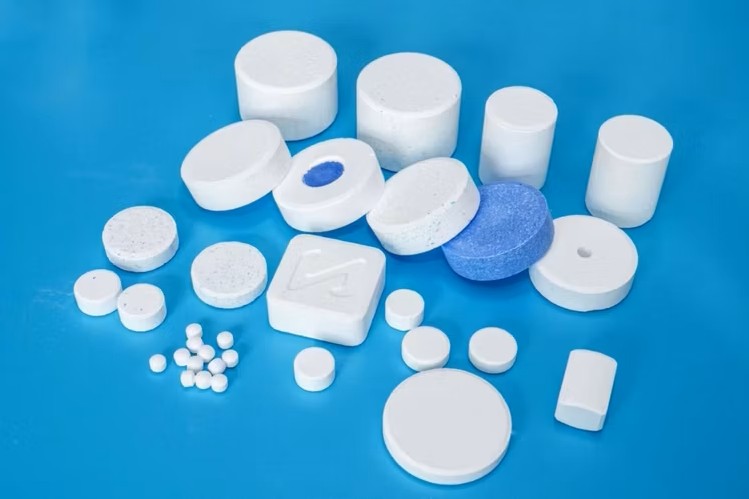
Comparison of Calcium Hypochlorite in Food Processing
Introduction
In today’s competitive food industry, maintaining exceptional sanitation standards is not optional—it’s essential. Calcium Hypochlorite has emerged as a cornerstone disinfectant solution for food processing facilities worldwide. As regulatory requirements tighten and consumer expectations rise, food manufacturers must adopt reliable, cost-effective sanitization methods that ensure product safety without compromising operational efficiency.
This comprehensive guide explores the critical role of Calcium Hypochlorite in food processing, examining its applications, safety protocols, concentration guidelines, and comparative advantages. Whether you operate a fresh produce facility, dairy processing plant, or beverage manufacturing unit, understanding this powerful disinfectant can transform your food safety program.
What is Calcium Hypochlorite?
Calcium Hypochlorite (chemical formula: Ca(OCl)₂) is a white, granular compound with strong oxidizing properties. With a typical available chlorine content ranging from 65% to 70%, it delivers potent antimicrobial action against bacteria, viruses, and fungi commonly found in food processing environments.
Unlike liquid bleach alternatives, Calcium Hypochlorite offers superior stability, extended shelf life, and easier storage requirements. Its high solubility in water makes it ideal for creating sanitizing solutions at various concentrations, providing flexibility for different food processing applications.
Key Applications in Food Processing
Water Treatment and Sanitization
The primary application of Calcium Hypochlorite in food processing involves water treatment. Processing facilities require large volumes of clean water for washing raw materials, equipment cleaning, and facility sanitation. Calcium Hypochlorite effectively eliminates pathogenic microorganisms from water supplies, ensuring compliance with food safety standards.
Surface Disinfection
Food contact surfaces represent critical contamination points. Regular sanitization with Calcium Hypochlorite solutions prevents biofilm formation and cross-contamination between production batches. This is particularly important in facilities handling ready-to-eat products where post-processing contamination poses significant risks.
Fresh Produce Washing
Fresh-cut fruits and vegetables require careful sanitization to extend shelf life while maintaining quality. Studies demonstrate that Calcium Hypochlorite solutions at appropriate concentrations effectively reduce microbial loads on produce surfaces without affecting texture, color, or nutritional value.
Equipment Cleaning Protocol
Processing equipment, including conveyors, cutting blades, and storage tanks, demands thorough sanitization between production runs. Calcium Hypochlorite provides reliable disinfection performance while remaining compatible with most food-grade equipment materials when used according to manufacturer guidelines.
Safety Standards and Regulatory Compliance
FDA Regulations
The U.S. Food and Drug Administration (FDA) regulates Calcium Hypochlorite use under 21 CFR guidelines for food contact substances. Facilities must ensure proper documentation, concentration monitoring, and residue testing to maintain compliance. Recent 2025 FDA updates emphasize enhanced transparency in food-related chemical assessments, making proper record-keeping more critical than ever.
International Standards
Global food processors must navigate varying regulatory landscapes. The European Union, Codex Alimentarius, and other international bodies establish maximum residue limits and approved application methods. Working with reputable Calcium Hypochlorite suppliers who provide comprehensive compliance documentation simplifies regulatory adherence across multiple markets.
HACCP Integration
Effective food safety programs integrate Calcium Hypochlorite usage within Hazard Analysis Critical Control Point (HACCP) frameworks. Critical control points should include concentration verification, contact time monitoring, and rinse water testing where applicable.
Optimal Concentration Levels
Recommended ppm Ranges
Concentration requirements vary by application:
- Process Water: 50-100 ppm free chlorine
- Surface Sanitization: 100-200 ppm free chlorine
- Fresh Produce Washing: 50-150 ppm free chlorine
- Equipment Disinfection: 200-400 ppm free chlorine
Monitoring and Testing
Regular testing ensures solution effectiveness. Digital chlorine meters, test strips, and titration kits provide accurate concentration measurements. Facilities should establish testing schedules aligned with production volumes and risk assessments.
Temperature and pH Considerations
Solution effectiveness depends on water temperature and pH levels. Calcium Hypochlorite performs optimally at pH 6.5-7.5 and temperatures between 15-25°C. Extreme conditions may require concentration adjustments or alternative sanitization approaches.
Best Practices for Implementation
Storage and Handling
Proper storage prevents degradation and safety hazards. Keep Calcium Hypochlorite in cool, dry areas away from organic materials, acids, and reducing agents. Original containers should remain sealed until use, with clear labeling and segregation from incompatible substances.
Solution Preparation
Always add Calcium Hypochlorite to water—not water to chemical—to minimize splashing and ensure proper dissolution. Prepare fresh solutions daily, as chlorine concentration decreases over time. Document preparation times, concentrations, and usage volumes for traceability.
Personnel Training
Staff handling Calcium Hypochlorite require comprehensive training on safe handling procedures, personal protective equipment (PPE) requirements, and emergency response protocols. Regular refresher training maintains awareness and reduces accident risks.
Environmental Considerations
Responsible disposal of spent sanitizing solutions protects environmental health. Neutralize chlorine residuals before discharge and comply with local wastewater regulations. Many facilities implement closed-loop systems to minimize chemical consumption and environmental impact.
Advantages Over Alternative Disinfectants
Cost Effectiveness
Calcium Hypochlorite delivers superior value compared to liquid sodium hypochlorite and other disinfectants. Higher available chlorine content means lower transportation costs, reduced storage space requirements, and extended product life.
Stability and Shelf Life
Granular Calcium Hypochlorite maintains potency longer than liquid alternatives when stored properly. This stability reduces product waste and ensures consistent disinfection performance over time.
Versatility
Single product applications across multiple sanitization needs simplify inventory management and reduce supplier complexity. From water treatment to surface disinfection, Calcium Hypochlorite provides comprehensive coverage.
Proven Track Record
Decades of successful implementation across global food processing operations demonstrate reliable performance. Industry research continues validating effectiveness against emerging pathogens and resistance concerns.
Conclusion
Calcium Hypochlorite in food processing represents a proven, cost-effective solution for maintaining exceptional sanitation standards. By understanding proper applications, concentration requirements, and safety protocols, food manufacturers can protect product quality while optimizing operational efficiency.
Partnering with experienced chemical suppliers ensures access to high-quality products, technical support, and regulatory guidance. As food safety requirements evolve, Calcium Hypochlorite remains a trusted choice for processors committed to excellence.
Frequently Asked Questions (FAQ)
Q1: What concentration of Calcium Hypochlorite should I use for produce washing?
A: For fresh produce washing, maintain 50-150 ppm free chlorine concentration. Always verify with testing equipment and adjust based on organic load and water quality.
Q2: Is Calcium Hypochlorite safe for food contact surfaces?
A: Yes, when used according to FDA regulations and proper rinsing protocols. Ensure surfaces are rinsed with potable water after sanitization where required by application.
Q3: How long does Calcium Hypochlorite solution remain effective?
A: Prepared solutions should be used within 24 hours. Chlorine concentration degrades over time, especially when exposed to sunlight, heat, or organic matter.
Q4: Can Calcium Hypochlorite be used in organic food processing?
A: Regulations vary by certification body. Consult your organic certifier before implementation, as some organic standards restrict synthetic sanitizer use.
Q5: What personal protective equipment is required when handling Calcium Hypochlorite?
A: Minimum PPE includes chemical-resistant gloves, safety goggles, and protective clothing. Ensure adequate ventilation in storage and mixing areas.
Q6: How does Calcium Hypochlorite compare to sodium hypochlorite?
A: Calcium Hypochlorite offers higher available chlorine content (65-70% vs. 10-15%), better stability, and lower transportation costs. Both provide effective disinfection when used properly.
Q7: What documentation should I request from my Calcium Hypochlorite supplier?
A: Request Certificate of Analysis (COA), Safety Data Sheet (SDS), regulatory compliance statements, and batch traceability information for quality assurance and audit purposes.
Ready to optimize your food processing sanitation program? Contact our technical team for customized solutions and competitive pricing on premium-grade Calcium Hypochlorite products.
