
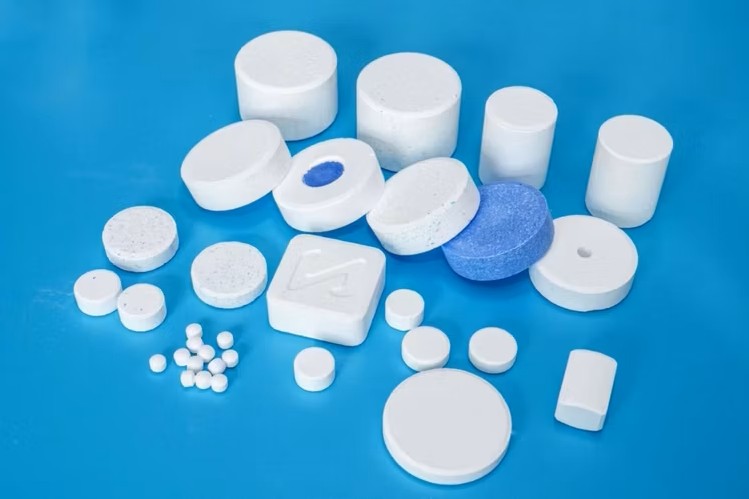
Discover Long Shelf Life Calcium Hypochlorite for Your Drinking Water Purification Needs
Introduction
In an era where clean drinking water remains a critical global priority, water treatment professionals and municipal authorities face ongoing challenges in selecting disinfection solutions that balance effectiveness, safety, and long-term storage stability. Calcium hypochlorite has emerged as a cornerstone chemical in drinking water purification, offering superior shelf life characteristics compared to alternative chlorination methods. This comprehensive guide explores why long shelf life calcium hypochlorite represents the optimal choice for your drinking water purification needs, particularly for B2B buyers seeking reliable, cost-effective water treatment solutions.
Understanding Calcium Hypochlorite: The Foundation of Effective Water Disinfection
Chemical Properties and Composition
Calcium hypochlorite (Ca(OCl)₂), with CAS number 7778-54-3, is a white granular or powdered compound that releases chlorine when dissolved in water. Unlike liquid sodium hypochlorite, calcium hypochlorite contains approximately 65-70% available chlorine, making it significantly more concentrated and efficient for large-scale water treatment applications. The compound maintains a pH level of approximately 11.5 in 5% solution, providing strong alkaline conditions that enhance disinfection effectiveness while minimizing corrosive impacts on distribution infrastructure.
Why Shelf Life Matters in Water Treatment Operations
Storage stability directly impacts operational costs and treatment consistency. Liquid chlorine solutions typically degrade within 30-90 days, losing up to 50% of their effective chlorine content under standard storage conditions. In contrast, properly stored calcium hypochlorite granules maintain 90% or more of their potency for 24-36 months. This extended shelf life translates to reduced waste, lower procurement frequency, and more predictable budget planning for water treatment facilities, municipalities, and industrial operations.
Key Advantages of Long Shelf Life Calcium Hypochlorite
Extended Storage Stability
Premium-grade calcium hypochlorite is manufactured with advanced stabilization technologies that minimize decomposition during storage. When kept in cool, dry, well-ventilated environments away from direct sunlight and moisture, high-quality calcium hypochlorite products retain their disinfection capacity for up to three years. This characteristic proves invaluable for emergency water treatment reserves, remote operation sites, and facilities with seasonal demand fluctuations.
Superior Disinfection Performance
The high available chlorine content ensures rapid pathogen elimination, effectively neutralizing bacteria, viruses, and protozoa commonly found in contaminated water sources. Calcium hypochlorite demonstrates particular effectiveness against:
- E. coli and coliform bacteria
- Giardia and Cryptosporidium cysts
- Viral pathogens including hepatitis and norovirus
- Biofilm formations in distribution systems
Cost-Effectiveness for B2B Buyers
For bulk purchasers, calcium hypochlorite offers significant economic advantages. The concentrated formula requires smaller storage volumes compared to liquid alternatives, reducing warehousing costs. Additionally, the extended shelf life minimizes product rotation requirements and eliminates losses from expiration, delivering superior return on investment for water treatment operations of all scales.
Optimal Storage Practices for Maximum Shelf Life
Environmental Controls
Maintaining product integrity requires adherence to specific storage guidelines. Calcium hypochlorite should be stored in original, sealed containers within temperature-controlled environments between 15-25°C (59-77°F). Relative humidity must remain below 60% to prevent moisture absorption, which accelerates decomposition and reduces effective chlorine content.
Safety Considerations
Proper storage also ensures workplace safety. Calcium hypochlorite must be kept separate from organic materials, acids, and reducing agents to prevent hazardous reactions. Facilities should implement adequate ventilation systems and maintain spill containment protocols aligned with international chemical handling standards.
Quality Monitoring Protocols
Regular testing of stored calcium hypochlorite ensures treatment consistency. B2B buyers should establish quarterly quality verification procedures, measuring available chlorine content and adjusting dosing calculations accordingly. This proactive approach maintains treatment efficacy throughout the product’s shelf life.
Applications Across Drinking Water Purification Sectors
Municipal Water Treatment
City water authorities rely on calcium hypochlorite for primary disinfection and residual chlorine maintenance throughout distribution networks. The compound’s stability supports continuous treatment operations without frequent chemical replenishment, ensuring consistent water quality for residential and commercial consumers.
Emergency and Humanitarian Operations
International relief organizations prioritize calcium hypochlorite for disaster response water purification. The extended shelf life enables pre-positioning of treatment supplies in vulnerable regions, while the granular format simplifies transportation and field deployment compared to liquid alternatives.
Industrial and Commercial Facilities
Manufacturing plants, food processing operations, and hospitality establishments utilize calcium hypochlorite for process water treatment and sanitation. The reliable disinfection performance supports regulatory compliance while minimizing operational disruptions from chemical supply chain variations.
Selecting the Right Calcium Hypochlorite Supplier
Quality Certification Standards
Reputable suppliers provide comprehensive documentation including Certificates of Analysis (COA), safety data sheets, and compliance certifications aligned with WHO, EPA, and regional water quality regulations. B2B buyers should verify supplier credentials and request batch-specific testing results before procurement commitments.
Technical Support Capabilities
Leading chemical suppliers offer ongoing technical assistance, including dosing calculations, storage optimization guidance, and troubleshooting support. This partnership approach ensures successful implementation and maximizes the value of your calcium hypochlorite investment.
Supply Chain Reliability
Evaluate supplier logistics capabilities, inventory management systems, and delivery consistency. Reliable supply chains prevent treatment interruptions and support long-term operational planning for water purification facilities.
Conclusion
Long shelf life calcium hypochlorite represents a proven, economical, and highly effective solution for drinking water purification across diverse applications. Its superior storage stability, disinfection performance, and cost efficiency make it the preferred choice for B2B buyers committed to delivering safe, clean water to their communities and customers. By partnering with qualified suppliers and implementing proper storage protocols, water treatment operations can maximize the benefits of this essential disinfection chemical while maintaining regulatory compliance and operational excellence.
Frequently Asked Questions (FAQ)
Q1: What is the typical shelf life of calcium hypochlorite for drinking water treatment?
A: When stored under optimal conditions (cool, dry, sealed containers), premium calcium hypochlorite maintains 90% or more of its available chlorine content for 24-36 months. Regular quality testing is recommended to verify potency before use.
Q2: How does calcium hypochlorite compare to sodium hypochlorite for water purification?
A: Calcium hypochlorite offers higher available chlorine content (65-70% vs. 10-15%), significantly longer shelf life (2-3 years vs. 1-3 months), and reduced storage volume requirements. However, it requires proper dissolution before application.
Q3: What storage conditions maximize calcium hypochlorite shelf life?
A: Store in original sealed containers at 15-25°C with humidity below 60%. Keep away from direct sunlight, moisture, organic materials, and acids. Ensure adequate ventilation in storage areas.
Q4: Is calcium hypochlorite safe for drinking water disinfection?
A: Yes, when used according to recommended dosing guidelines, calcium hypochlorite is approved by WHO, EPA, and major regulatory bodies for drinking water treatment. Proper dosing ensures safe residual chlorine levels without harmful byproducts.
Q5: How do I calculate proper dosing for my water treatment application?
A: Dosing depends on water quality, flow rate, and target residual chlorine levels. Typical municipal applications range from 1-5 mg/L. Consult technical specifications or request supplier assistance for application-specific calculations.
Q6: What certifications should I look for when purchasing calcium hypochlorite?
A: Seek suppliers providing NSF/ANSI 60 certification, ISO quality management credentials, comprehensive COA documentation, and compliance with regional water treatment regulations.
Ready to optimize your drinking water purification operations with reliable, long shelf life calcium hypochlorite? Visit our contact page to discuss your specific requirements and receive customized solutions from our water treatment specialists.
