
SDIC Wholesale Prices: Save on Livestock Farming Disinfection
Introduction
After spending over fifteen years in the water treatment and disinfection chemical industry, I’ve witnessed firsthand how critical proper biosecurity measures are for modern livestock operations. The question I hear most frequently from farm managers and procurement officers isn’t whether they need effective disinfection—it’s how to secure reliable SDIC wholesale prices without compromising on quality or safety standards.
Sodium Dichloroisocyanurate (SDIC) has emerged as one of the most cost-effective solutions for large-scale animal husbandry disinfection. But here’s what most suppliers won’t tell you: not all SDIC products deliver the same performance, and the price differences in the wholesale market can be misleading if you don’t know what to look for.
In this comprehensive guide, I’ll break down everything you need to know about purchasing SDIC in bulk for livestock farming applications, from understanding active chlorine content to negotiating better terms with manufacturers.
Understanding SDIC for Livestock Disinfection
What Makes SDIC Different?
SDIC, with the chemical formula C₃Cl₂N₃NaO₃ and CAS number 2893-78-9, belongs to the chlorinated isocyanurate family of disinfectants. What sets it apart from traditional chlorine-based products is its remarkable stability and controlled release mechanism.
When dissolved in water, SDIC gradually releases hypochlorous acid—the actual disinfecting agent. This slow-release characteristic means your disinfection solution remains effective for extended periods, reducing the frequency of application and overall chemical consumption. For large poultry houses, swine facilities, or cattle operations, this translates to significant operational savings.
Active Chlorine Content Matters
One critical specification you must verify when comparing SDIC wholesale prices is the active chlorine content. Industrial-grade SDIC typically comes in two main concentrations:
- 60% active chlorine: Standard grade suitable for general farm disinfection
- 90% active chlorine: Premium grade for critical biosecurity zones
I’ve seen procurement teams make the mistake of choosing the lowest price per ton without considering concentration differences. A product with 60% active chlorine might appear cheaper upfront, but you’ll need nearly double the quantity to achieve the same disinfection efficacy as the 90% grade. When calculating true cost-effectiveness, always normalize prices based on active chlorine content.
Cost-Saving Strategies for Bulk SDIC Purchases
Volume Discounts and Contract Terms
Manufacturers typically structure their SDIC wholesale pricing tiers based on order volume. From my experience negotiating with production facilities, here are the general benchmarks:
| Order Quantity | Typical Discount Range |
|---|---|
| 1-5 metric tons | Base pricing |
| 5-20 metric tons | 5-8% discount |
| 20-50 metric tons | 10-15% discount |
| 50+ metric tons | 15-20% discount + customized terms |
Beyond volume discounts, consider negotiating annual supply contracts. Manufacturers value predictable demand and often offer better rates for committed quarterly or monthly deliveries. This approach also helps you avoid price volatility during peak agricultural seasons when demand spikes.
Packaging Options and Logistics
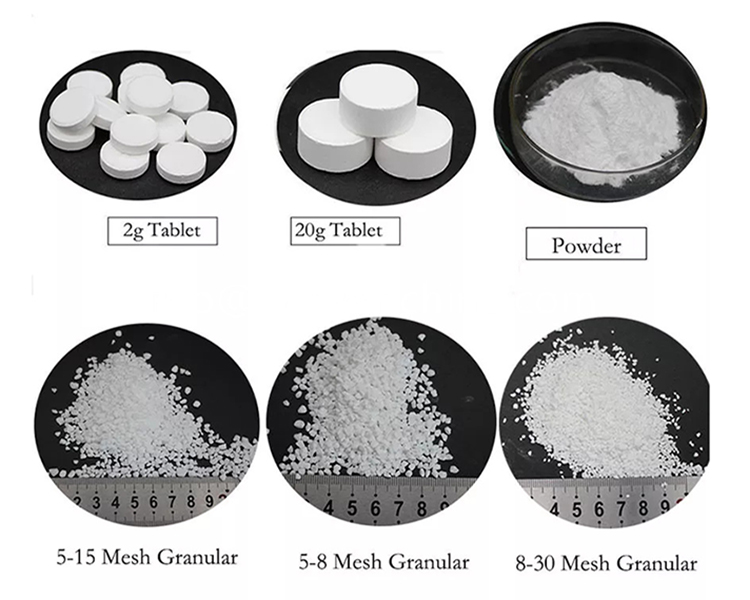
SDIC is commonly packaged in 25kg bags, though some manufacturers offer 50kg drums or bulk container options for very large orders. The packaging choice affects both unit pricing and storage requirements.
Here’s a practical tip I share with clients: if your facility has proper storage conditions (cool, dry, well-ventilated), opting for larger packaging can reduce per-kilogram costs by 3-5%. However, never compromise on storage standards—SDIC is a strong oxidizer and requires careful handling to maintain stability and safety.
Application Best Practices for Maximum ROI
Proper Dilution Rations
One of the most common mistakes I observe in livestock facilities is improper dilution. Using too little SDIC wastes money on ineffective disinfection, while using too much unnecessarily increases chemical costs and may create residue concerns.
For general livestock facility disinfection:
- Routine cleaning: 200-300 ppm active chlorine solution
- Disease outbreak response: 500-800 ppm active chlorine solution
- Equipment sanitization: 100-150 ppm active chlorine solution
Always calculate based on the active chlorine content of your specific SDIC product. A simple calculation error can throw off your entire budget projection.
Integration with Biosecurity Protocols
SDIC works best as part of a comprehensive biosecurity program. I recommend implementing a rotation schedule with complementary disinfectants to prevent microbial adaptation. Some facilities alternate between SDIC and quaternary ammonium compounds, while others incorporate periodic peroxide-based treatments.
Document your disinfection schedule, concentration levels, and application areas. This documentation not only helps optimize chemical usage but also proves invaluable during regulatory audits or certification processes.
Quality Verification and Supplier Selection
Certifications to Request
When evaluating SDIC suppliers, request the following documentation:
- Certificate of Analysis (CoA): Confirms active chlorine content and purity specifications
- Safety Data Sheet (SDS): Essential for proper handling and regulatory compliance
- ISO or GMP certifications: Indicates manufacturing quality standards
- Third-party testing reports: Independent verification of product claims
Don’t hesitate to request samples before committing to large orders. Reputable manufacturers understand this requirement and accommodate testing requests.
Red Flags in Wholesale Pricing
Extremely low SDIC wholesale prices should raise concerns. Production costs for quality SDIC have remained relatively stable, and prices significantly below market averages often indicate:
- Lower active chlorine content than advertised
- Inconsistent manufacturing quality
- Improper storage or aged inventory
- Missing regulatory certifications
I’ve helped several clients troubleshoot disinfection failures that traced back to substandard SDIC purchases. The initial savings never justified the operational disruptions and potential disease outbreak risks.
Environmental and Safety Considerations
Modern livestock operations face increasing scrutiny regarding environmental impact. SDIC offers advantages here as well—it breaks down into relatively harmless byproducts (sodium chloride, carbon dioxide, and nitrogen compounds) when properly used and disposed of.
However, proper handling remains essential. Store SDIC away from organic materials, acids, and reducing agents. Ensure adequate ventilation in storage areas and provide appropriate personal protective equipment for handling personnel.
Conclusion
Securing competitive SDIC wholesale prices for livestock farming disinfection requires more than just comparing quotes. It demands understanding product specifications, calculating true cost-effectiveness based on active chlorine content, and building relationships with reliable manufacturers who prioritize quality alongside pricing.
The investment in proper disinfection pays dividends through reduced disease incidence, improved animal health, and enhanced operational efficiency. When you factor in these benefits, choosing quality SDIC at fair wholesale prices becomes one of the most strategic decisions a livestock operation can make.
Frequently Asked Questions
Q1: What is the typical shelf life of SDIC for livestock disinfection?
A: Properly stored SDIC maintains its effectiveness for 12-24 months. Store in a cool, dry location away from direct sunlight and moisture. Always check the manufacturing date on your Certificate of Analysis.
Q2: Can SDIC be used on all types of livestock facilities?
A: Yes, SDIC is suitable for poultry houses, swine facilities, cattle barns, and aquaculture operations. However, always follow species-specific dilution recommendations and ensure adequate ventilation during application.
Q3: How do I calculate the actual cost per ppm of active chlorine?
A: Divide the price per kilogram by the active chlorine percentage, then multiply by 10,000 to get cost per ppm. This normalization allows accurate comparison between different SDIC grades and suppliers.
Q4: What documentation do I need for regulatory compliance?
A: Maintain records of purchase invoices, Certificates of Analysis, application logs (dates, concentrations, areas treated), and Safety Data Sheets. Many certification programs require annual disinfection protocol documentation.
Q5: Are there seasonal price fluctuations for SDIC wholesale?
A: Yes, prices typically increase during spring and fall when disease pressure peaks and demand rises. Consider stocking up during summer months when manufacturers often offer promotional pricing to maintain production schedules.
Author: Marcus Richardson
Note: For detailed product specifications and customized wholesale quotations, please reach out through our official contact channels.
