
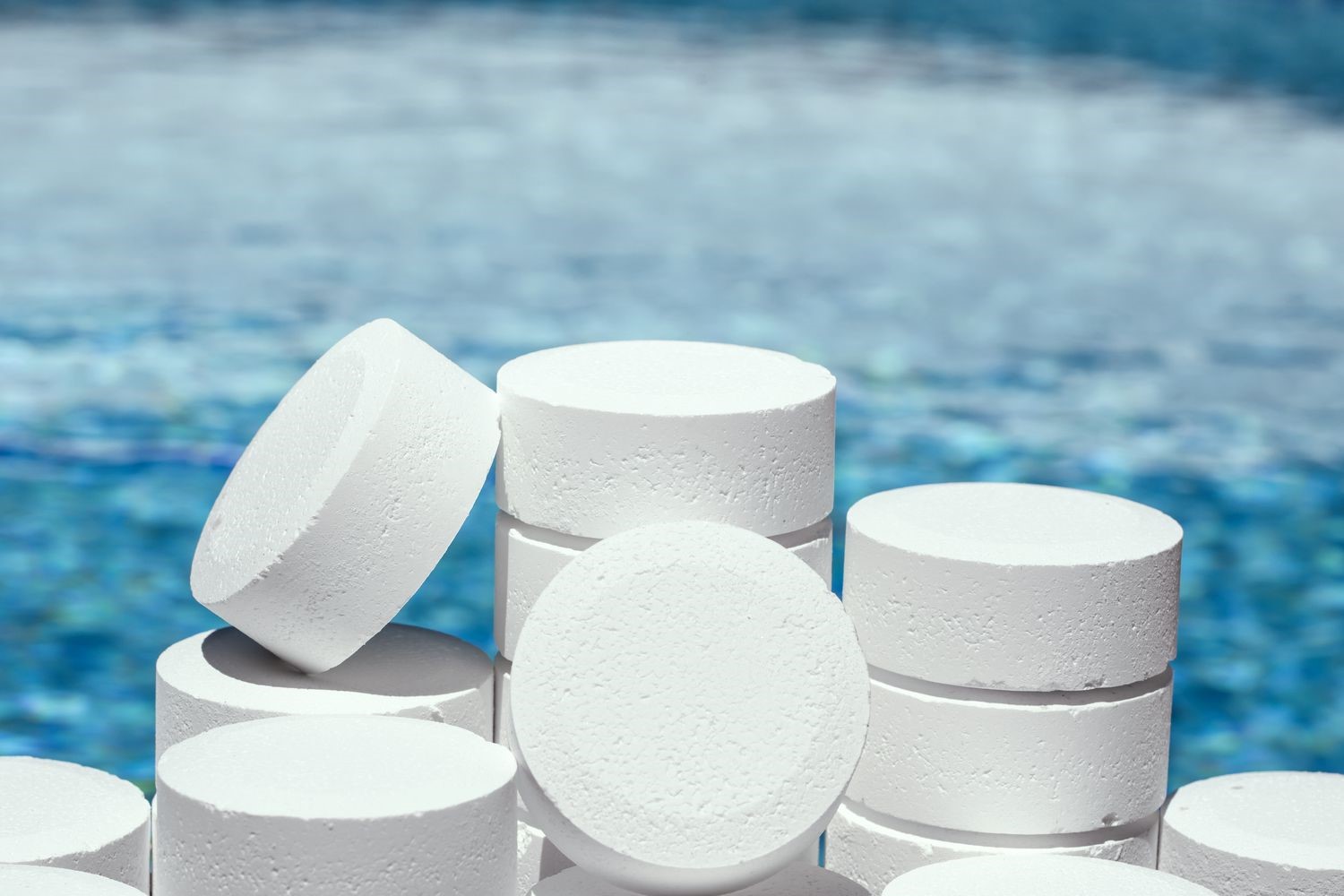
Bulk Buy SDIC in Bulk: Premium Grade for Aquaculture
Introduction
In the rapidly expanding global aquaculture industry, maintaining optimal water quality stands as the cornerstone of successful fish and shrimp farming operations. Sodium Dichloroisocyanurate (SDIC), a powerful chlorine-releasing disinfectant, has emerged as the preferred choice for professional aquaculture facilities seeking reliable, cost-effective water treatment solutions. This comprehensive technical guide explores why bulk procurement of premium-grade SDIC represents a strategic investment for commercial aquaculture enterprises committed to disease prevention, biosecurity, and operational excellence.
Understanding SDIC: Chemical Composition and Mechanism of Action
Molecular Structure and Properties
Sodium Dichloroisocyanurate (SDIC), chemically designated as C₃Cl₂N₃NaO₃ with CAS Registry Number 2893-78-9, belongs to the chloroisocyanurate family of organic chlorine compounds. The molecular weight of 219.95 g/mol contributes to its exceptional stability and controlled release characteristics in aqueous environments.
Disinfection Mechanism
Upon dissolution in water, SDIC undergoes hydrolysis to release hypochlorous acid (HOCl), the primary active disinfecting agent. This mechanism offers several distinct advantages:
- Broad-spectrum efficacy: HOCl penetrates microbial cell walls, disrupting enzymatic systems and nucleic acid structures
- Sustained release: The triazine ring structure provides gradual chlorine release, maintaining residual disinfection over extended periods
- pH stability: Effective across a wide pH range (6.5-8.5), crucial for varying aquaculture water conditions
- Low toxicity profile: Decomposes into biodegradable byproducts including cyanuric acid, sodium chloride, and carbon dioxide
Technical Specifications for Premium Grade SDIC
Physical and Chemical Parameters
| Parameter | Specification | Test Method |
|---|---|---|
| Available Chlorine Content | 56% – 60% | GB/T 10666-2019 |
| Moisture Content | ≤ 5.0% | ISO 787-2 |
| pH Value (1% Solution) | 5.5 – 7.0 | ASTM E70 |
| Water Solubility | ≥ 25g/100ml (25°C) | USP Method |
| Particle Size Distribution | 8-30 mesh / 16-36 mesh | Sieve Analysis |
| Stability (Storage) | ≤ 1% loss/year | Accelerated Aging Test |
| Heavy Metals (Pb) | ≤ 10 ppm | ICP-MS |
| Arsenic (As) | ≤ 3 ppm | Atomic Absorption |
Performance Metrics
Disinfection Efficiency:
- Bacterial reduction: >99.9% within 30 minutes at 5 ppm residual chlorine
- Viral inactivation: >99.99% within 60 minutes at 10 ppm residual chlorine
- Fungal control: >95% efficacy at 8-12 ppm concentration
Residual Chlorine Maintenance:
- Initial dose retention: 70-80% after 24 hours in standard aquaculture conditions
- Effective duration: 48-72 hours depending on organic load and temperature
Industry Standards and Regulatory Compliance
International Certifications
Premium SDIC products for aquaculture applications should comply with multiple international standards:
- WHO Guidelines: World Health Organization recommendations for drinking-water quality and aquaculture disinfection
- FAO Standards: Food and Agriculture Organization codes of practice for aquaculture farm management
- EPA Regulations: U.S. Environmental Protection Agency guidelines for chlorine-based disinfectants
- EU Biocidal Products Regulation: Compliance with BPR (EU) No 528/2012 for authorized biocidal substances
- ISO 9001: Quality management system certification for manufacturing facilities
- HACCP: Hazard Analysis Critical Control Point certification for food safety
Aquaculture-Specific Standards
- GlobalG.A.P.: Aquaculture certification requiring approved disinfectant protocols
- ASC (Aquaculture Stewardship Council): Sustainability standards including water treatment requirements
- BAP (Best Aquaculture Practices): Industry standards for responsible aquaculture operations
Applications in Commercial Aquaculture Operations
Shrimp Farming
Intensive shrimp cultivation demands rigorous biosecurity measures. SDIC application protocols include:
Pond Preparation:
- Pre-stocking disinfection: 20-30 ppm for 48-72 hours
- Bottom sediment treatment: 15-25 ppm with thorough mixing
- Water column sterilization: 10-15 ppm before stocking
During Production:
- Routine water treatment: 0.5-1.0 ppm weekly maintenance
- Disease outbreak response: 2-5 ppm therapeutic treatment
- Harvest preparation: 1-2 ppm pre-harvest water conditioning
Fish Farming Systems
Recirculating Aquaculture Systems (RAS):
- System sterilization between batches: 10-20 ppm
- Biofilter protection: Careful dosing to preserve nitrifying bacteria (0.3-0.5 ppm)
- Emergency pathogen control: 3-5 ppm with temporary system shutdown
Pond Culture:
- Seasonal disinfection: 5-10 ppm during water exchange
- Algae control: 2-4 ppm for cyanobacteria management
- Parasite prevention: 1-3 ppm integrated pest management
Hatchery Operations
Critical early-life stages require precise disinfection:
- Egg surface sterilization: 50-100 ppm brief immersion (30-60 seconds)
- Larval tank treatment: 0.5-1.0 ppm continuous low-level disinfection
- Equipment sanitization: 200-500 ppm for non-porous surfaces
Bulk Procurement Advantages for B2B Customers
Economic Benefits
Volume-Based Pricing Structure:
- 1-5 metric tons: Standard commercial pricing
- 5-20 metric tons: 8-12% volume discount
- 20+ metric tons: 15-20% enterprise pricing with customized terms
Cost Efficiency Analysis:
- Reduced per-unit cost compared to retail packaging
- Minimized packaging waste and environmental impact
- Optimized inventory management with predictable consumption rates
- Lower transportation costs per kilogram of active ingredient
Supply Chain Reliability
Manufacturing Capacity:
- Consistent production scheduling for bulk orders
- Dedicated production lines for aquaculture-grade specifications
- Quality batch tracking and traceability systems
- Flexible delivery scheduling aligned with farming cycles
Storage and Stability:
- Shelf life: 24-36 months under proper storage conditions
- Recommended storage: Cool, dry, ventilated facilities (temperature <30°C, humidity <75%)
- Packaging options: 25kg drums, 50kg fiber drums, 1000kg bulk bags
Quality Assurance and Testing Protocols
Manufacturing Controls
Premium SDIC suppliers implement comprehensive quality management:
- Raw Material Verification: Certificate of Analysis for all input chemicals
- In-Process Testing: Real-time monitoring of chlorination reactions
- Final Product Analysis: Complete specification verification before release
- Batch Documentation: Full traceability from production to delivery
Independent Third-Party Testing
Reputable manufacturers maintain partnerships with accredited laboratories for:
- Quarterly potency verification
- Annual comprehensive safety assessments
- Contaminant screening (heavy metals, organic impurities)
- Stability testing under various storage conditions
Safety Considerations and Handling Guidelines
Occupational Health and Safety
Personal Protective Equipment (PPE):
- Chemical-resistant gloves (nitrile or neoprene)
- Safety goggles or face shields
- Respiratory protection for dust-generating operations
- Protective clothing and closed-toe footwear
Storage Requirements:
- Separate from incompatible materials (acids, ammonia, organic compounds)
- Ventilated storage areas with spill containment
- Clear labeling and hazard communication
- Temperature-controlled environments
Environmental Responsibility
Discharge Considerations:
- Dechlorination before water discharge (sodium thiosulfate treatment)
- Compliance with local environmental regulations
- Monitoring of chlorine residual in effluent
- Documentation for regulatory reporting
Technical Support and Customer Service
Application Consulting
Professional SDIC suppliers provide:
- Site-specific dosage calculations
- Water quality assessment support
- Integration with existing treatment protocols
- Troubleshooting for application challenges
Training Programs
- On-site operator training for safe handling
- Best practice workshops for aquaculture managers
- Emergency response procedure development
- Regulatory compliance guidance
Frequently Asked Questions (FAQ)
Q1: What is the recommended SDIC dosage for routine shrimp pond maintenance?
A: For routine maintenance in shrimp aquaculture, apply 0.5-1.0 ppm of available chlorine weekly. This translates to approximately 1-2 kg of 60% SDIC per 1000 cubic meters of water. Always measure residual chlorine before reapplication and adjust based on organic load and temperature conditions.
Q2: How long does SDIC remain effective in aquaculture water?
A: Under typical aquaculture conditions (pH 7.0-8.0, temperature 25-30°C), SDIC maintains effective residual chlorine for 48-72 hours. Higher organic loads, elevated temperatures, and intense sunlight exposure can reduce effectiveness to 24-48 hours. Regular monitoring is essential for optimal results.
Q3: Can SDIC be used in recirculating aquaculture systems (RAS)?
A: Yes, but with careful consideration. SDIC can be used in RAS for system sterilization between production cycles at 10-20 ppm. During active production, maintain very low levels (0.3-0.5 ppm) to avoid damaging beneficial nitrifying bacteria in biofilters. Implement dechlorination before water returns to biofiltration units.
Q4: What is the shelf life of bulk SDIC under proper storage conditions?
A: Premium-grade SDIC maintains specification compliance for 24-36 months when stored in original sealed containers at temperatures below 30°C and relative humidity under 75%. Annual potency testing is recommended for inventory exceeding 18 months.
Q5: How does SDIC compare to other chlorine-based disinfectants for aquaculture?
A: SDIC offers several advantages over alternatives:
- vs. Calcium Hypochlorite: Higher available chlorine content, better stability, less sediment
- vs. Sodium Hypochlorite: Longer shelf life, easier transport, more precise dosing
- vs. Trichloroisocyanuric Acid (TCCA): Faster dissolution, more suitable for water column treatment
Q6: What certifications should I look for when selecting an SDIC supplier?
A: Prioritize suppliers with ISO 9001 quality management certification, REACH compliance (for European markets), and documentation supporting aquaculture-specific applications. Request Certificates of Analysis for each batch and verify third-party testing records.
Q7: Is SDIC safe for use in organic aquaculture certification programs?
A: SDIC acceptance varies by certification body. Some organic standards permit chlorine-based disinfectants for facility sanitation with restrictions on direct animal exposure. Consult your specific certification program (USDA Organic, EU Organic, etc.) for approved substance lists and usage limitations.
Q8: What emergency procedures should be in place for SDIC handling?
A: Establish protocols including:
- Emergency eyewash and shower stations in handling areas
- Spill containment and neutralization materials (sodium thiosulfate)
- First aid training for all personnel
- Emergency contact information prominently displayed
- Material Safety Data Sheet (MSDS/SDS) accessibility
Ready to optimize your aquaculture water treatment program with premium-grade SDIC?
Professional bulk suppliers offer customized solutions aligned with your operation scale, species requirements, and regulatory environment. Request detailed technical specifications, volume pricing, and application support to enhance your aquaculture biosecurity and production efficiency.
