
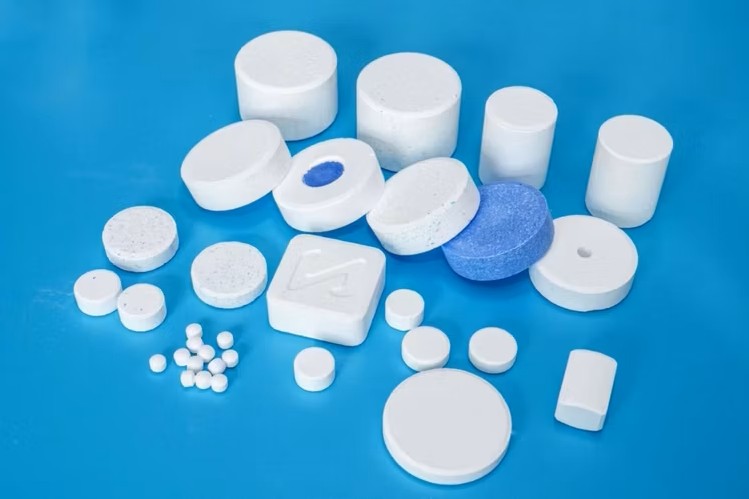
Best TCCA for Beverage Manufacturing: Premium Grade and Premium Grade
Introduction
In the competitive beverage manufacturing industry, water quality directly impacts product safety, taste, and consumer trust. Choosing the right disinfectant is critical for maintaining stringent hygiene standards while ensuring operational efficiency. Trichloroisocyanuric Acid (TCCA) has emerged as the gold standard for water treatment in beverage production facilities worldwide. This comprehensive guide explores why Premium Grade TCCA stands out as the optimal solution for beverage manufacturers seeking reliable, cost-effective, and compliant water disinfection.
Understanding TCCA in Beverage Production
What Makes TCCA Essential?
TCCA (CAS: 87-90-1) is a powerful organic compound with exceptional disinfecting properties. Its molecular structure (C₃Cl₃N₃O₃) enables slow-release chlorine action, providing sustained protection against bacteria, viruses, and algae. For beverage manufacturers, this translates to consistent water quality throughout production cycles without frequent reapplication.
Key Advantages for Beverage Facilities
Premium Grade TCCA offers over 90% available chlorine content, significantly higher than traditional chlorine sources. This high potency means lower dosage requirements, reduced storage space, and minimized chemical handling risks. The compound’s stability ensures long shelf life, reducing waste and procurement frequency for large-scale operations.
Critical Pain Points Solved by Premium Grade TCCA
Inconsistent Water Quality Control
Many beverage producers struggle with fluctuating microbial levels in process water. Standard disinfectants often fail to maintain consistent residual chlorine levels, leading to production delays and potential contamination risks. Premium Grade TCCA’s controlled release mechanism addresses this challenge by maintaining stable disinfectant concentrations over extended periods.
Regulatory Compliance Challenges
Beverage manufacturers face increasingly strict food safety regulations globally. Non-compliance can result in costly recalls, facility shutdowns, and reputational damage. Premium Grade TCCA meets international quality standards including HG/T 3779-2005, ensuring your facility remains compliant with FDA, EFSA, and other regulatory bodies.
Operational Cost Pressures
Rising energy and chemical costs squeeze profit margins across the beverage industry. Traditional disinfection methods require frequent monitoring and reapplication, increasing labor and material expenses. Premium Grade TCCA’s efficiency reduces overall chemical consumption by up to 30%, delivering significant cost savings without compromising safety standards.
Selecting the Right Premium Grade TCCA Supplier
Quality Certification Requirements
When evaluating TCCA suppliers for beverage manufacturing applications, verify comprehensive quality documentation. Request certificates of analysis confirming purity levels above 99%, heavy metal testing results, and batch traceability records. Reputable suppliers provide full transparency on manufacturing processes and quality control measures.
Technical Support Capabilities
Premium Grade TCCA implementation requires proper dosing calculations and safety protocols. Choose suppliers offering technical consultation, staff training, and ongoing support. This partnership approach ensures optimal product performance while minimizing operational risks associated with chemical handling.
Supply Chain Reliability
Beverage production cannot tolerate chemical supply disruptions. Evaluate supplier capacity, inventory management, and delivery track records. Established manufacturers maintain strategic stockpiles and multiple distribution channels to guarantee uninterrupted supply for critical production operations.
Implementation Best Practices
Proper Storage and Handling
Store Premium Grade TCCA in cool, dry conditions away from incompatible materials including ammonia, urea, and organic compounds. Use dedicated storage areas with proper ventilation and spill containment systems. Train all personnel on safety data sheet requirements and emergency response procedures.
Optimal Dosing Strategies
Work with technical experts to determine precise dosing rates based on water volume, quality parameters, and production schedules. Over-dosing wastes chemicals and may affect product taste, while under-dosing compromises disinfection effectiveness. Regular water testing ensures dosing accuracy and regulatory compliance.
Monitoring and Documentation
Maintain comprehensive records of chemical usage, water test results, and corrective actions. This documentation supports regulatory audits and enables continuous improvement initiatives. Digital monitoring systems provide real-time data for proactive quality management.
Conclusion
Premium Grade TCCA represents the smart choice for beverage manufacturers prioritizing water quality, operational efficiency, and regulatory compliance. Its superior disinfecting power, cost-effectiveness, and proven track record make it indispensable for modern beverage production facilities. Partner with experienced suppliers who understand your unique challenges and can deliver consistent quality with reliable support.
Ready to optimize your water treatment program? Contact our technical team today for personalized consultation and competitive pricing on Premium Grade TCCA solutions tailored to your beverage manufacturing needs.
FAQ
Q: What is the typical shelf life of Premium Grade TCCA?
A: When stored properly in sealed containers away from moisture and heat, Premium Grade TCCA maintains effectiveness for 24-36 months from manufacture date.
Q: Can TCCA affect beverage taste or quality?
A: When dosed correctly according to water treatment protocols, TCCA leaves no residual taste or odor in final products. Proper flushing and monitoring prevent any sensory impact.
Q: What certifications should I request from TCCA suppliers?
A: Request Certificate of Analysis, ISO 9001 certification, food-grade compliance documentation, and batch-specific heavy metal testing results for beverage applications.
Q: How does Premium Grade TCCA compare to sodium hypochlorite?
A: TCCA offers higher chlorine content (90%+ vs. 10-15%), longer stability, easier storage, and lower transportation costs compared to liquid sodium hypochlorite solutions.
Q: What safety precautions are necessary when handling TCCA?
A: Use appropriate PPE including gloves, goggles, and respiratory protection. Ensure proper ventilation, avoid mixing with incompatible chemicals, and follow all SDS guidelines for safe handling.
作者:Dr. Michael Harrison
