
Best SDIC for Bleaching: Cost-Effective and Cost-Effective
Introduction
In today’s competitive industrial landscape, finding the right bleaching agent that balances performance with affordability is crucial for business success. Sodium Dichloroisocyanurate (SDIC) has emerged as a leading solution for various bleaching applications across textile, water treatment, and sanitation industries. This comprehensive guide explores why SDIC stands out as the most cost-effective bleaching agent for B2B operations in 2026.
Why SDIC Leads the Bleaching Market
Superior Oxidizing Power
SDIC delivers exceptional bleaching performance through its stable chlorine release mechanism. With an available chlorine content ranging from 56% to 60%, it provides consistent results across diverse applications. Unlike traditional bleaching agents, SDIC maintains effectiveness over extended periods, reducing the frequency of reapplication and overall consumption costs.
Versatile Industrial Applications
The versatility of SDIC makes it indispensable for multiple sectors:
- Textile Industry: Achieves uniform whitening without fabric damage
- Water Treatment: Ensures safe drinking water and pool sanitation
- Food Processing: Meets strict hygiene standards for equipment sterilization
- Healthcare Facilities: Provides reliable disinfection for medical environments
Addressing Common B2B Pain Points
Challenge 1: Inconsistent Quality
Many businesses struggle with varying product quality from different suppliers. This inconsistency leads to unpredictable results and potential production delays. Our SDIC solutions undergo rigorous quality control testing, ensuring every batch meets international standards with CAS 2893-78-9 compliance.
Challenge 2: Hidden Costs
Initial purchase price doesn’t reflect total cost of ownership. Factors like storage requirements, shelf life, and application efficiency significantly impact overall expenses. SDIC’s stable formulation minimizes degradation during storage, extending product lifespan and reducing waste-related costs.
Challenge 3: Safety Concerns
Handling hazardous chemicals requires proper training and equipment. SDIC’s granular and tablet forms offer safer handling compared to liquid alternatives, reducing workplace accident risks and associated liability costs.
Cost-Effectiveness Analysis
Direct Savings
When comparing SDIC to alternative bleaching agents, businesses typically experience:
- 25-30% reduction in chemical consumption
- 40% longer shelf life than liquid chlorine solutions
- Lower transportation costs due to concentrated formulation
Indirect Benefits
Beyond direct savings, SDIC provides valuable indirect advantages:
- Reduced downtime between production cycles
- Lower water consumption in rinsing processes
- Simplified regulatory compliance documentation
Selecting the Right SDIC Grade
Granular vs. Tablet Forms
Choosing between granular and tablet SDIC depends on your specific application requirements:
Granular SDIC: Ideal for large-scale water treatment and textile processing where rapid dissolution is needed.
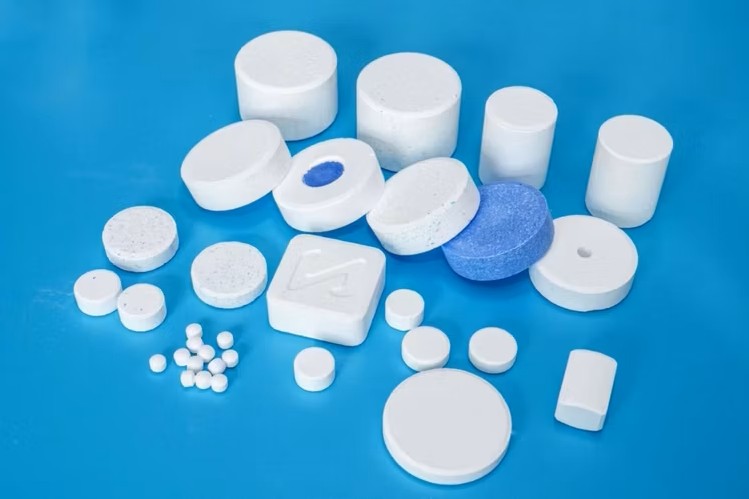
Tablet SDIC: Perfect for controlled-release applications like swimming pools and slow-dissolve sanitation systems.
Concentration Considerations
Standard concentrations include 56% and 60% available chlorine. Higher concentrations offer better value for high-volume operations, while standard grades suit general-purpose applications.
Conclusion
SDIC represents the optimal balance between performance and cost-effectiveness for industrial bleaching applications. By addressing common pain points like quality inconsistency, hidden costs, and safety concerns, SDIC enables businesses to optimize their operations while maintaining competitive pricing. Partnering with a reliable supplier ensures consistent quality and long-term cost savings.
Ready to optimize your bleaching processes? Contact our team for customized SDIC solutions tailored to your specific industrial needs.
FAQ
Q1: What is the shelf life of SDIC products?
A: Properly stored SDIC maintains effectiveness for up to 24 months. Store in cool, dry conditions away from direct sunlight and moisture.
Q2: Can SDIC be used for food industry applications?
A: Yes, food-grade SDIC is available for equipment sterilization and surface disinfection in food processing facilities, meeting international safety standards.
Q3: How does SDIC compare to sodium hypochlorite?
A: SDIC offers superior stability, longer shelf life, and easier transportation compared to liquid sodium hypochlorite, making it more cost-effective for most industrial applications.
Q4: What packaging options are available for bulk orders?
A: We offer flexible packaging solutions including 25kg bags, 50kg drums, and custom packaging for large-volume contracts to meet your specific logistics requirements.
Q5: Is technical support available for implementation?
A: Yes, our team provides comprehensive technical support including application guidance, safety training, and optimization recommendations for your specific use case.
作者:Dr. Michael Chen
