
Dosage Recommendations for SDIC in Aquaculture
Introduction
Aquaculture operators worldwide face a persistent challenge: maintaining optimal water quality while preventing disease outbreaks. Poor water management can lead to devastating losses, with some farms experiencing up to 40% mortality rates during bacterial epidemics. Sodium Dichloroisocyanurate (SDIC) has emerged as a reliable solution for water disinfection in fish and shrimp farming operations. This comprehensive guide provides evidence-based dosage recommendations to help aquaculture businesses maximize productivity while minimizing risks.
Understanding SDIC for Aquaculture Applications
What Is SDIC?
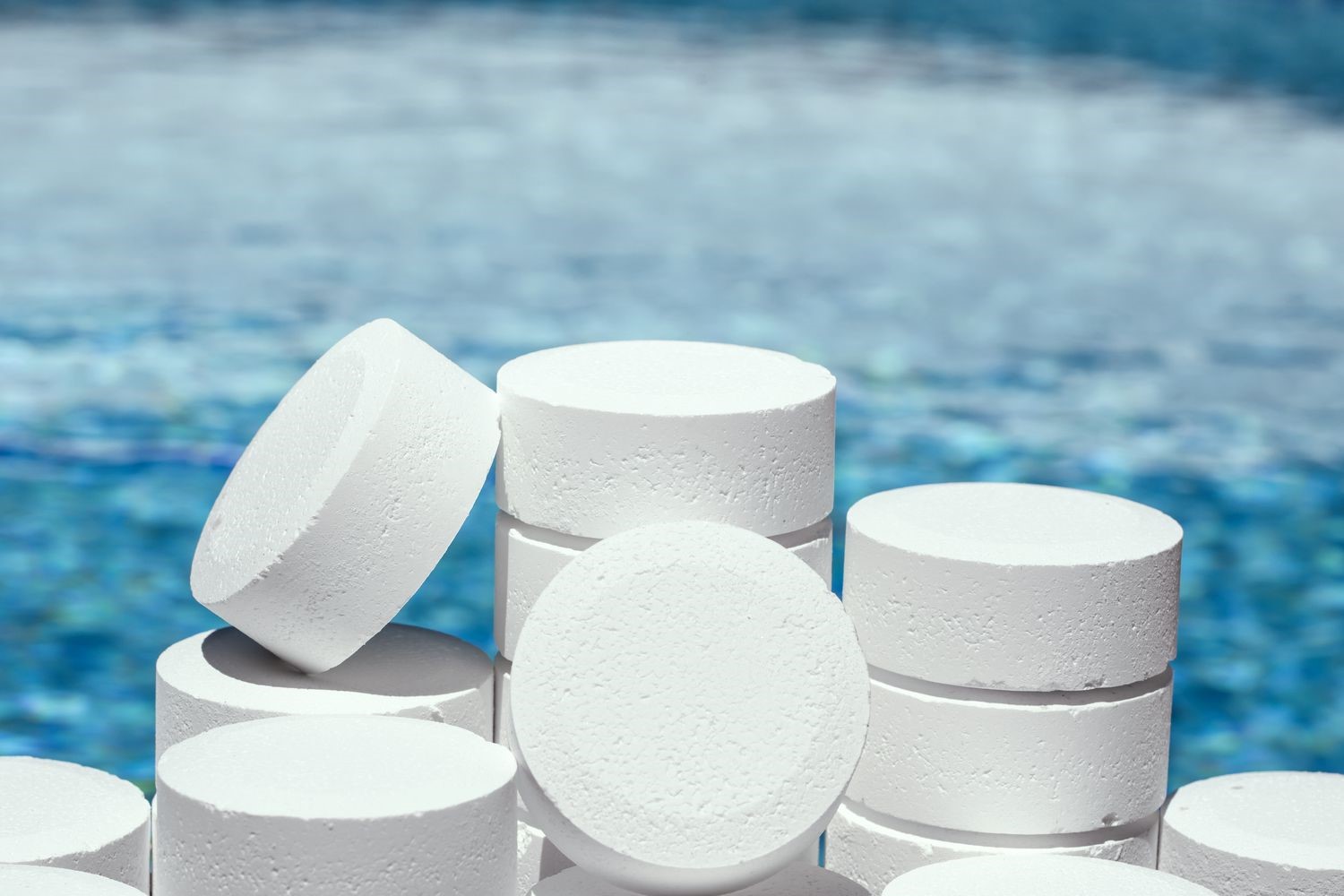
Sodium Dichloroisocyanurate (SDIC) is a stable chlorine-based disinfectant with 56-60% available chlorine content. Its chemical formula (C₃Cl₂N₃NaO₃) enables slow-release chlorine action, providing sustained disinfection without frequent reapplication. Unlike traditional chlorine compounds, SDIC maintains effectiveness across varying pH levels and water temperatures.
Why Aquaculture Facilities Choose SDIC
Commercial fish farms and shrimp ponds require disinfectants that balance efficacy with safety. SDIC offers several advantages:
- Broad-spectrum antimicrobial activity against bacteria, viruses, and fungi
- Extended residual protection lasting 24-48 hours in pond water
- Cost-effective treatment compared to alternative disinfectants
- Minimal environmental impact when used at recommended concentrations
Critical Dosage Guidelines for Different Aquaculture Scenarios
Preventive Water Treatment Dosage
For routine pond maintenance and disease prevention, apply SDIC at 0.1-0.2 ppm (mg/L). This concentration effectively controls pathogen populations without stressing aquatic species. Treat water every 7-10 days during normal operations, increasing frequency during warm seasons when bacterial growth accelerates.
Calculation Example: For a 10,000 cubic meter pond requiring 0.15 ppm treatment:
- Required SDIC (60% available chlorine): approximately 2.5 kg
- Dissolve completely before uniform distribution across pond surface
Therapeutic Treatment During Disease Outbreaks
When bacterial infections or viral outbreaks occur, increase dosage to 0.3-0.5 ppm. This higher concentration eliminates active pathogens while remaining safe for most commercial species including tilapia, catfish, and Pacific white shrimp.
Important Considerations:
- Monitor dissolved oxygen levels closely during treatment
- Avoid application during feeding times (wait 2-3 hours after feeding)
- Do not exceed 0.5 ppm to prevent gill irritation and stress
Species-Specific Dosage Adjustments
Different aquatic species exhibit varying sensitivity to chlorine compounds:
| Species | Safe Range (ppm) | Maximum (ppm) |
|---|---|---|
| Tilapia | 0.1-0.3 | 0.4 |
| Catfish | 0.15-0.35 | 0.45 |
| Shrimp | 0.1-0.25 | 0.35 |
| Koi/Ornamental | 0.05-0.15 | 0.2 |
Always conduct small-scale trials before full-pond application when introducing new species.
Common Pain Points and Professional Solutions
Problem 1: Inconsistent Disinfection Results
Root Cause: Improper dissolution or uneven distribution of SDIC granules.
Solution: Pre-dissolve SDIC in clean water at 1:10 ratio before pond application. Use boat-mounted sprayers for uniform coverage across large commercial ponds.
Problem 2: Fish Stress After Treatment
Root Cause: Dosage exceeding species tolerance or application during temperature extremes.
Solution: Apply treatments during early morning hours when water temperatures are stable. Reduce dosage by 20% when water temperature exceeds 30°C.
Problem 3: Rapid Chlorine Dissipation
Root Cause: High organic load consuming available chlorine before effective disinfection.
Solution: Perform partial water exchange (15-20%) before SDIC application. Consider two-stage treatment: initial 0.1 ppm followed by 0.15 ppm after 24 hours.
Problem 4: Regulatory Compliance Concerns
Root Cause: Uncertainty about residue levels and harvest intervals.
Solution: Maintain detailed treatment logs. Stop SDIC application 5-7 days before harvest to ensure chlorine residues fall below detectable limits.
Best Practices for SDIC Storage and Handling
Proper storage maintains SDIC effectiveness and ensures operator safety:
- Store in cool, dry areas below 25°C with humidity under 65%
- Keep containers sealed to prevent moisture absorption and chlorine loss
- Use protective equipment including gloves and masks during handling
- Never mix with acids or ammonia-based products to avoid toxic gas formation
- Maintain inventory rotation using first-in-first-out methodology
Conclusion
Implementing proper SDIC dosage protocols transforms aquaculture water management from reactive crisis response to proactive disease prevention. By following species-specific guidelines, addressing common operational challenges, and maintaining rigorous application standards, commercial fish farms can achieve consistent production outcomes while protecting aquatic health. The key lies in precision dosing, timing optimization, and continuous water quality monitoring.
For aquaculture businesses seeking reliable SDIC supplies with technical support, partnering with experienced chemical manufacturers ensures product consistency and regulatory compliance.
FAQ: SDIC Dosage in Aquaculture
Q1: How often should I apply SDIC in shrimp ponds?
A: For preventive maintenance, apply every 7-10 days at 0.1-0.2 ppm. During disease pressure, increase to twice weekly at therapeutic concentrations.
Q2: Can SDIC be used in recirculating aquaculture systems (RAS)?
A: Yes, but at reduced concentrations (0.05-0.1 ppm) due to limited water exchange. Monitor biofilter bacteria health closely.
Q3: What is the harvest withdrawal period after SDIC treatment?
A: Stop application 5-7 days before harvest to ensure chlorine residues dissipate completely.
Q4: Does SDIC affect beneficial pond bacteria?
A: At recommended dosages, impact on nitrifying bacteria is minimal. Avoid consecutive daily applications to allow bacterial recovery.
Q5: How do I calculate SDIC requirements for irregular-shaped ponds?
A: Measure actual water volume through depth mapping. Use formula: Volume (m³) × Target ppm ÷ Available chlorine % = Required SDIC (kg).
Author: Dr. Marcus Chen
Note: Dosage recommendations should be adapted based on local water quality parameters, species requirements, and regulatory guidelines. Consult with aquaculture specialists before implementing new treatment protocols.
