
Calcium Hypochlorite vs Alternatives: Best Choice for Food Processing
In the high-stakes world of food manufacturing, sanitation is not just a regulatory requirement; it is the backbone of brand reputation. A single contamination event can lead to costly recalls, legal liabilities, and irreversible consumer trust loss. For procurement managers and plant operators, selecting the right disinfectant is a critical decision. While various sanitizers exist, Calcium Hypochlorite remains a dominant force. But is it the best choice compared to alternatives like Sodium Hypochlorite or Chlorine Dioxide? This article explores the operational pain points of food processing sanitation and why Calcium Hypochlorite often emerges as the superior solution for B2B applications.
The Hidden Costs of Ineffective Sanitization
Food processing facilities face unique challenges. Equipment corrosion, inconsistent microbial kill rates, and storage instability are common complaints among plant managers. Many facilities default to liquid bleaches due to familiarity, overlooking the long-term logistical burdens. The primary pain point is not just the purchase price, but the total cost of ownership. Liquid alternatives often degrade faster, requiring frequent replenishment and larger storage volumes. Furthermore, inconsistent chlorine levels can lead to under-sanitization, risking food safety, or over-sanitization, which may damage sensitive processing equipment and affect product taste.
Calcium Hypochlorite vs. Sodium Hypochlorite
When evaluating food grade disinfectant options, the comparison usually narrows down to Calcium Hypochlorite (CHT) and Sodium Hypochlorite (NaOCl). Both release hypochlorous acid in water, the active sanitizing agent, but their physical properties dictate their suitability for industrial use.
Stability and Shelf Life
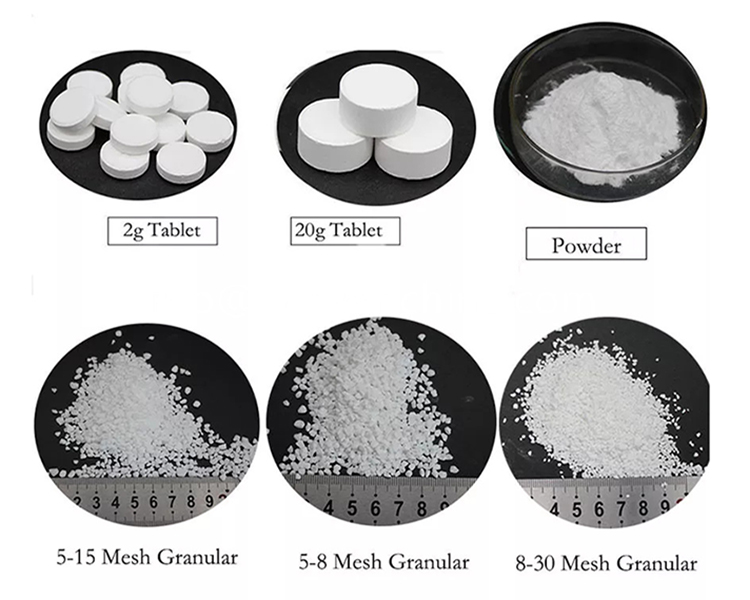
One of the most significant advantages of Calcium Hypochlorite is its stability. In granular or tablet form, CHT maintains its available chlorine content significantly longer than liquid sodium hypochlorite, which degrades rapidly when exposed to heat or sunlight. For bulk chemical sourcing, this means less waste and more consistent potency over time. Facilities operating in warm climates or with limited climate-controlled storage find CHT to be a more reliable partner in maintaining food processing sanitation standards.
Cost-Efficiency and Storage
Logistics play a huge role in B2B procurement. Sodium Hypochlorite is mostly water, meaning buyers often pay to ship weight that provides no sanitizing value. Calcium Hypochlorite, typically available with 65-70% available chlorine, offers a much higher concentration. This reduces shipping frequency and storage footprint. For large-scale operations looking for industrial bleach alternatives, the reduced storage space and lower freight costs associated with dry CHT can result in substantial annual savings.
Regulatory Compliance and Safety
Compliance with FDA, EFSA, or local food safety authorities is non-negotiable. High-quality Calcium Hypochlorite designed for food contact surfaces meets stringent purity standards, minimizing heavy metal impurities. However, safety handling is paramount. Unlike some newer alternative sanitizers that may require complex generation equipment, CHT is straightforward to dose when proper protocols are followed. It provides a robust residual effect, ensuring surfaces remain sanitized longer between production runs.
Conclusion
Choosing the right sanitizer is a balance of efficacy, cost, and logistics. While alternatives like Chlorine Dioxide have niche applications, Calcium Hypochlorite offers the best all-around value for general food processing sanitation. Its superior stability, higher concentration, and lower logistical burden make it the preferred choice for discerning B2B buyers. By switching to a high-grade CHT supply, facilities can mitigate risk, reduce operational costs, and ensure the highest standards of food safety.
FAQ
Q: Is Calcium Hypochlorite safe for direct food contact?
A: When used at recommended concentrations for rinsing or sanitizing surfaces, food-grade Calcium Hypochlorite is approved by major regulatory bodies. Always adhere to local ppm guidelines.
Q: What is the typical shelf life of granular Calcium Hypochlorite?
A: Stored in a cool, dry place away from direct sunlight, high-quality granules can maintain potency for up to 2-3 years, far exceeding liquid alternatives.
Q: Do you offer custom packaging for bulk orders?
A: Yes, we provide various packaging options suitable for large-scale industrial use, including drums and super sacks, to match your facility’s handling capabilities.
Q: How does CHT compare to Chlorine Dioxide in cost?
A: While Chlorine Dioxide is effective, it often requires on-site generation equipment. CHT is generally more cost-effective for standard sanitation without additional capital expenditure.
Author: Dr. Marcus Thorne
