
Here is the SEO-optimized article written from the perspective of a water treatment industry expert, tailored for a B2B audience.
Affordable TCCA Solutions for Water Treatment Professionals
Author: Thomas Reynolds
In the complex landscape of industrial and commercial water management, professionals are constantly balancing the need for efficacy with the pressure of operational costs. As a seasoned consultant who has worked with municipal plants, large-scale swimming facilities, and industrial cooling towers, I understand the specific challenges you face. You need a product that guarantees safety, longevity, and regulatory compliance without breaking the budget.
That is where Trichloroisocyanuric Acid (TCCA) stands out as a game-changer. For professionals seeking a reliable, cost-effective, and potent chlorination solution, TCCA offers a superior alternative to traditional liquid or gas chlorine. This article will delve into why TCCA is the preferred choice for modern water treatment professionals and how it can optimize your specific application.
The Core of Chlorination: Understanding TCCA
Trichloroisocyanuric Acid (TCCA) is an organic chlorine compound widely recognized for its high stability and efficiency. Unlike sodium hypochlorite, which degrades rapidly in sunlight, TCCA maintains its potency over extended periods. This makes it the ideal solution for environments where consistent, long-lasting disinfection is non-negotiable.
As a water treatment expert, I have seen how TCCA’s unique chemical structure—containing a high available chlorine content (typically 90% or higher)—provides a robust defense against pathogens, algae, and bacteria. Its granular or tablet form allows for precise dosing, ensuring that your water remains within the required safety parameters without the volatility associated with other chlorination methods.
Why Professionals Choose TCCA Over Alternatives
When evaluating water treatment chemicals, the decision often comes down to safety, storage, and residual impact. Here is why TCCA consistently outperforms its competitors in the eyes of industry veterans:
- Unmatched Stability: TCCA is photostable, meaning it does not break down quickly under UV light. This is a critical advantage for outdoor applications like swimming pools and cooling towers.
- Cost Efficiency: Because of its high chlorine content, you use less material to achieve the same (or better) results compared to lower-concentration alternatives. This translates directly to a lower cost per treated volume of water.
- Ease of Handling: Unlike hazardous gas chlorine, TCCA is a solid. This eliminates the need for complex gas handling equipment, reducing both capital expenditure and safety risks.
Key Applications of TCCA in Industrial Settings
Based on my experience advising various sectors, TCCA is not a one-trick pony. It is a versatile solution that adapts to several distinct industrial needs.
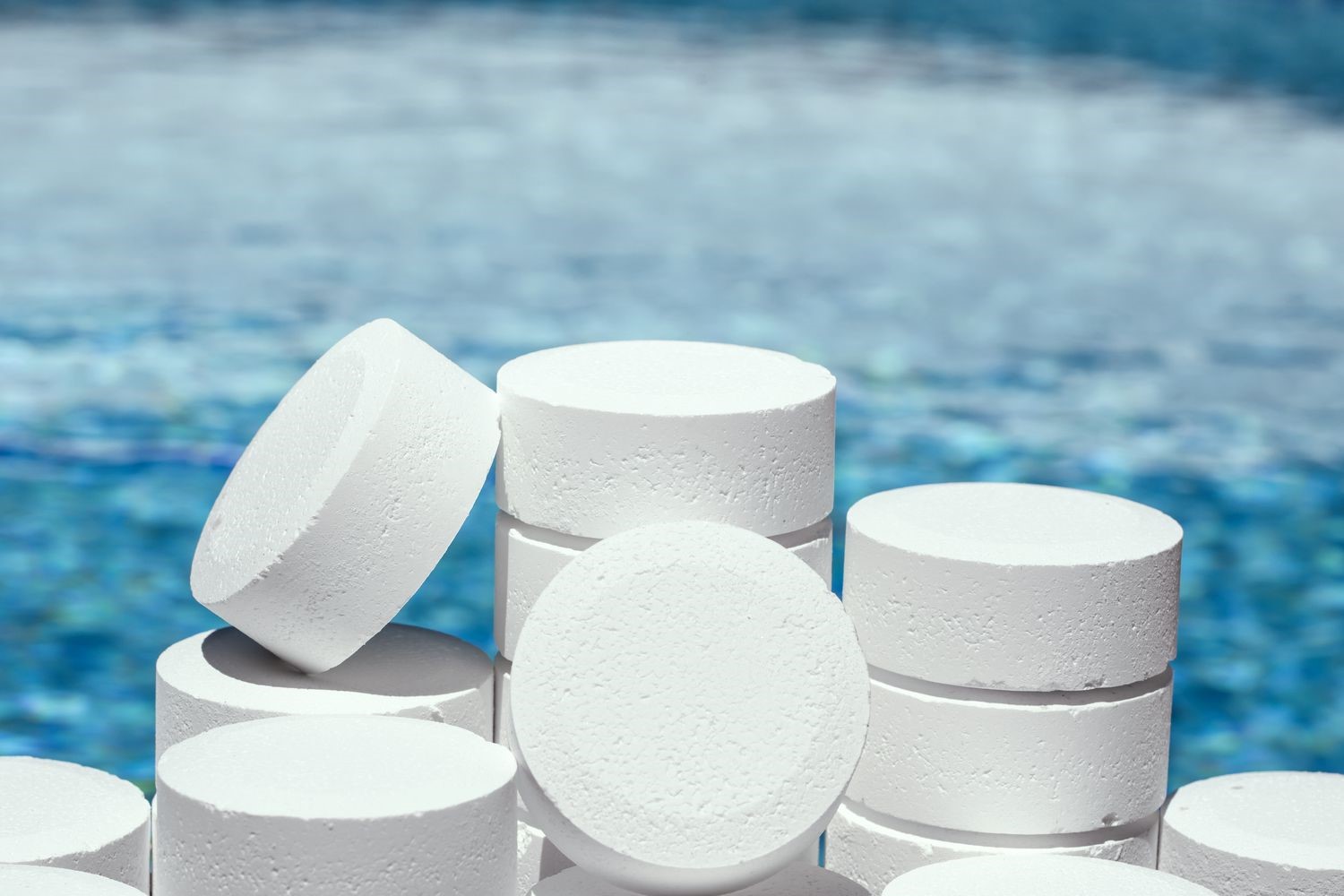
Swimming Pools & Aquatic Facilities For facility managers, maintaining crystal-clear water while ensuring swimmer safety is paramount. TCCA tablets are the backbone of automated chlorination systems. They dissolve slowly, providing a steady residual that prevents algae blooms and kills harmful bacteria like E. coli and Pseudomonas. The ability to maintain a consistent Cyanuric Acid (stabilizer) level also protects the chlorine residual from the sun, making it the most affordable choice for outdoor venues.
Industrial Cooling Water Systems In cooling towers, biofilm and algae growth are the enemies of efficiency. Biofilm buildup insulates heat exchange surfaces, forcing systems to work harder and consume more energy. By utilizing TCCA in cooling water treatment, engineers can effectively control microbial growth. Its solubility allows it to be fed into the system via erosion feeders, ensuring that the water remains a hostile environment for microbes without frequent manual intervention.
Drinking Water & Wastewater Disinfection While often associated with pools, TCCA is also a viable solution for potable water treatment and wastewater effluent disinfection, particularly in decentralized or emergency scenarios. Its stability makes it suitable for long-term storage in disaster relief kits or remote rural water systems where liquid chlorine supply chains are unreliable.
Navigating the Market: Finding Affordable Solutions
As an industry insider, I often get asked: “How do I find high-quality TCCA without the premium price tag?”
The answer lies in sourcing from manufacturers who prioritize R&D and vertical integration. You do not need to sacrifice purity for affordability. The key is to look for suppliers who offer TCCA in various forms—whether you need granular TCCA for rapid shock treatment or 200g tablets for slow erosion feeders.
Professionals should seek partners who understand the nuances of the chemical supply chain. By working directly with manufacturers who control the production process from raw materials to the final product, you eliminate middleman markups. This is how you access Affordable TCCA Solutions that do not compromise on the 90%+ available chlorine standard.
Safety and Storage: A Professional’s Guide
While TCCA is safer to handle than gas chlorine, it is still a potent oxidizer. As a professional, you must store it in a cool, dry, and well-ventilated area, away from direct sunlight and incompatible materials (such as ammonia or acids).
One of the most significant advantages for logistics managers is its solid-state transport. It is not classified as a hazardous liquid for shipping in the same way that bulk sodium hypochlorite is, which further reduces your operational costs and insurance liabilities.
The Future of TCCA in Water Management
Looking ahead, the role of TCCA is evolving. The industry is moving towards “smart” dosing systems where TCCA is used in conjunction with automated controllers. These systems monitor ORP (Oxidation-Reduction Potential) and pH levels, feeding TCCA only when necessary. This precision approach not only saves money but also minimizes the formation of disinfection by-products (DBPs).
For professionals looking to future-proof their operations, investing in high-purity TCCA that dissolves cleanly and leaves minimal residue is the strategic move. It ensures compatibility with automated systems and reduces maintenance downtime for filter cleaning.
Frequently Asked Questions (FAQ)
1. What is the difference between TCCA and Sodium Hypochlorite? TCCA is a solid, organic chlorine with high stability and a high available chlorine content (approx. 90%). Sodium Hypochlorite is a liquid with a lower chlorine content (10-15%) that degrades rapidly, especially in heat and sunlight. TCCA is generally more cost-effective for long-term storage and outdoor use.
2. Is TCCA safe for drinking water? Yes, TCCA is approved for use in drinking water disinfection in many regions, provided it meets specific purity standards (such as NSF/ANSI 60 certification). However, it does raise Cyanuric Acid levels, which must be monitored to prevent chlorine lock.
3. How do I calculate the correct dosage of TCCA for my pool or cooling tower? Dosage depends on the volume of water, the current bather load (for pools), or the microbial activity (for cooling towers). A general rule of thumb is 1-3 ppm of free chlorine residual. For precise calculations, you should use a feeder system or consult a water chemistry calculator based on the specific TCCA product’s solubility.
4. Why is my TCCA not dissolving? If your TCCA tablets or granules are not dissolving, it is likely due to low water temperature or high pH levels. TCCA dissolves slower in cold water. Ensure your water circulation is adequate and that the pH is maintained between 7.2 and 7.8 for optimal dissolution.
5. Where can I source bulk TCCA? For professionals seeking Affordable TCCA Solutions, it is recommended to contact manufacturers directly. You can explore options and request a quote from established chemical suppliers.
