
Who Bears the Cost When a Polyphosphate Trial Lot Fails Specification?
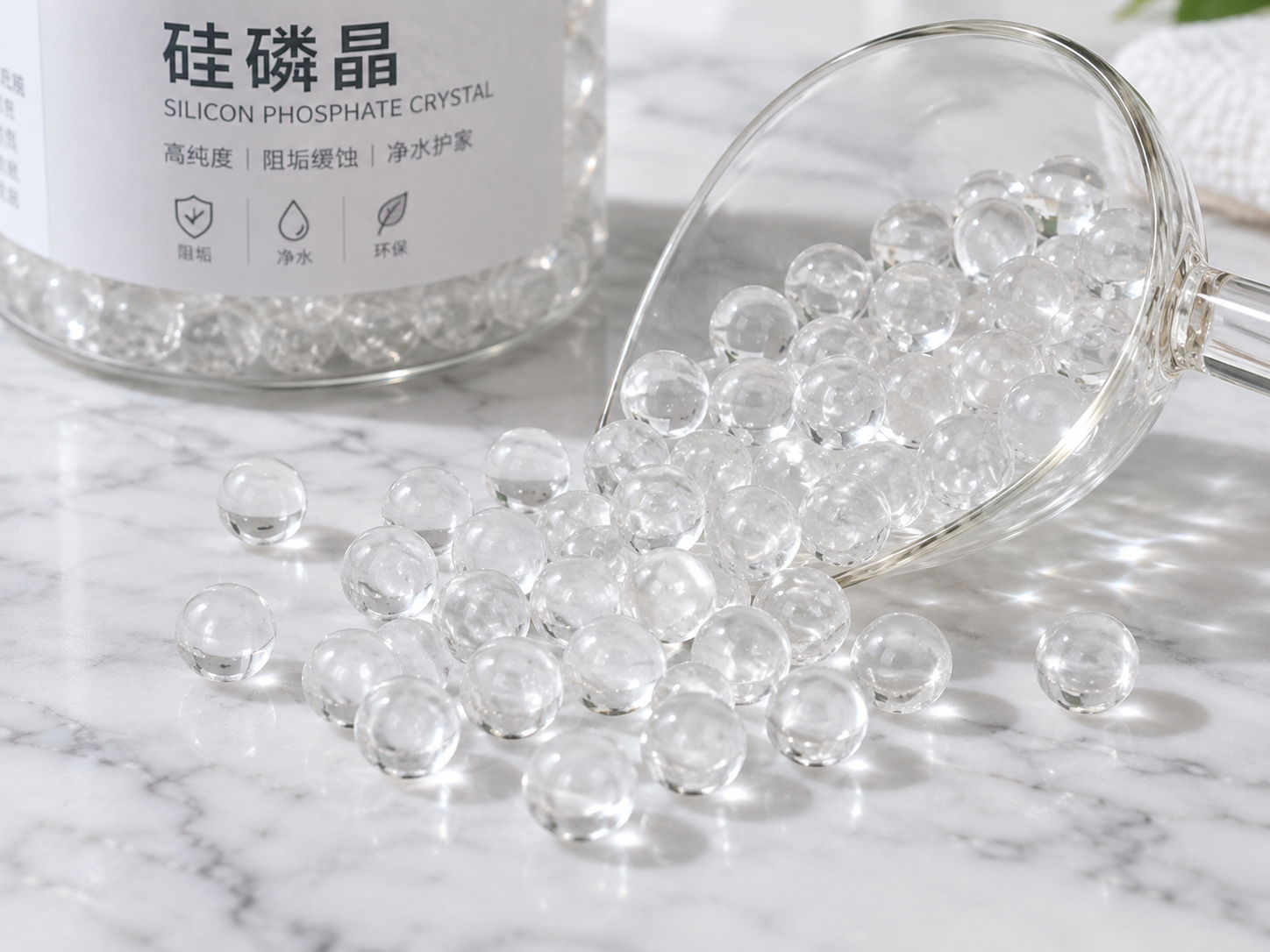
In most polyphosphate supply agreements, the party that defines the acceptance criteria and has the right to reject the lot also carries the financial risk of that rejection—unless the contract states otherwise. If a trial lot of siliphos crystal or polyphosphate media does not meet the agreed specification, the supplier typically absorbs the loss when the material is proven defective, but the buyer absorbs it when the failure stems from a mismatch between the supplier’s standard grade and the buyer’s unverified expectations. Clear, written acceptance protocols in the purchase order or supply contract are the single most effective way to avoid disputes.
This article explains how trial lots work in polyphosphate procurement, what makes a lot “unusable” from a contractual standpoint, and how buyers and suppliers can structure agreements so that neither side faces an unexpected bill.
What Actually Makes a Trial Lot “Unusable”?
A trial lot becomes unusable only when it fails a condition that both parties agreed to in advance. Vague dissatisfaction—such as “the crystals look different” or “performance feels off”—does not automatically shift cost to the supplier. Usability must be tied to measurable, pre-defined parameters.
Common Grounds for Rejection
- Composition outside tolerance. The polyphosphate chain length, orthophosphate content, or active-ingredient percentage falls outside the range specified in the contract.
- Physical form defects. Excessive fines, caking, discoloration, or contamination that prevents the material from functioning in the buyer’s dosing or filtration equipment.
- Certification mismatch. The supplier provides a certificate of analysis that does not match the batch delivered, or the claimed grade (for example, food-grade versus industrial-grade) is not substantiated.
- Performance failure under agreed test conditions. When both parties pre-agree on a pilot test method and the material does not achieve the stated scale-inhibition or corrosion-inhibition result.
If none of these conditions were documented before the trial lot was shipped, the buyer generally has weaker grounds to claim the supplier should pay.
How Risk Is Normally Allocated in Polyphosphate Supply Contracts
Industry practice varies, but three patterns dominate in contracts for siliphos crystal and similar polyphosphate media:
1. Supplier Bears the Risk of Non-Conforming Material
When the supplier quotes a specific grade and provides a certificate of analysis, the supplier is usually responsible for any lot that does not match those documents. The buyer can reject the shipment, request a replacement at no cost, or—if the contract includes a remedy clause—claim a credit. This is the most buyer-friendly arrangement and is standard when the buyer is a well-established distributor or OEM that sources from multiple suppliers.
2. Buyer Bears the Risk of Specification Errors
When the buyer submits a custom specification that the supplier manufactures to order, the supplier is typically not liable if the material conforms to the submitted spec but does not perform as the buyer expected. The buyer ordered the wrong grade or failed to communicate critical water-chemistry parameters (such as pH range, hardness level, or flow rate), so the cost of the unusable lot stays with the buyer.
3. Shared Risk Through Pilot-Test Clauses
Many contracts for polyphosphate media include a pilot or trial clause: a small quantity is shipped at reduced or no charge, both parties agree on a test protocol, and the outcome determines whether a full order proceeds. In this structure, the cost of the trial lot is usually borne by the party that initiated the trial. If the supplier proposes the trial to win the business, the supplier often absorbs the cost. If the buyer requests the trial to qualify a new vendor, the buyer typically pays—or the cost is deducted from the first conforming order.
| Scenario | Who Usually Pays | Key Condition |
|---|---|---|
| Lot fails supplier’s own COA | Supplier | Certificate of analysis was provided and is inaccurate |
| Lot matches COA but fails buyer’s custom spec | Buyer | Buyer defined spec without adequate water-chemistry data |
| Supplier-initiated trial lot fails agreed test | Supplier | Test protocol was signed off before shipment |
| Buyer-initiated trial lot fails agreed test | Buyer (or shared) | Contract specifies who funds the pilot |
Practical Steps to Protect Yourself Before Signing
Whether you are a water-treatment contractor evaluating a new polyphosphate source, an equipment manufacturer qualifying siliphos crystal for a dosing system, or a distributor placing a first order, the following checklist reduces the chance of an unpaid unusable lot:
- Define the grade in writing. Do not rely on a product name alone. State the active-ingredient range, physical form, maximum moisture, particle-size distribution, and any required certification (such as NSF/ANSI 61 for drinking-water contact, where applicable and verified for the specific product).
- Agree on a test method before the trial. Specify whether testing will be done by a third-party laboratory, by the buyer’s in-house team, or by the supplier, and which standard or protocol applies.
- Include a clear rejection window. Most contracts allow 10 to 30 days from receipt to notify the supplier of non-conformance. Put this in the purchase order so the clock starts when the material arrives, not when someone opens the box.
- Specify remedies. Will the supplier replace the lot, issue a credit, or refund the purchase price? If the lot is partially usable, can you negotiate a prorated charge?
- Document water conditions. Polyphosphate performance depends heavily on source-water parameters. If the buyer does not share hardness, pH, temperature, and iron or manganese levels, the supplier cannot guarantee results—and the buyer cannot reasonably blame the supplier for a mismatch.
Why “Unusable” Often Means “Unsuitable” Rather Than “Defective”
A frequent source of disputes is the difference between a material that is genuinely out of specification and one that is simply wrong for the application. Siliphos crystal designed for scale inhibition in a residential water softener, for example, may not perform adequately in a high-flow commercial cooling tower without a different dosage or formulation. If the buyer never told the supplier the intended use, the material is not defective—it is misapplied.
Polyphosphate media serve several distinct functions: scale inhibition (sequestering hardness ions so they do not precipitate), corrosion inhibition (forming a thin protective film on metal surfaces), and, in some formulations, limited dispersion of existing scale. A product that works well for one function may be unsuitable for another. Buyers should confirm with the supplier that the trial lot is intended for the exact mechanism and operating conditions they need.
When to Involve a Supplier Who Understands Both Chemistry and Contracts
The most productive supply relationships for polyphosphate media occur when the supplier is willing to help the buyer define realistic specifications rather than simply shipping whatever is in stock. If you are evaluating a new source for siliphos crystal or a related polyphosphate product, look for a partner that can discuss your water chemistry, suggest an appropriate grade, and put acceptance criteria in writing before any material moves.
ENVO CHEMICAL works with buyers who need clarity on product suitability before committing to a trial lot. Rather than guessing at specifications, the company provides technical data sheets and supports pre-shipment agreement on test parameters so that both sides know what “pass” and “fail” look like.
Five Questions Buyers Frequently Ask
- If I reject a trial lot, do I have to return it? Usually yes, unless the contract states otherwise. Confirm return-shipping responsibility in advance.
- Can I claim the trial lot cost against a future order? Only if the contract includes a credit or offset clause. Verbal promises are not enforceable.
- Does a food-grade claim mean the product is approved for drinking water in my country? Not automatically. Drinking-water approval depends on the destination market’s regulations and must be verified for the specific product and application.
- What if the supplier’s lab says the lot passes but my lab says it fails? The contract should name the arbiter—typically a mutually agreed third-party laboratory—and state which test method takes precedence.
- How small should a trial lot be? Small enough to limit your exposure but large enough to run a meaningful test. For siliphos crystal in a dosing system, a few kilograms is often sufficient for a bench-scale trial.
Start With the Right Agreement, Not the Right Product
The question of who pays for an unusable polyphosphate trial lot is ultimately a contract question, not a chemistry question. The chemistry tells you whether the material works; the contract tells you who pays when it does not. Get the specification, the test method, and the remedy clause in writing before the first bag ships, and you will rarely face an unexpected invoice.
If you are sourcing siliphos crystal or polyphosphate media and need help defining trial-lot parameters, share your application, source-water conditions, equipment type, and target specification with ENVO CHEMICAL. The right conversation before the order saves cost after the delivery.
