
How to Tell a Serious Polyphosphate Buyer from a Casual Inquiry at Trade Shows
The fastest way to separate real purchase intent from surface-level curiosity at a trade show is to ask three concrete questions early: what equipment or system are you building, what water parameters are you treating, and what volume do you need per production cycle. A visitor who can answer all three is almost always further down the buying funnel than one who only asks about product grades or generic features.
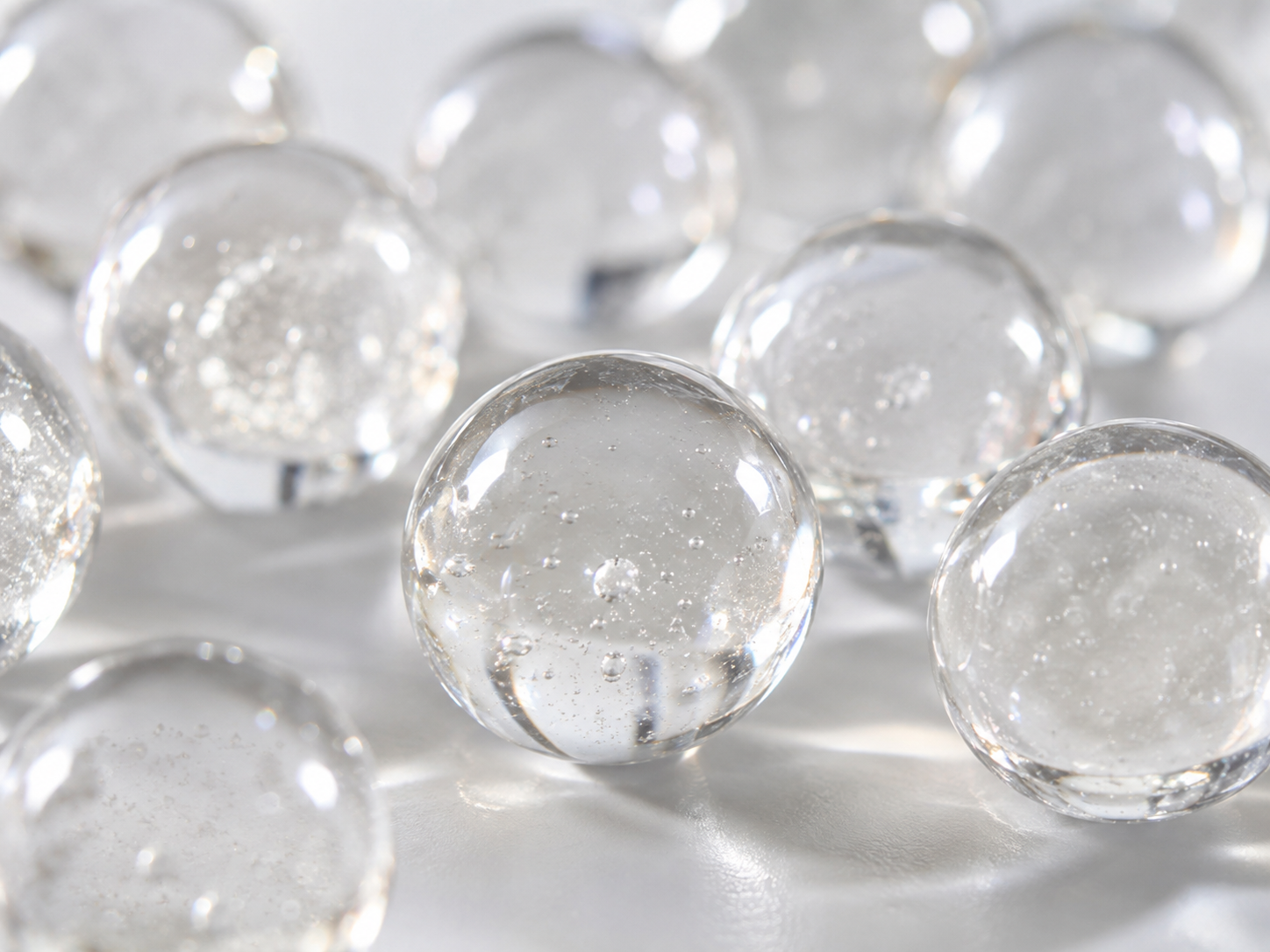
Polyphosphate crystals—sometimes marketed under names like Siliphos or similar phosphate-based sequestration media—attract a wide range of booth traffic. Some visitors are engineers validating a new corrosion-control concept. Others are procurement scouts scanning for alternative suppliers. A smaller group is ready to place a trial order or sign a distribution agreement. The challenge is spending your limited exhibition time on the right conversations.
What Polyphosphate Crystals Actually Do in Water Treatment
Before you can evaluate whether a trade-show lead is technically engaged or just browsing, it helps to be precise about what the material does—and what it does not do.
Polyphosphate crystals dissolve slowly in water and release orthophosphate and polyphosphate chains. These chains bind with calcium, magnesium, and other hardness ions so they remain in solution rather than precipitating as scale on pipes, heating elements, or appliance surfaces. This is scale inhibition, not scale removal. It does not soften water in the ion-exchange sense, it does not filter particles, it does not disinfect, and it does not replace a filtration stage.
In some formulations, the phosphate layer that forms on metal surfaces also provides a degree of corrosion inhibition, particularly for lead and copper in plumbing systems. However, corrosion performance depends on dose, water chemistry, temperature, and contact time. No single specification can be assumed to apply across all applications.
Key Functional Distinctions to Know Before Talking to Leads
- Scale inhibition: Prevents new scale from forming by sequestering hardness ions. Does not dissolve existing scale.
- Corrosion inhibition: A secondary benefit in certain formulations; effectiveness varies with water pH and metal type.
- Water softening: Not the same mechanism. Ion-exchange softeners replace hardness ions; polyphosphate keeps them suspended.
- Filtration: Polyphosphate media is not a mechanical filter. It may be used inside or alongside filter housings, but it does not trap sediment.
- Disinfection: No biocidal function. Any microbial control must come from a separate treatment step.
When a trade-show visitor understands these distinctions, they are more likely to be evaluating a real application rather than just collecting brochures.
Five Signals That a Trade-Show Lead Has Real Buying Intent
Not every interested party will arrive with a purchase order, but certain signals reliably separate technical evaluation from casual interest.
- They specify the system type. Someone building an inline drinking-water dispenser, a commercial ice machine, or a boiler pre-treatment loop has already defined a use case. A visitor who says “I work in water treatment” without specifying the equipment is probably still exploring.
- They bring water analysis data. Hardness, pH, TDS, and temperature numbers tell you they have a real project. Leads who only ask “does it work in hard water” are at an earlier stage.
- They ask about dosing and dissolution rate. This is an application-engineering question, not a marketing one. It means they are thinking about how the crystal integrates into a process.
- They inquire about regulatory or compliance documentation. Asking for material safety data, food-contact declarations, or third-party test reports signals that they are preparing for a formal approval or import process.
- They mention volume, packaging, or logistics. Questions about pallet quantities, container types, or destination-country requirements are procurement signals, not technical ones.
Why Some Technically Interested Leads Are Not Yet Buyers
A common mistake at trade shows is treating every detailed technical question as a near-term sale. In reality, several factors can delay a purchase even when the interest is genuine.
- Product validation is still ongoing. The buyer may be running pilot tests with a competitor material and is using your booth to benchmark alternatives.
- Internal approval takes time. Especially in large OEMs or municipal contracts, a material change requires engineering sign-off, procurement review, and sometimes regulatory clearance.
- They need to confirm drinking-water suitability. A material described as food-grade in one market does not automatically meet the requirements of another. Buyers must verify compliance for their specific destination and application conditions.
- Specification details are unresolved. Crystal size, dissolution profile, phosphate concentration, and compatibility with existing components all need to be matched before a purchase decision is made.
Recognizing these delays lets you allocate follow-up resources wisely. A lead that is six months from a decision still deserves a technical response—but not the same urgency as one requesting a quotation this quarter.
How to Qualify a Lead Without Pushing for a Sale
The most effective approach at a trade show is to offer a specific, useful piece of information in exchange for a concrete detail about the visitor’s project. This builds trust and gives you a reason to follow up later.
For example, if someone asks whether polyphosphate crystals work in high-temperature boiler feedwater, you can explain that elevated temperatures accelerate dissolution and may shift the balance between sequestration and precipitation—and then ask what their operating temperature range is. If they share that number, you now have a data point to reference in a follow-up email with a tailored recommendation.
Avoid generic pitches like “we are a leading manufacturer.” Instead, focus on the technical gap the visitor is trying to close. That is what separates a conversation that leads to an inquiry from one that ends with a business card in the bin.
Common Misunderstandings That Waste Time on Both Sides
Several recurring confusions show up at trade-show conversations about phosphate-based media. Clearing them early saves everyone effort.
| Misunderstanding | What Is Actually True |
|---|---|
| “Polyphosphate removes existing scale.” | It prevents new scale formation. Existing scale requires mechanical or chemical descaling. |
| “Any phosphate crystal is the same.” | Composition, crystal structure, dissolution rate, and purity vary between manufacturers and product lines. Performance is not interchangeable. |
| “If it is food-grade, it is safe for drinking water everywhere.” | Food-contact status in one jurisdiction does not guarantee compliance elsewhere. Destination-market regulations must be verified for the specific product and use. |
| “More phosphate means better protection.” | Overdosing can cause secondary issues, including excessive phosphate discharge or interference with downstream treatment. Optimal dose depends on water chemistry. |
| “This replaces the need for any other water treatment.” | Polyphosphate is typically one component in a multi-barrier approach. It does not replace filtration, disinfection, or softening where those are required. |
What ENVO CHEMICAL Offers in This Space
ENVO CHEMICAL supplies polyphosphate-based crystal products formulated for scale inhibition in water-treatment applications. The company’s materials are positioned for use in residential, commercial, and industrial systems where controlled phosphate dosing is needed. Specific technical parameters, including dissolution behavior, phosphate content, and recommended operating conditions, vary by product grade and must be confirmed against the target application.
For buyers who have already identified a use case and need to evaluate material compatibility, ENVO CHEMICAL can provide product data sheets and answer application-specific questions. For those still in the research phase, the company focuses on giving enough technical detail to make an informed comparison—without requiring a commitment before the buyer is ready.
How to Move a Qualified Lead Toward a Purchasing Decision
Once you have confirmed that a trade-show contact has a defined application, water-quality data, and a realistic timeline, the next steps are straightforward.
- Request or share a water analysis summary so both sides can discuss dosing and compatibility.
- Clarify whether the need is for a finished product (pre-blended crystals, cartridge inserts) or raw material for in-house blending.
- Confirm destination-country requirements, especially if the end use involves drinking water or food contact.
- Agree on a sample or trial quantity that matches the scale of the real project, not a token amount.
- Document the technical specifications they need—crystal size range, phosphate type, dissolution target—so the quotation is accurate on the first pass.
Each of these steps filters out leads who were never going to buy and accelerates those who were.
Frequently Asked Questions About Polyphosphate Trade-Show Leads
Should I send a price list to every interested visitor?
No. Sending a generic price list to someone who has not shared application details usually results in no reply. Wait until you know their system type, water conditions, and approximate volume need. A tailored response gets a much higher reply rate.
How long after a trade show should I follow up?
Within five to seven business days is standard. After that, the conversation cools. Your follow-up should reference something specific from the booth discussion—a water parameter they mentioned, a question they asked—so it does not read as a mass email.
What if the lead is comparing my product to a competitor’s?
That is normal and often a sign of real interest. Offer to share technical data that addresses the specific performance question they are comparing, rather than making broad superiority claims. Let the data do the work.
Do I need to know if their final product is for drinking water before we talk?
You do not need to know it upfront, but you should ask early. If drinking-water suitability is a factor, both parties need to verify regulatory compliance for the exact product and destination before any purchase commitment is made.
Ready to Discuss Your Polyphosphate Application?
If you are evaluating phosphate-based scale inhibition media for a specific water-treatment system, we can help you narrow down the right product grade and confirm whether our materials fit your parameters. Share your application type, key source-water characteristics, target equipment, and approximate volume requirement—and we will respond with the technical details you need to make a decision.
