
Why Polyphosphate Projects Stall: What to Report and How to Fix It
Most water-treatment projects that use polyphosphate agents stall because someone misidentifies what the agent actually does, applies it outside its effective range, or fails to document the gap between expected and real performance. Tracking these root causes systematically—rather than treating each delay as an isolated problem—lets project managers, contractors, and equipment suppliers correct course before cost overruns or client disputes escalate.
This article breaks down the most common failure points you should log in any polyphosphate reporting workflow, explains the technical reasons behind each, and gives you a practical checklist for keeping projects on schedule.
Common Reasons Polyphosphate-Based Projects Lose Momentum
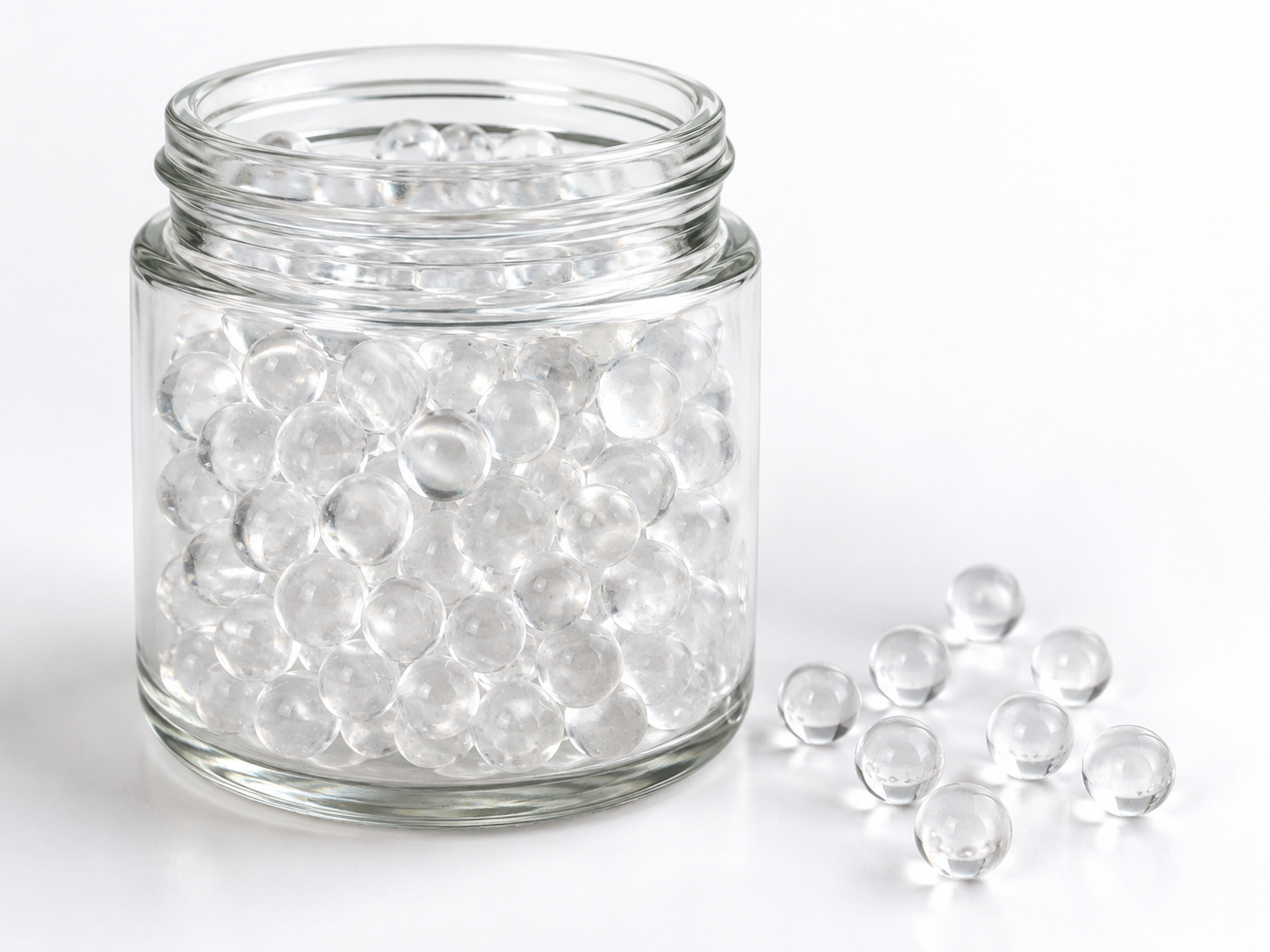
Polyphosphate media—including siliphos-type crystals, soluble polyphosphate blends, and bead-format sequestering agents—all work on the same core principle: they bind dissolved hardness ions in solution to prevent scale deposition. They do not soften water, they do not remove existing scale, and they do not disinfect. When any of these distinctions gets blurred in project documentation or field execution, confusion multiplies.
1. Misaligned Performance Expectations
The problem: A contractor installs a siliphos crystal dosing unit expecting hard-scale removal, only to find the existing limescale on pipe walls untouched. The client assumes the system failed.
What to report: Record whether the specification called for scale inhibition (preventing new deposit) or scale removal (dissolving existing deposit). Polyphosphate agents inhibit; they do not dissolve. If the project requires both, a separate cleaning or acid-flush step must be scheduled and documented.
2. Dosage and Contact-Time Gaps
The problem: Polyphosphate concentration drops below the threshold needed to sequester calcium and magnesium. This happens when flow rates exceed design capacity, when the media bed is exhausted, or when feed pumps drift out of calibration.
What to report: Log actual influent hardness, flow rate, and measured polyphosphate residual at the point of application. Without these three data points you cannot confirm whether the agent was present in sufficient quantity for the required contact time. Many stalled projects never captured this baseline, so troubleshooting becomes guesswork.
3. pH and Temperature Outside the Effective Window
The problem: Polyphosphate sequestering efficiency changes with pH and temperature. At very low pH (below roughly 5.5) or very high temperature (above 80 °C in many formulations) the binding capacity drops sharply. A project designed for a temperate climate may underperform in a tropical installation if this is not flagged.
What to report: Note the operating pH and temperature range at the dosing point. If your source water or process conditions fall outside the verified range for the specific product you selected, that is a primary stall factor and must be escalated before the system is commissioned.
4. Material Compatibility and System Design Errors
The problem: Using a polyphosphate agent in a system that also requires corrosion inhibition can create conflicts. Some polyphosphate formulations work alongside orthophosphate corrosion programs; others do not. Similarly, bead-format polyphosphate media requires a specific vessel geometry and backwash protocol—install it in the wrong housing and flow channeling kills performance.
What to report: Document the full water-treatment train. List every chemical agent, every vessel type, and every material of construction that contacts the treated water. Cross-reference this with the polyphosphate supplier’s compatibility guidance for the exact grade in use.
5. Regulatory and Certification Uncertainty
The problem: A project intended for potable water stalls because nobody confirmed whether the specific polyphosphate product carries the necessary approval for the destination market. “Food grade” is a manufacturing descriptor, not a regulatory clearance. Drinking-water suitability must be verified against the exact standards of the country or region where the water will be consumed.
What to report: Record the product’s certificate of analysis, any third-party test reports, and the specific regulatory standard it has been evaluated against. If no such documentation exists for your application, flag it immediately—this is often the single longest delay factor.
How to Build a Reporting Framework That Prevents Stalls
Instead of reacting to each delay individually, set up a lightweight reporting cycle that catches issues at four stages: pre-design, commissioning, early operation, and scheduled review.
| Stage | Key Data to Capture | Stall Signal to Watch |
|---|---|---|
| Pre-design | Source-water hardness, pH, temperature, flow, regulatory target | Specification calls for scale removal but only polyphosphate is budgeted |
| Commissioning | Initial polyphosphate residual, pressure drop across media, backwash frequency | Residual below detection at design flow |
| Early operation (first 30 days) | Weekly residual checks, visual inspection of downstream fixtures, any taste or color complaints | Residual declining faster than expected |
| Scheduled review (quarterly) | Media bed condition, replenishment rate, any regulatory updates | Replenishment volume exceeding projected consumption |
This table is a starting template. Adjust the intervals and parameters to match your equipment type, water chemistry, and project size. The goal is not perfection—it is visibility.
Choosing the Right Polyphosphate Form for Your Project
Not every polyphosphate product fits every application, and choosing wrong is itself a documented cause of project stalls. Three common formats deserve separate consideration.
- Siliphos-type crystals: Typically used in small-scale or point-of-use dosing where a slow-dissolve solid is preferred. Suitable where precise low-dose feeding is needed and where the vessel can accommodate crystal bed depth.
- Bead or pellet media: Installed in a dedicated vessel with controlled flow. Requires backwashing and periodic media replacement. Best for larger commercial or light-industrial flows.
- Soluble liquid polyphosphate: Fed via metering pump. Offers fine dose control but needs storage tank management and pump maintenance.
The selection decision hinges on flow volume, available space, maintenance capacity, and whether the application is potable or non-potable. Document your rationale in the project file so that if a change order arises, the reasoning is already on record.
Distinguishing What Polyphosphate Can and Cannot Do
A frequent source of miscommunication—and therefore project delay—is confusing the mechanism of polyphosphate with other treatment functions. Keep these distinctions clear in every project report.
- Scale inhibition: Polyphosphate binds dissolved hardness to keep it in solution. This is its primary function.
- Corrosion inhibition: Some polyphosphate blends contribute a mild corrosion-inhibiting effect, but they are not a substitute for a dedicated corrosion program where required.
- Water softening: Polyphosphate does not exchange ions the way ion-exchange resin softeners do. It does not reduce total dissolved solids.
- Scale removal: Existing deposits must be addressed by mechanical cleaning, acid flushing, or a separate chemical descaler. Polyphosphate will not dissolve them.
- Filtration: Polyphosphate media in bead form may provide some particulate trapping, but it is not a certified filter medium unless specifically tested and rated as such.
- Disinfection: Polyphosphate has no biocidal activity. It does not replace chlorine, UV, ozone, or any other disinfectant.
When a project report lists “polyphosphate treatment” without specifying which of the above functions is intended, assume a stall is likely. Clarify the objective in writing before equipment is ordered.
When to Escalate and When to Adjust
Not every data gap means the project must stop. Use this short decision guide.
- Data missing but performance looks acceptable: Continue operation, but schedule the missing measurement within seven days. Document the interim assumption.
- Residual consistently low despite correct dosing: Check for competing ions (iron, heavy metals) that may be consuming the polyphosphate. Test and report findings before increasing dosage blindly.
- Regulatory approval not confirmed for potable use: Stop the potable-water line of the project until verification is complete. Do not proceed on a “probably fine” basis.
- Media bed channeling or pressure drop spike: Shut down, backwash or replace media, and log the event. This is a hardware issue, not a chemistry issue—address it on the mechanical side.
Get the Right Material Before the Next Phase Starts
If your current project has already identified a polyphosphate specification gap—whether it is the wrong crystal format for your flow, an unverified grade for potable contact, or a missing compatibility check with your corrosion program—resolving it early saves weeks of downtime. ENVO CHEMICAL supplies siliphos crystal and related polyphosphate media for water-treatment applications, and we can help you match the exact grade, format, and documentation to your project conditions.
To move forward efficiently, share the following with our technical team: your application type (potable or non-potable), source-water hardness and pH, equipment configuration, required regulatory standard for the destination market, and the approximate quantity or dosing capacity you need. We will confirm what can be supplied and what must still be verified on your side before you commit to a purchase.
