
Why a Siliphos Proposal Fails When You Only Speak to One Person
The single most common reason a polyphosphate scale-inhibition proposal stalls is not the product—it is the proposal structure. When a buying organization includes a procurement lead, a technical engineer, a facilities manager, and a finance or compliance officer, a document written for any one of them will leave the others unconvinced. The fix is straightforward: map every stakeholder’s priority, build a proposal section that speaks directly to it, and lead with the technical evidence that makes the purchase defensible across departments.
Siliphos crystal—a branded polyphosphate media used primarily for threshold-treatment scale inhibition in water systems—does not sell itself on chemistry alone. It sells because a cross-functional team can each find a reason to approve it. Below is a practical framework for building that kind of proposal.
Map the Decision-Maker Landscape Before You Write
Who typically sits on the buying committee for polyphosphate dosing systems?
In most B2B water-treatment purchases, four roles carry veto power or sign-off authority. Knowing what each one needs lets you stop writing a single-audience document and start writing a multi-track proposal.
| Role | Primary Concern | What the Proposal Must Prove |
|---|---|---|
| Technical / Engineering | Performance against target water chemistry (hardness, pH, temperature) | Dosing effectiveness, compatibility with existing equipment, no adverse reaction with disinfectants or pipe materials |
| Procurement / Purchasing | Supplier reliability, lead time, payment terms, total cost of ownership | Consistent supply, clear specifications, documented quality controls |
| Facilities / Operations | Ease of installation, maintenance frequency, system footprint | Simple dosing hardware, predictable media replacement interval, minimal downtime |
| Compliance / Finance | Regulatory fit, budget impact, risk exposure | Applicable certifications, documented test results, lifecycle cost comparison |
If you hand the same one-page spec sheet to all four, at least two will find it incomplete. The proposal becomes a package: a technical brief, a commercial summary, an operations guide, and a compliance checklist, each brief enough to read independently but cross-referenced so the committee sees a coherent case.
Structure the Proposal in Four Tracks
Track 1 — Technical justification
Open with the water-quality problem the buyer is trying to solve. Scale inhibition is not the same as water softening, scale removal, or filtration. Siliphos-type polyphosphate crystals work by threshold treatment: they sequester calcium and other hardness ions in solution so that crystals do not nucleate and deposit on heat-exchange surfaces, even though the total hardness of the water does not change. State this distinction clearly—it prevents a common objection (“Why is the water still hard?”).
What to include:
- Source-water analysis the buyer has already shared, or a request for it if you do not yet have it.
- The target polyphosphate concentration range typically used for the identified water chemistry (this must be confirmed for the specific application; do not assume a universal dosage).
- Compatibility notes—polyphosphate can interact with certain metals and with high chlorine residuals, so flag what the buyer should verify in their system.
- A clear statement that the product is a scale inhibitor, not a disinfectant, not a filtration media, and not a softener resin.
Track 2 — Commercial and supply assurance
Procurement teams ask the same questions every time: can you deliver, is the quality consistent, and what happens if demand spikes? Your proposal should reference your quality-management approach without making claims you cannot back up. If ENVO CHEMICAL provides batch documentation, consistency testing, or specific production details, cite what is verified. If any of those details are still to be confirmed for a given order, say so plainly.
Avoid vague phrases like “world-class quality.” Instead, describe what you can verify—for example, that each batch is produced under documented procedures, that you can provide a certificate of analysis on request, or that you can quote lead times once the quantity and destination are known.
Track 3 — Operations and maintenance picture
Facilities managers care about what happens after the purchase. A polyphosphate dosing system typically uses a small vessel or cartridge filled with crystal media through which water passes. The media dissolves gradually and must be replenished. Your proposal should explain:
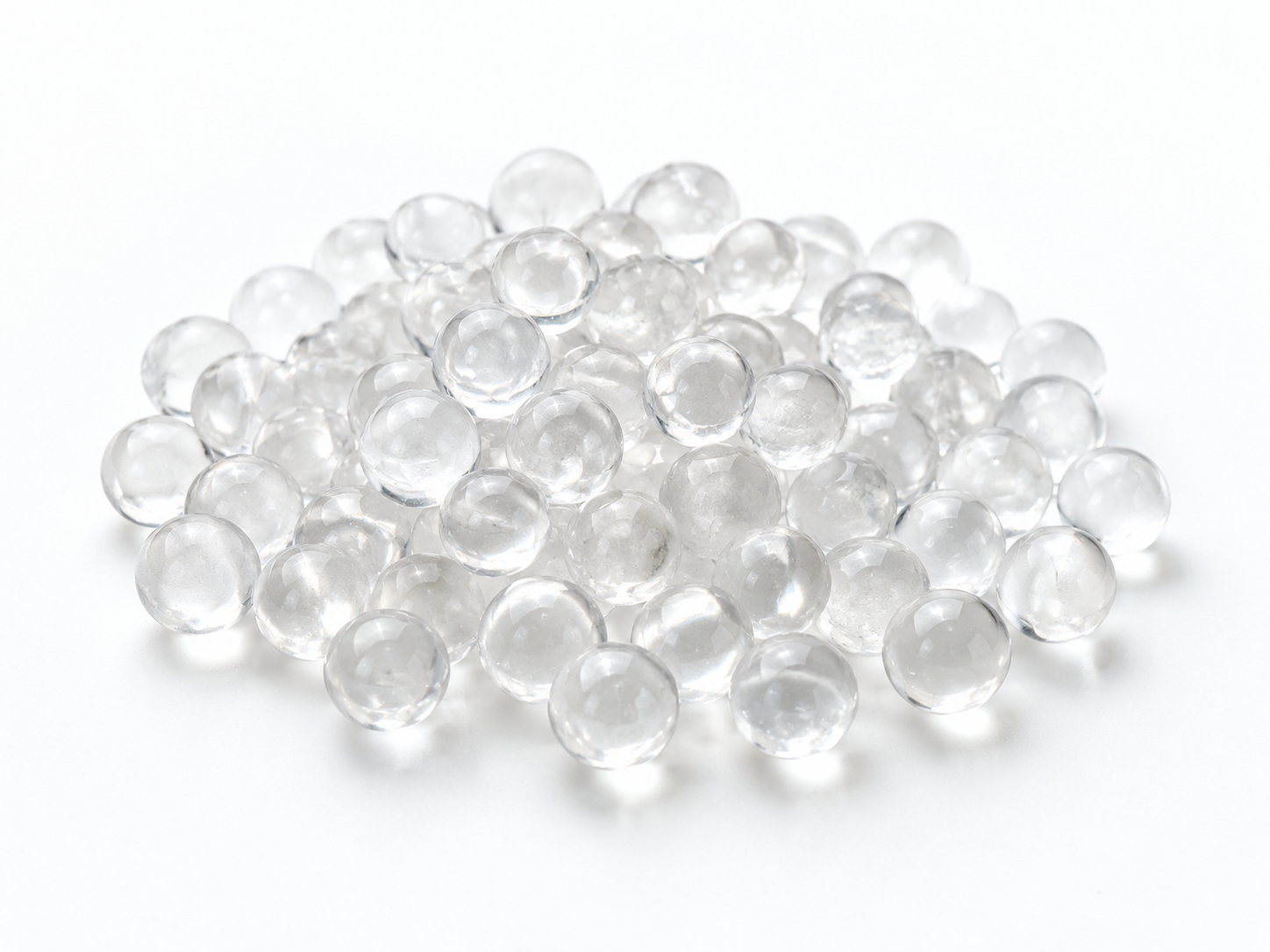
- The typical form factor (crystal beads, block, or custom-moulded shape) and how it fits into standard dosing vessels.
- That replacement frequency depends on water volume, hardness, and flow rate—so a generic “lasts 12 months” figure is misleading unless tied to specific conditions.
- That the system requires a feed pump or proportional dosing device, and that this hardware is usually sourced separately from the media supplier.
Being honest about what you do and do not supply prevents scope disputes later.
Track 4 — Compliance and regulatory fit
This is where many proposals collapse. Polyphosphate is used in some potable-water applications and in many non-potable ones (cooling towers, boiler make-up, commercial ice machines). “Food grade” or similar descriptors do not automatically mean a product is approved for drinking water in the buyer’s jurisdiction. The proposal must state:
- Whether the specific Siliphos product in question has been evaluated for the buyer’s intended end use.
- What certifications or test reports are available (e.g., NSF/ANSI standards, local drinking-water approvals—only if applicable and verified).
- That the buyer is responsible for confirming regulatory acceptance in their market before commissioning.
This protects both sides and builds trust with the compliance officer.
Common Mistakes That Kill Multi-Stakeholder Proposals
- Writing for the champion only. If one engineer likes the product but cannot convince the others, the deal dies. Give every stakeholder a one-page section they can forward internally.
- Burying the technical distinction. If the proposal does not explain that polyphosphate inhibits scale without removing hardness, finance will see no advantage over a softener and procurement will see no cost justification.
- Over-promising replacement intervals. Media life is water-dependent. Stating a fixed number without conditions invites disputes and erodes credibility.
- Omitting what you do not supply. Dosing pumps, vessels, plumbing fittings, and controls are often buyer-sourced. Silence on this looks like an attempt to upsell later.
- Assuming regulatory clearance. Never imply drinking-water suitability unless you have documented approval for the exact product in the exact market.
A Quick Checklist Before You Send
- Have you identified at least three distinct decision-maker roles in the buyer’s organization?
- Does the technical section distinguish scale inhibition from softening, filtration, and disinfection?
- Is every performance claim tied to a water condition or test result you can actually provide?
- Have you stated clearly which items (media only? media plus dosing hardware?) are in scope?
- Does the compliance section tell the buyer what they must verify locally?
- Is there a one-page executive summary that a non-technical manager can read in under two minutes?
What to Send Along With Your Proposal
A strong Siliphos proposal does not end with a PDF. Include a short cover note that asks the buyer to confirm a few specifics so you can refine the numbers: source-water hardness and pH, intended flow rate, whether the application is potable or non-potable, the equipment type the media will feed into, and the destination country for regulatory checking. The more precise their input, the fewer revision cycles you will need.
If your organization is evaluating polyphosphate crystal options and needs a proposal framework tailored to a specific water system, share your application details, water analysis if available, and the decision-maker roles you are addressing—ENVO CHEMICAL can help you assemble the right documentation for each track.
