
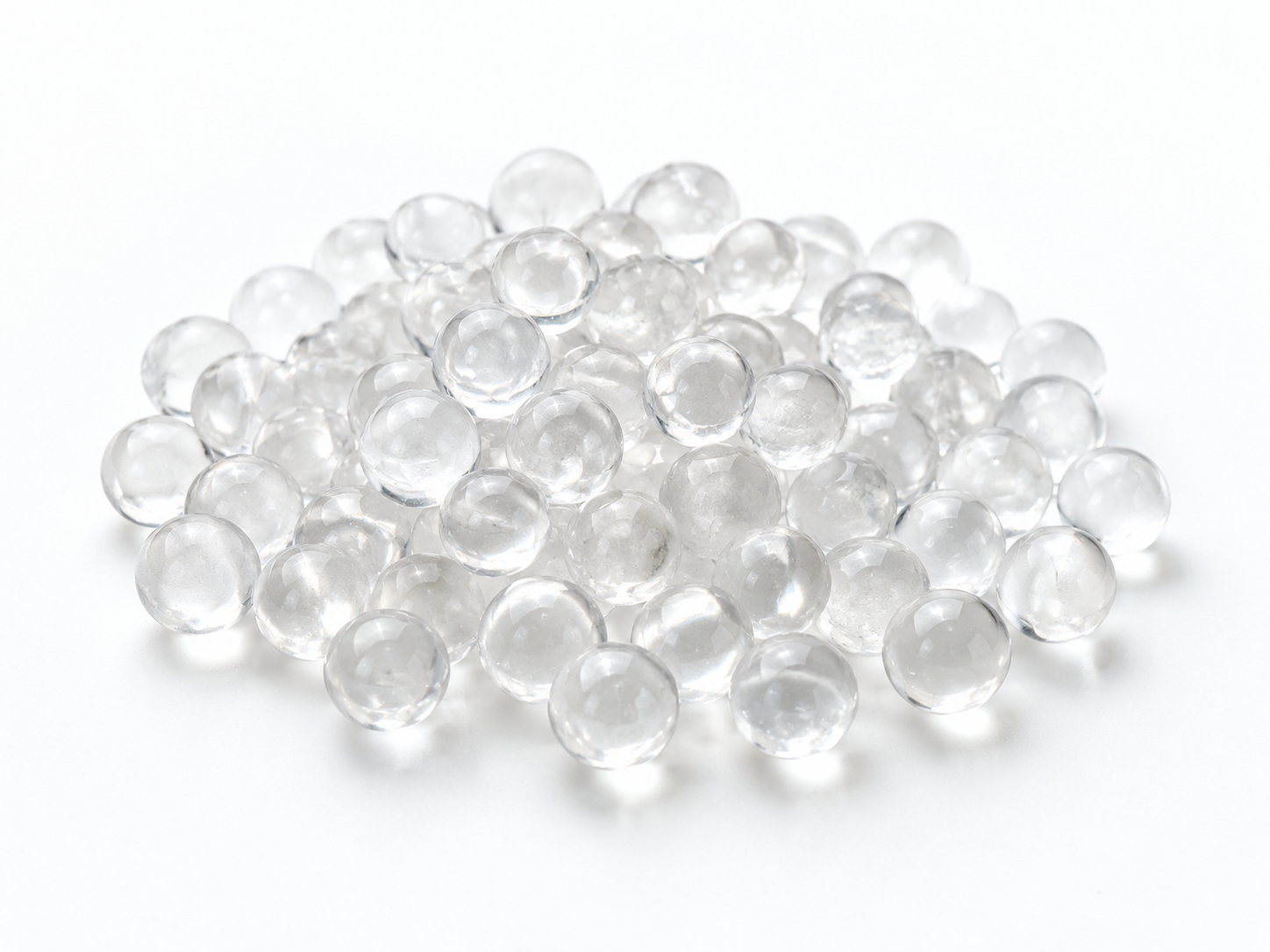
Polyphosphate Freight Planning: Why Container Volume Often Exceeds Payload Capacity
When you ship polyphosphate-based water-treatment media such as siliphos crystal in standard ocean containers, the freight constraint you hit first is usually weight, not space. A 20-foot container can hold roughly 28 cubic metres, yet the maximum gross weight allowed on most routes is about 21,600 kg. Because polyphosphate crystals carry a bulk density that easily surpasses the payload-per-volume ratio of that limit, you will often fill only part of the container by volume before reaching the legal weight ceiling. Understanding this mismatch is the starting point for every purchasing and logistics decision.
Who Needs This Calculation and Why
The readers most affected by polyphosphate freight planning are:
- Water-treatment equipment distributors who import siliphos crystal or polyphosphate media in bulk and must quote landed cost to end users.
- Procurement teams at municipal or industrial water utilities that schedule regular replenishment of scale-inhibition media.
- Freight forwarders and logistics coordinators handling chemical-grade cargo where both hazardous-material declarations and weight limits apply.
- Contractors installing point-of-entry polyphosphate dosing systems who need to plan how many pallets or drums fit into a single shipment.
The practical problem is not theoretical. Order the wrong container size or pack density and you either pay for unused cubic space or exceed axle-load regulations on the receiving side. The solution starts with a straightforward comparison between the product’s bulk density and the container’s rated payload.
Understanding Polyphosphate Bulk Density in Freight Terms
What is bulk density and why does it matter for shipping?
Bulk density is the mass of a material per unit volume when it sits loosely in a container, including the air gaps between granules. For polyphosphate crystal products used in scale inhibition—such as siliphos crystal—the bulk density typically ranges from about 900 kg/m³ to 1,200 kg/m³ depending on granule size, formulation, and packaging compression. This figure is critical because it tells you how many kilograms you can load into one cubic metre of container space.
Compare that with the payload limits of standard containers:
- 20-foot dry container (20′ GP): approximately 21,600 kg gross weight, about 28 m³ internal volume.
- 40-foot dry container (40′ GP): approximately 26,500 kg gross weight, about 59 m³ internal volume.
- 40-foot high-cube container (40′ HC): approximately 26,500 kg gross weight, about 68 m³ internal volume.
If your siliphos crystal product has a bulk density of 1,050 kg/m³, a 20-foot container reaches its weight limit at roughly 20.6 m³—leaving about 7 m³ of empty space. You have paid to ship air. A 40-foot container would reach weight limit at roughly 25.2 m³, leaving 34 m³ unused. In both cases, volume is not the bottleneck; weight is.
How does this differ from lighter water-treatment media?
Some water-treatment media—activated carbon granules, ion-exchange resins in bags, or pumice filter media—have lower bulk densities. Those products may fill a container by volume before hitting the weight limit, making container choice a volume problem rather than a weight problem. Polyphosphate crystals sit at the heavier end of the spectrum, so freight planners must always check the weight-first scenario.
Step-by-Step: Matching Payload to Container for Polyphosphate Media
Follow these steps to avoid overpaying on freight or under-utilising a container:
- Confirm the product’s bulk density. Obtain this figure from the manufacturer’s technical data sheet for the specific siliphos crystal or polyphosphate grade you are buying. Do not assume one polyphosphate product equals another—formulations differ in chain length, crystal structure, and granule size, all of which affect density.
- Decide on container size. Start with the 20-foot option for smaller orders and the 40-foot or 40-foot high-cube for larger orders, but only after step three.
- Calculate maximum loadable mass. Multiply the container’s internal volume by the product’s bulk density. If that result exceeds the container’s rated payload, you are weight-limited. If it is lower, you are volume-limited.
- Subtract tare weight and packaging. Pallets, drums, shrink wrap, and dunnage all count against payload. A standard wooden pallet weighs 15–25 kg; a 25 kg HDPE drum adds more. Factor these in before finalising the order quantity.
- Verify route-specific regulations. Some ports or road-transport corridors impose lower axle or bridge-load limits than the container’s own rating. Confirm the destination country’s rules before booking.
Quick-Reference Comparison Table
| Container Type | Internal Volume (m³) | Max Payload (kg) | Polyphosphate Load at 1,050 kg/m³ (kg) | Volume Used at Payload Limit (m³) | Unused Volume (m³) |
|---|---|---|---|---|---|
| 20′ GP | 28 | 21,600 | 21,600 (capped) | 20.6 | 7.4 |
| 40′ GP | 59 | 26,500 | 26,500 (capped) | 25.2 | 33.8 |
| 40′ HC | 68 | 26,500 | 26,500 (capped) | 25.2 | 42.8 |
Note: Values shown are approximate and assume a bulk density of 1,050 kg/m³. Actual payload may be lower after accounting for packaging weight and route-specific limits.
When Volume Becomes the Limiting Factor
Weight is not always the constraint. If you ship polyphosphate media in sealed 25 kg bags stacked on pallets with significant void space—or if you choose a very lightweight grade with bulk density below 700 kg/m³—the container may fill by volume first. In that scenario, the 40-foot high-cube gives you the most usable space without exceeding weight limits on most routes.
Another situation that flips the calculation is mixed shipments. If you combine siliphos crystal with lighter accessories such as dosing pumps, fittings, or filter housings in the same container, the average density drops and volume may become the binding limit. Always model the combined load if you are consolidating.
Common Mistakes in Polyphosphate Freight Planning
- Assuming “container full” means “order complete.” A visually full 20-foot container of polyphosphate crystal may still be 25 % under the weight limit, meaning you could have shipped more product in the same space if you had used denser packaging or smaller units.
- Ignoring moisture sensitivity. Some polyphosphate crystal grades absorb moisture and gain weight over time. A shipment that is within limits at loading may approach or exceed limits if stored in a humid environment during transit. Confirm moisture-control requirements with the supplier.
- Overlooking classification differences. Polyphosphate media for scale inhibition is not the same as a corrosive acid or a disinfectant. Misclassifying the cargo can trigger incorrect handling fees or regulatory delays. Always confirm the correct HS code and any applicable hazardous-material declarations with the shipper.
- Not factoring in return or partial-container options. If your annual requirement is modest, a full-container load (FCL) may tie up capital and storage. Less-than-container-load (LCL) shipping is possible but changes the cost-per-kilogram calculation substantially—compare both before deciding.
Scale Inhibition versus Other Water-Treatment Functions: What You Are Actually Shipping
It helps to be precise about what polyphosphate crystal does so you do not conflate it with unrelated media. Siliphos crystal and similar polyphosphate products are scale inhibitors. They work by sequestering calcium and other hardness ions in solution, preventing those ions from precipitating as scale on pipes and heating elements. This is fundamentally different from:
- Water softening, which removes hardness ions via ion exchange (typically using sodium-form resin).
- Scale removal, which dissolves existing deposits using acidic or chelating agents.
- Corrosion inhibition, which forms a protective film on metal surfaces—a function some blended polyphosphate products may support, but it is not their primary mechanism.
- Disinfection, which kills microorganisms and requires entirely different active ingredients.
When you plan freight, knowing the function matters because it affects regulatory classification, packaging requirements, and end-use documentation. Scale-inhibition media is generally handled as a non-hazardous chemical, but you must verify the exact classification for your destination market.
Choosing the Right Product Specification Before You Book Freight
Before you lock in a container, confirm these specification points with your supplier:
- Granule size distribution. Finer granules pack more densely; coarser granules leave more void space and reduce effective bulk density.
- Formulation type. Sodium hexametaphosphate, tetrasodium pyrophosphate, and blended siliphos crystal each have different densities and solubility profiles.
- Packaging format. Bulk bags (FIBC), 25 kg HDPE drums, or 20 kg cartons each change how you calculate tare weight and how many units fit per pallet.
- Certification and documentation. If the media will contact potable water, verify that the specific product—not just the generic category—carries the necessary approvals for your target market. A “food-grade” label on a raw material does not automatically mean the finished product is certified for drinking-water use.
How ENVO CHEMICAL Supports Bulk Procurement Planning
ENVO CHEMICAL supplies polyphosphate-based water-treatment media including siliphos crystal in quantities suited to both container and LCL shipments. When you request a quotation, specifying your intended container size, destination port, and packaging preference allows the team to provide a landed-cost estimate that accounts for realistic payload calculations rather than a simple per-kilogram rate. This approach reduces surprises at the port and helps you compare options on a true cost-per-usable-kilogram basis.
Frequently Asked Questions
Does a 20-foot container always fill by weight with polyphosphate crystal?
Not always. If the bulk density is below approximately 770 kg/m³, a 20-foot container could fill by volume before reaching the 21,600 kg payload limit. Most commercial polyphosphate crystal grades exceed that density, making weight the usual constraint.
Can I combine polyphosphate media with other products in one container?
Yes, provided the combined gross weight stays within the container rating and all items share compatible handling requirements. Mixed loads often lower the average density, potentially shifting the constraint from weight to volume. Model the combined load before booking.
Is siliphos crystal classified as dangerous goods for ocean freight?
Typically, no. Polyphosphate scale-inhibition media is classified as a non-hazardous chemical for most shipping routes. However, classification depends on the exact formulation and local regulations. Confirm the HS code and any safety data sheet (SDS) requirements with your freight forwarder.
How much does packaging weight reduce my usable payload?
A wooden pallet adds 15–25 kg. A 25 kg HDPE drum adds 25 kg plus the product inside. If you ship 800 drums on 32 pallets in a 20-foot container, packaging alone could consume 1,000–1,200 kg of your payload allowance. Always deduct this when planning order volume.
Should I choose a 40-foot high-cube just because it has more volume?
Only if your product is volume-limited or you are consolidating with lighter items. For dense polyphosphate crystal, the extra height gives you more unused space without allowing more product weight, so you pay for freight you cannot use.
Ready to Plan Your Polyphosphate Shipment?
If you are evaluating siliphos crystal or polyphosphate media for a specific water-treatment application and need to work out realistic freight costs, share the following details: your intended application (scale inhibition, dosing system type, or other), source-water hardness range, preferred packaging format, target container size or shipment volume, destination port, and any quantity range you are considering. With that information, ENVO CHEMICAL can help you scope a product specification and a logistics plan that match.
