
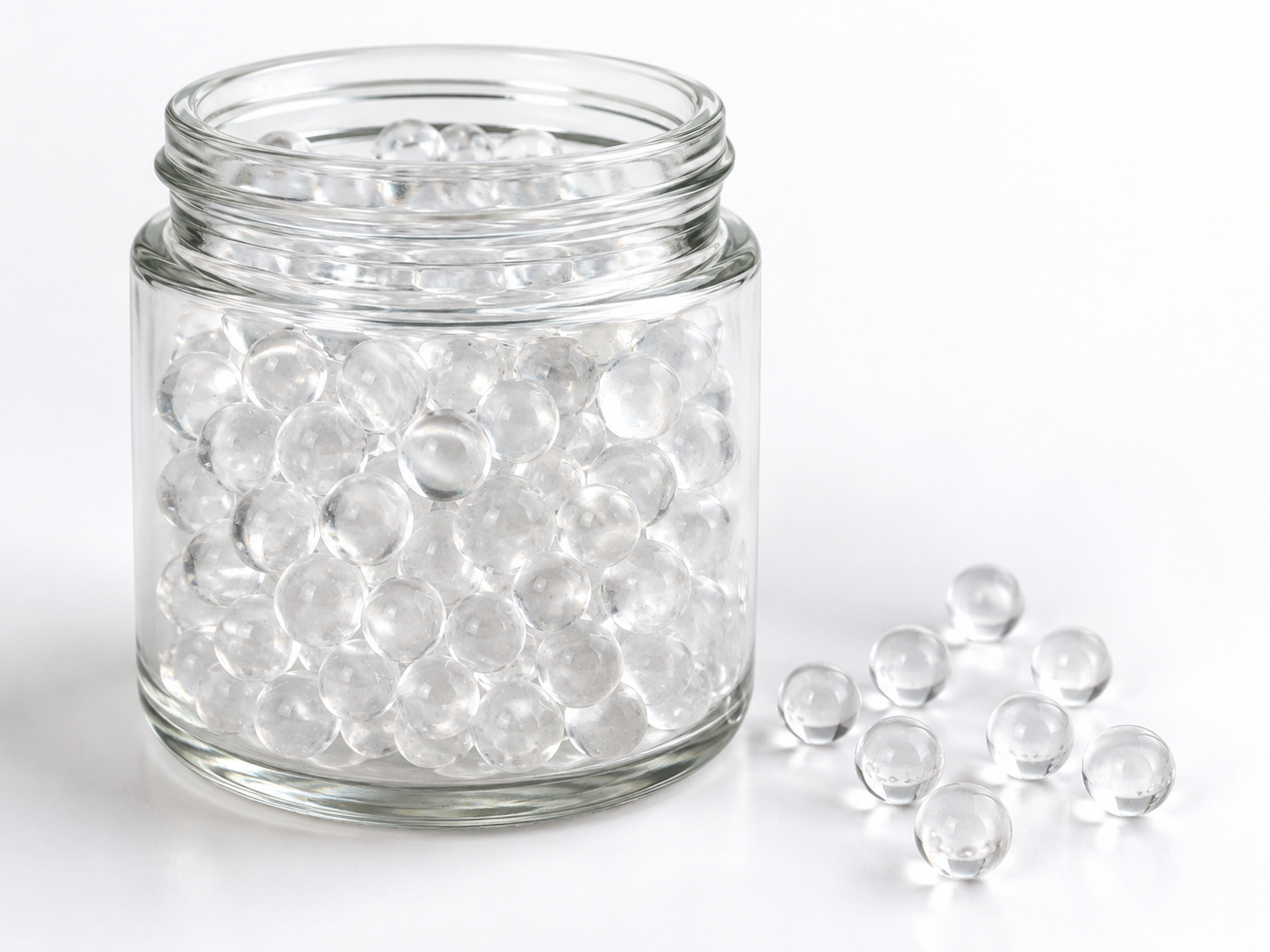
Why Mixing Customer-Specific Labels on Polyphosphate Orders Creates Real Risk
Consolidating polyphosphate orders across multiple customers is a sound procurement strategy—until packaging or labeling confusion causes the wrong product to reach the wrong end user. In practice, the single biggest mistake in bulk polyphosphate purchasing is treating all siliphos crystal or polyphosphate media shipments as interchangeable, regardless of the label, specification sheet, or downstream application attached to each customer’s requirement. The fix is not to avoid consolidation but to build label integrity into the ordering workflow from the start.
This article walks through why customer-specific labeling matters for polyphosphate products, what goes wrong when labels get mixed, and how to structure a consolidated order so that every bag, drum, or pallet arrives correctly identified without unnecessary handling costs.
What “Customer-Specific Labels” Actually Mean in Polyphosphate Supply
When a buyer refers to customer-specific labels on polyphosphate products, the label typically encodes one or more of the following:
- Application designation—for example, a formulation intended for residential scale inhibition versus one specified for commercial cooling-tower use.
- Concentration or blend ratio—different siliphos crystal products may vary in phosphate chain length or active-ingredient percentage, and the label must reflect what the customer’s system requires.
- Regulatory or market markings—some destinations require specific compliance symbols, language, or safety statements that differ from one customer’s market to another.
- Batch or lot traceability—particularly important when a customer needs to trace performance back to a specific production run.
None of these are cosmetic details. A polyphosphate product labeled for one application may perform differently—or fail to meet a regulatory threshold—in another. Mixing them does not merely create paperwork headaches; it can void warranties, breach supply agreements, or compromise water-treatment performance downstream.
The Hidden Costs of Label Mix-Ups in Consolidated Shipments
When a distributor or importer places a single large polyphosphate order that covers several customers, the warehouse or freight consolidation point becomes a failure zone if labeling discipline is loose. Common consequences include:
- Re-labeling at destination. If a pallet arrives with the wrong customer’s label, the receiving facility must strip and reapply labels before distribution—adding labor, risk of error, and potential regulatory exposure.
- Returns and credit disputes. A customer who receives a polyphosphate product with another customer’s specifications has legitimate grounds to reject the shipment, even if the chemical inside is technically correct.
- Cross-application contamination. In warehousing, physically similar bags with different labels stored side by side invite picking errors. Siliphos crystal products in particular can look nearly identical in bulk packaging while differing in formulation.
- Audit and compliance gaps. Many water-treatment end users and equipment OEMs require documented traceability. A mixed-label shipment breaks that chain and can disqualify a supplier from future tenders.
The financial impact is rarely just the cost of re-labeling. It compounds through delayed installations, lost trust, and the administrative burden of root-cause investigation every time a mislabeled bag surfaces.
How to Consolidate Polyphosphate Orders Without Mixing Labels
Effective consolidation means grouping purchase volume for efficiency while keeping every customer’s identity on every unit intact. The following steps form a practical framework.
1. Define Label Requirements Before You Combine the Order
Before approaching a supplier such as ENVO CHEMICAL with a consolidated polyphosphate inquiry, collect the exact label specifications for each customer. This includes language requirements, safety pictograms, batch-code formats, and any application-specific markings. Do not assume that a single “standard” label will satisfy all parties—assumptions are where mix-ups begin.
2. Separate by Physical Packaging Unit, Not Just by SKU
Even if two customers order the same siliphos crystal grade, their labels will differ. Treat each labeled variant as a distinct line item within the consolidated order. Request that the supplier pack and palletize each variant separately, with clear outer-carton or pallet-wrap identification that matches the inner-bag label. This prevents a forklift operator from grabbing the wrong pallet in a shared warehouse.
3. Use a Bill of Lading or Packing List That Maps Labels to Customers
The shipping document should list every label variant, the quantity per customer, and the corresponding batch or lot numbers. A simple table in the packing list eliminates ambiguity at customs, at the freight forwarder, and at the receiving dock. For buyers managing multiple destination markets, this document also supports import-compliance checks.
4. Confirm Label Durability for the Transit Environment
Polyphosphate products such as siliphos crystals are often shipped in multi-layer bags or drums exposed to humidity and handling. A label that smudges or peels during transit becomes unreadable, which is functionally the same as mixing labels. Specify label material and adhesive performance when you place the order, and confirm with the supplier that the chosen label stock has been tested under the expected storage and shipping conditions.
5. Audit a Sample Shipment Before Scaling Up
If you are consolidating for the first time, run a pilot order covering two or three customers. Inspect every unit on arrival for label accuracy, legibility, and correct segregation. This low-volume test reveals packing-line habits at the supplier that a large order would only expose after the fact.
What to Clarify About the Product Itself, Not Just the Label
Label integrity only matters if the polyphosphate inside meets each customer’s technical need. When you consolidate, you are often buying one product grade that serves multiple applications—but that is not always appropriate. Siliphos crystal products designed for residential drinking-water systems, for instance, may carry different compliance documentation than those intended for industrial cooling circuits. Do not let a consolidated order pressure you into specifying a single grade for incompatible uses.
Before finalizing a multi-customer order, verify for each destination:
- The required phosphate concentration and whether the product’s chain-length distribution matches the application.
- Whether drinking-water suitability has been independently verified for the exact product and market—not assumed from a generic “food grade” description.
- The expected operating temperature, pH range, and flow rate, because polyphosphate performance is sensitive to these conditions.
- Any certification or test-report requirements that differ by customer or jurisdiction.
If any of these points are unclear for a given customer, treat that as an open item to resolve with the supplier before the order is confirmed. A consolidated shipment of the right chemical with the wrong documentation is still a failed shipment.
Quick-Reference Checklist for Consolidated Polyphosphate Orders
| Step | What to Do | Why It Matters |
|---|---|---|
| Gather label specs | Collect exact label content for every customer before ordering. | Prevents last-minute rework or non-compliance. |
| Separate packaging | Request physically segregated packing per label variant. | Eliminates picking errors in shared storage. |
| Map in shipping docs | Include a label-to-customer matrix in the packing list. | Provides traceability through customs and delivery. |
| Test label durability | Confirm label stock suits the expected transit environment. | Ensures labels remain readable on arrival. |
| Verify product fit | Check that one grade genuinely serves all intended applications. | Avoids shipping a technically unsuitable product under a correct label. |
| Pilot first | Run a small multi-customer order and inspect every unit. | Catches process gaps before they scale. |
Frequently Asked Questions About Label Management in Polyphosphate Consolidation
Can I use the same siliphos crystal product for both drinking-water and industrial customers in one order?
Only if the product has been independently verified for drinking-water use in the specific destination market and the industrial customer’s requirements do not demand a different formulation. The label and documentation will differ even if the chemical is the same, so you must still segregate and label correctly.
What if my supplier says they can print multiple labels on the same production run?
That is feasible and often the most efficient approach, provided the supplier has a changeover process that prevents cross-contamination of label stock and verifies each variant before packing. Ask for their changeover protocol and request a sample of each labeled unit.
Does consolidating orders affect the shelf life or stability of polyphosphate media?
Consolidation itself does not change product stability, but longer storage in a shared warehouse can. Confirm the supplier’s recommended storage conditions and shelf life for the specific siliphos crystal grade you are ordering, and factor that into your inventory planning.
How do I handle customers who need different batch numbers on the same product grade?
Treat each batch-number requirement as a separate sub-line within the order. The supplier must assign distinct lot codes and reflect them on the corresponding labels. A single blended batch with one lot code cannot satisfy multiple traceability demands simultaneously.
Is it acceptable to re-label at my own facility after receiving a consolidated shipment?
It can be, but only if you have a controlled re-labeling process that maintains traceability to the original batch and complies with all applicable regulations. Many buyers find it safer and more cost-effective to have the supplier apply customer-specific labels at the point of packing.
Take the Next Step with a Focused Inquiry
If you are planning a consolidated polyphosphate or siliphos crystal order that serves multiple customers, the most efficient path is to share the specifics up front. Let ENVO CHEMICAL know the number of customer variants, the label or documentation requirements for each, the product grade or application for each variant, the total combined quantity, and your destination markets. With that information, we can confirm what is feasible in a single production and packing run—and where separate runs may be the safer choice.
