
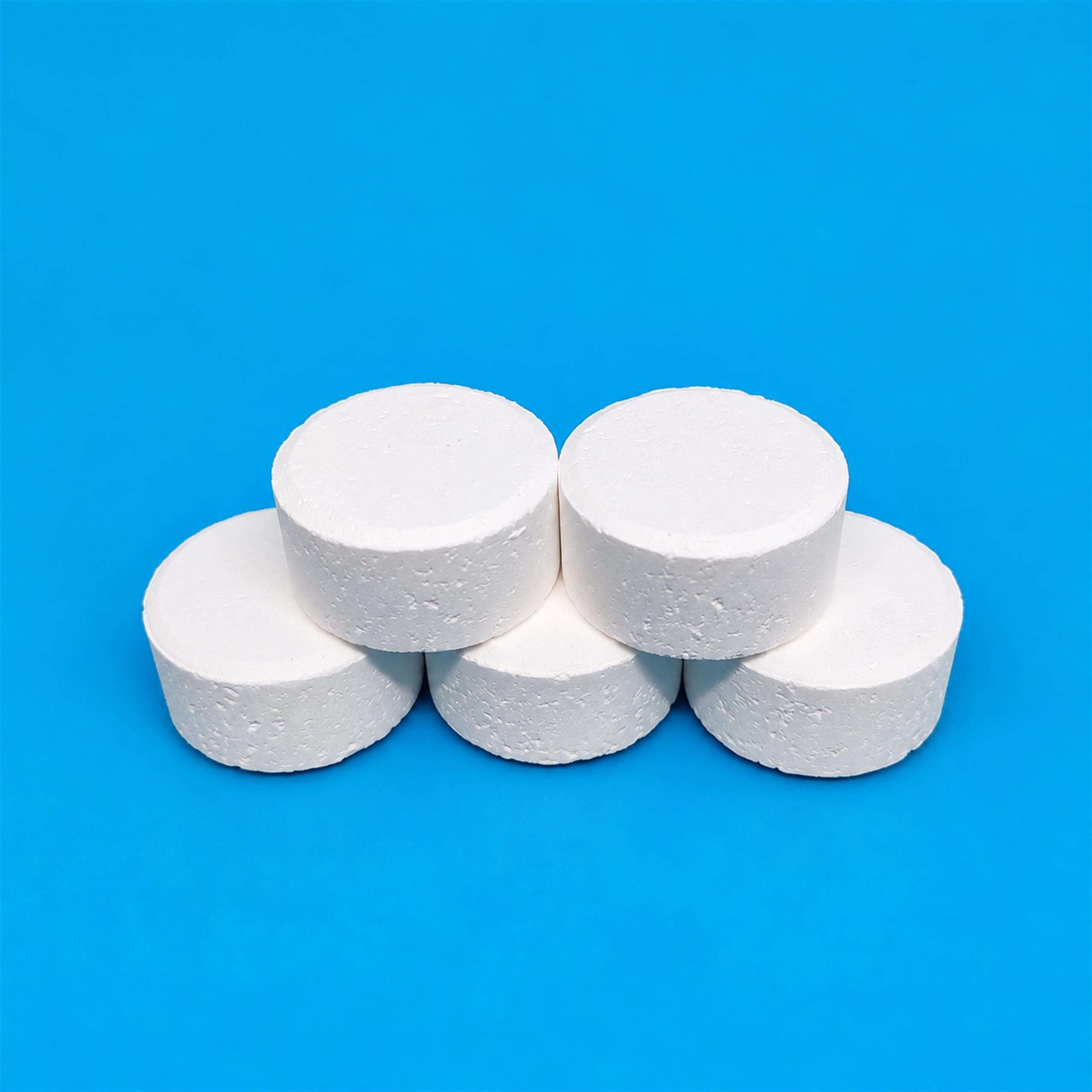
Are NaDCC Disinfectants Suitable for Electronics? The Short Answer
In most cases, NaDCC (sodium dichloroisocyanurate) disinfectants are not suitable for direct application on electronic devices unless the device manufacturer explicitly permits chlorine-based disinfectant solutions on that specific product. The decisive step is always to check the device instructions or the manufacturer’s approved cleaning and disinfection guidance before introducing any NaDCC solution near circuitry, displays, ports, or sealed housings.
NaDCC is an oxidising disinfectant that releases available chlorine when dissolved in water. While this property makes it effective against bacteria, viruses, and fungi on hard, non-sensitive surfaces, the same oxidising action can damage printed circuit boards, corrode metal contacts, degrade rubber seals, and leave conductive residues on electronic components. Whether a NaDCC product is appropriate therefore depends entirely on what the device documentation says—not on general disinfectant performance claims.
Why Device Instructions Matter More Than General Disinfectant Labels
Electronic device manufacturers issue specific cleaning and disinfection instructions for each product or product family. These instructions exist because different materials—aluminium housings, polycarbonate screens, silicone gaskets, copper traces—react differently to chemical exposure. A label on a NaDCC disinfectant bottle may state suitability for “hard surfaces” or “medical equipment,” but that does not override a device maker’s restriction against chlorine-based cleaners.
When you consult the device instructions, look for three key pieces of information:
- Approved chemical agents: Some manufacturers list isopropyl alcohol (typically 70%), quaternary ammonium compounds, or specific hydrogen-peroxide-based wipes. If chlorine-releasing agents such as NaDCC are absent from the approved list, they should not be used.
- Concentration and contact time limits: Even where a manufacturer tolerates a disinfectant, they may specify a maximum concentration and a short contact time followed by thorough drying. Exceeding these limits with a NaDCC solution increases the risk of corrosion or residue buildup.
- Areas to avoid: Instructions often single out ports, speaker grilles, buttons, and seam lines where liquid can enter and cause internal damage. NaDCC solutions, like any aqueous disinfectant, pose an ingress risk in these zones.
What Makes NaDCC Chemically Risky for Electronics
NaDCC is the dihydrate or anhydrous sodium salt of dichloroisocyanuric acid. When dissolved, it hydrolyses to form hypochlorous acid (HOCl), the active disinfecting species. HOCl is a strong oxidiser. On stainless steel, glass, or ceramic surfaces this is usually manageable, but on electronics the consequences differ:
- Metal corrosion: Hypochlorous acid can attack copper, tin, silver, and their alloys commonly used in solder joints, connectors, and traces. Corrosion may not be immediately visible but can cause intermittent failures over time.
- Residue formation: As NaDCC solutions dry, they can leave sodium chloride and cyanuric acid residues. These residues are mildly conductive and hygroscopic, meaning they attract moisture and can promote short circuits or electrochemical migration under bias.
- Material degradation: Repeated exposure to oxidising chlorine solutions can embrittle certain plastics and rubbers used in cable insulation, gaskets, and button membranes.
None of these risks are hypothetical—they are well-documented failure modes in electronics exposed to inappropriate cleaning agents. This is why the instruction to “check device instructions” is not a formality; it is the primary safeguard against irreversible damage.
When NaDCC Might Be Considered—and What Conditions Apply
There are narrow scenarios where a NaDCC disinfectant could be used on or near electronics, but only under strict conditions defined by the device maker or a qualified engineer:
- External housings only: If the device has a sealed, non-porous outer shell (such as certain medical-grade monitoring equipment or industrial sensors) and the instructions allow chlorine-based surface disinfection, a dilute NaDCC solution may be applied to the exterior. The solution must never enter seams, ports, or vents.
- Pre-cleaning of non-electronic accessories: Keyboard covers, plastic trays, or docking stations that contain no circuitry may tolerate NaDCC disinfection. Verify the accessory documentation separately from the electronic device itself.
- Controlled wipe-down with immediate drying: Even where permitted, the protocol typically involves applying the solution with a lint-free cloth rather than spraying or immersing, limiting contact time to the manufacturer’s stated maximum, and drying thoroughly with a clean dry cloth to remove all residue.
In all three cases, the suitability of NaDCC is determined by the device or accessory instructions—not by the disinfectant’s efficacy data alone. Efficacy against pathogens is irrelevant if the chemical damages the equipment.
How to Verify Suitability Before Using NaDCC on Any Electronic Item
Follow a simple checklist before introducing a NaDCC disinfectant solution to any electronic item:
- Locate the official user manual, service guide, or manufacturer’s online support page for the specific device model.
- Search for sections titled “Cleaning,” “Disinfection,” “Maintenance,” or “Materials Compatibility.”
- Confirm whether sodium dichloroisocyanurate or chlorine-releasing agents are listed as approved. If they are not listed, do not use NaDCC.
- If they are listed, note the specified concentration (often expressed in parts per million of available chlorine), maximum contact time, and drying requirements.
- Prepare the NaDCC solution precisely according to those parameters. Over-concentration is a common cause of damage even when the chemical is nominally approved.
- Test on a small, inconspicuous area first if you are uncertain, and inspect for discolouration, texture change, or unusual smell before proceeding.
Safer Alternatives When Device Instructions Rule Out NaDCC
If the device documentation excludes NaDCC or chlorine-based disinfectants, common approved alternatives include 70% isopropyl alcohol wipes, specific quaternary ammonium formulations, or low-concentration hydrogen peroxide solutions—each subject to the same requirement: confirm against the device instructions. Do not substitute one disinfectant for another without that verification step.
It is also important to remember that disinfection and cleaning are different functions. Visible dirt or grime should be removed first with a dry or damp (non-disinfectant) cloth. Applying NaDCC or any disinfectant over heavy soil reduces its efficacy and can trap contaminants against the surface.
A Note on Safety When Handling NaDCC Near Electronics
Even when use is approved, NaDCC powder and concentrated solutions are irritants. Avoid inhaling dust, prevent skin and eye contact, and work in a ventilated area. Never mix NaDCC with acids, ammonia, or other cleaning agents—this can generate toxic chlorine gas. These precautions protect the operator and prevent accidental chemical reactions that could further endanger nearby electronics.
Get Clarity on NaDCC Use for Your Specific Device
If you are unsure whether a particular NaDCC disinfectant formulation is compatible with an electronic device you maintain, the first and only reliable step is to review that device’s official instructions. If you need help interpreting material compatibility guidance or want to confirm whether a specific ENVO CHEMICAL NaDCC product falls within an approved cleaning protocol, contact our technical team with the device model and its stated cleaning requirements.
