
Why NaDCC Works as a Portable Sanitizer in Catering
Sodium dichloroisocyanurate (NaDCC) in tablet or granular form is one of the most practical active-chlorine sources for portable sanitizing in catering operations because it delivers a stable, high-available-chlorine payload in a compact, dry format that tolerates transport and short-term field storage. Unlike liquid bleach, NaDCC does not spill, does not degrade rapidly in its dry state, and can be dosed on site from a small pre-measured container. For caterers who move between venues, run pop-up kitchens, or serve events without fixed plumbing for sanitizer delivery, organizing NaDCC-based supplies means packing the right form, the right dosing tools, and the right documentation so that food-contact surfaces, utensils, and hand-wash stations can be sanitized to the required available-chlorine concentration every time.
The essential condition: NaDCC must be handled as a dry oxidizer, kept away from acids and organic contaminants, and dissolved in clean water at the concentration required for the specific sanitizing task. If the catering operation uses NaDCC for anything other than surface or utensil sanitizing—for example, for drinking-water treatment—different regulatory requirements apply, and the portable kit must be reconfigured accordingly.
Selecting the NaDCC Form for a Portable Catering Kit
The first organizing decision is the physical form of NaDCC you carry. Two options dominate catering-portable use:
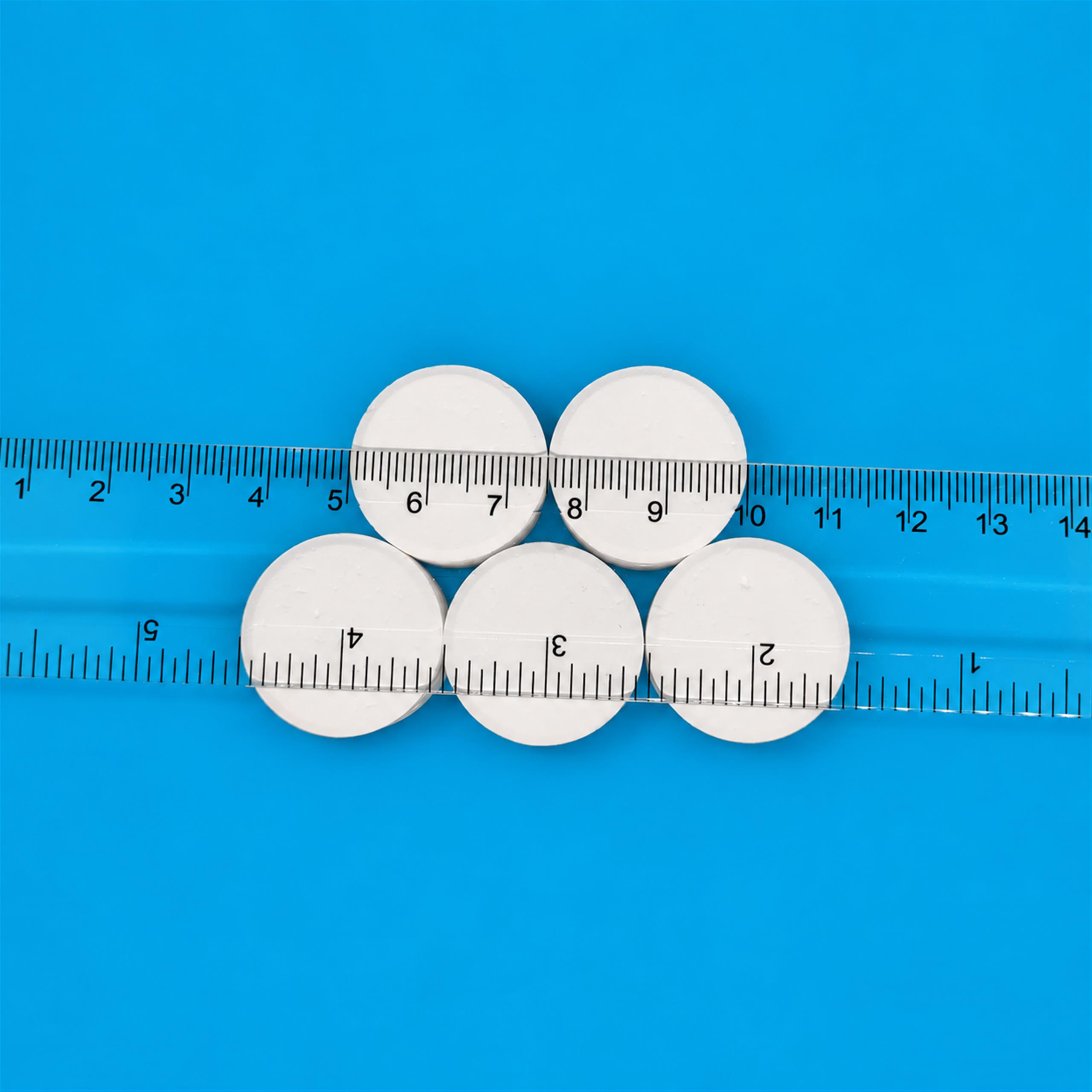
- Effervescent or soluble tablets (typically 1 g to 3 g each, often 56 % or 60 % available chlorine by mass for the dihydrate form). Tablets are the simplest to portion: one tablet per liter of sanitizing solution gives a known starting concentration, provided the tablet mass and declared available-chlorine content are verified.
- Granular or powder NaDCC (anhydrous or dihydrate). Granules allow flexible dosing for larger batches but require a scoop or small scale in the field. They also dissolve slightly faster than compressed tablets in cool water.
For most mobile catering operations, pre-portioned tablets reduce dosing errors and simplify inventory checks. If you choose granules, pre-weigh individual servings into labeled pouches before each event to avoid measuring in the field under time pressure.
Building the Portable Sanitizing Station
A catering-portable NaDCC kit is not just the chemical. Organizing it means assembling a small, self-contained station that a single operator can set up at any venue with access to potable water. The core components are:
Chemical and Dosing Hardware
- NaDCC tablets or pre-weighed granule packets in a sealed, moisture-proof container (polyethylene or lined metal).
- One or two food-grade mixing buckets or jugs with clear volume markings (5 L and 10 L sizes cover most tasks).
- A chlorine test-strip set calibrated for the 0–200 mg/L available-chlorine range, or a pocket-style DPD colorimeter if the operation requires documented readings.
- A dedicated scoop or small digital scale (if using granules).
- Waterproof labels on each mixing vessel indicating “NaDCC sanitizing solution – do not drink” and the target concentration.
Application Tools
- Clean cloths, sponges, or low-pressure spray bottles for applying solution to food-contact surfaces.
- A separate bucket or basin for a clean-water rinse step if the local food-safety protocol requires it.
- Disposable nitrile gloves and eye protection for the person preparing the solution.
Documentation
Carry a laminated card or a printed sheet that lists: the NaDCC product name and batch/lot if available, the declared available-chlorine percentage, the target sanitizing concentration for the task, the contact time, the expiry or use-by date of the opened container, and the emergency procedure if the chemical contacts skin or eyes. In catering environments subject to inspection, this card demonstrates that the sanitizing supply is organized and traceable.
Dosing Logic for Catering Sanitizing Tasks
NaDCC delivers available chlorine, not “total chlorine.” The concentration you prepare must match the task. A common food-contact surface sanitizing target in many jurisdictions is 50–100 mg/L available chlorine with a contact time of at least one minute (confirm the local requirement; do not assume a single universal figure). With 60 % available-chlorine tablets, one 3.3 g tablet in 10 L of water yields roughly 200 mg/L; one tablet in 20 L yields roughly 100 mg/L. Always verify by testing the prepared solution with a strip or meter before use.
A simple reference table helps field staff avoid mental math:
| Tablet mass (g) | Available Cl₂ (% w/w) | Water volume (L) | Approximate available-Cl₂ (mg/L) |
|---|---|---|---|
| 1.5 | 60 | 10 | 90 |
| 3.3 | 60 | 20 | 100 |
| 3.3 | 60 | 10 | 200 |
| 5.0 | 56 | 10 | 280 |
These figures illustrate the principle; the actual numbers depend on the exact product specification you use. Re-test the solution every few hours or whenever a new batch is made, because NaDCC solutions lose available chlorine over time, especially in warm or sunny conditions.
Transport and Field Storage Rules
Organizing portable supplies also means deciding how they travel and how long they sit on site.
- Separate from food and acids. NaDCC is an oxidizer. It must not share a compartment with vinegar, citric acid cleaners, or any food item. A dedicated plastic bin with a locking lid is the minimum.
- Keep dry. Moisture starts dissolving tablets prematurely and can generate chlorine gas in a sealed container. Use desiccant packets inside the chemical container if you operate in humid climates.
- Protect from heat. Prolonged exposure above 40 °C accelerates decomposition. Do not leave the kit in a parked vehicle in direct sun.
- Rotate stock. Mark each container with the date it was opened. Once opened, use the contents within the period the manufacturer specifies; if no period is stated, treat opened NaDCC as having a shorter usable life than unopened product and replace it on a conservative schedule.
Safety Checks That Matter in a Catering Setting
In a catering operation the audience is food-service staff, not chemical-plant workers, so safety instructions must be brief and specific:
- Never mix NaDCC with acid-based cleaners or with ammonia-containing products; toxic chlorine gas can form.
- If NaDCC powder or solution contacts eyes, rinse immediately with clean water for at least 15 minutes and seek medical attention.
- Wear gloves when handling dry tablets or concentrated solution; NaDCC is a skin and eye irritant at the concentrations used for sanitizing.
- Label every solution container clearly so no one mistakes it for drinking water or cooking water.
Maintaining the Kit Between Events
After each event, empty and rinse mixing vessels, allow them to dry, and inspect the NaDCC container for caking, discoloration, or moisture damage. Replenish test strips and gloves. Record how much chemical was used so you can reorder before the next job runs short. A kit that is reorganized after every use stays reliable; a kit that is only restocked when it fails mid-event is a food-safety risk.
Get the Right NaDCC Portable Kit for Your Catering Operation
If you need to confirm the available-chlorine content, tablet size, or packaging format that best fits your mobile catering workflow, contact ENVO CHEMICAL with your typical venue size, water-access situation, and the food-contact sanitizing concentration your operation targets. We can help you specify a portable NaDCC kit that matches those parameters.
