
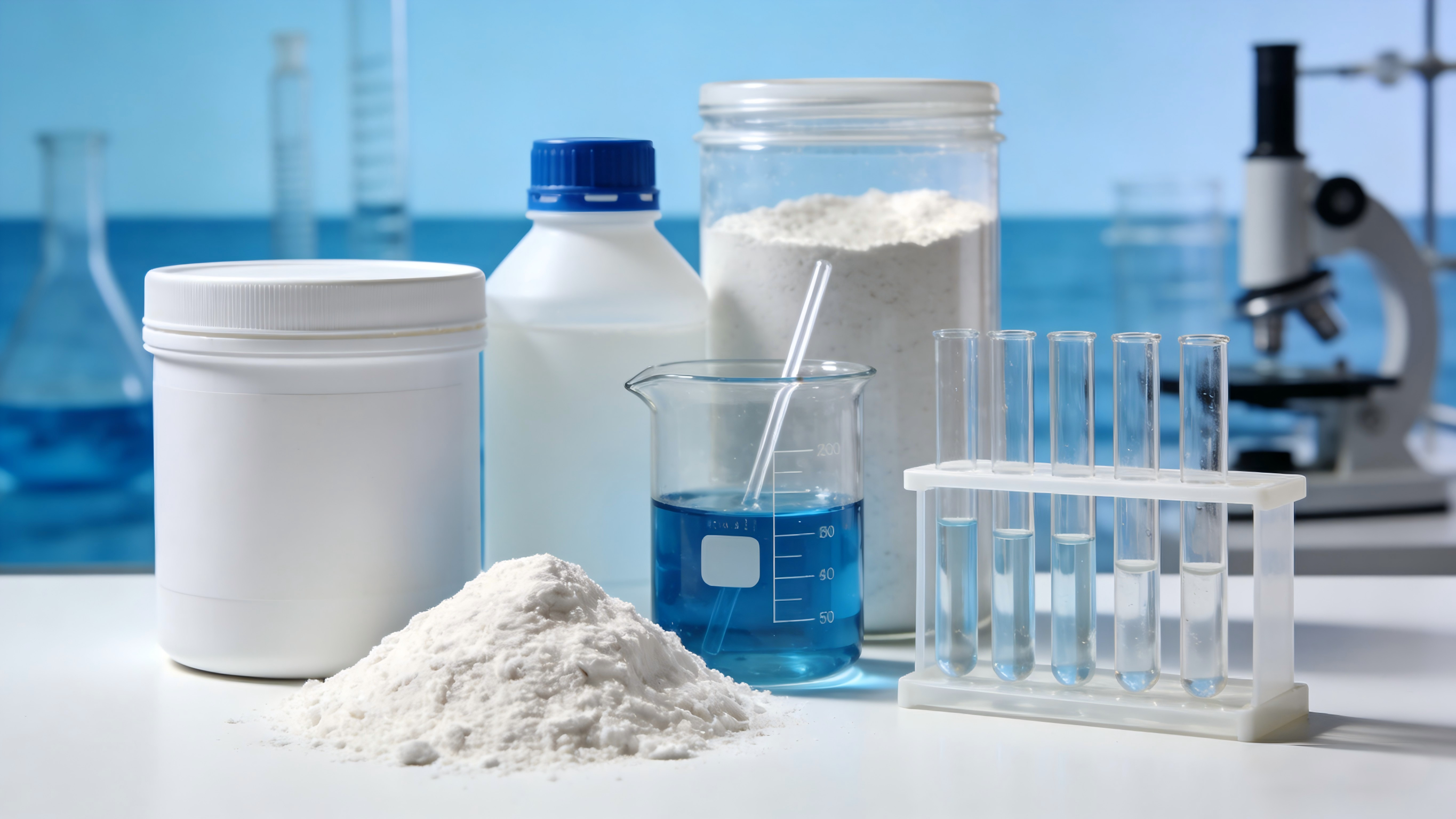
SDIC vs Calcium Hypochlorite: Best Choice for Emergency Water Treatment – A Guide to Compliance and Safety
By: Dr. Julian V. Mercer, Senior Humanitarian Water & Sanitation Specialist
Let’s be brutally honest for a second. When the dust settles after an earthquake or the floodwaters finally recede, the immediate instinct is to grab the nearest container of chlorine and start dumping it into whatever water source is available. We’ve all been there. I remember standing in a makeshift refugee camp in Southeast Asia just 48 hours after a devastating monsoon. The air was thick with the smell of wet mud and something far worse—stagnant decay. A field coordinator, let’s call him Mateo, was frantically pouring generic liquid chlorine into a distribution tank. “It’s not working,” he shouted over the roar of generators, his face pale. “The water smells like a swimming pool, but the bacterial counts are still through the roof. And this heat? The bleach we brought in last week is already half-strength. We’re guessing, and people are getting sick.”
Mateo’s panic highlights a critical decision point in emergency water treatment: choosing between Sodium Dichloroisocyanurate (SDIC) and Calcium Hypochlorite (Cal-Hypo). Both are solid, stable oxidants superior to liquid bleach in crisis zones. But here’s the catch: they aren’t interchangeable. Choosing the wrong one for your specific regulatory environment or storage conditions can lead to compliance violations, safety hazards, or worse—ineffective disinfection that costs lives.
This isn’t just a chemistry debate; it’s a blueprint for survival, stewardship, and strict adherence to the rule of law. Let’s dig into the regulatory maze and safety protocols that define the best choice for emergency water treatment.
The Regulatory Maze: Rules That Don’t Sleep
First, let’s dispel a dangerous myth: “In an emergency, regulations don’t apply.” Wrong. In fact, scrutiny is often higher during crises because vulnerable populations are at risk. Whether you are deploying SDIC or Cal-Hypo, you are bound by a rigid framework of international and local laws:
- WHO Guidelines for Drinking-water Quality: This is the global bible. It sets limits for residual chlorine, disinfection byproducts, and specific chemical contaminants. For instance, while both chemicals are approved, the WHO strictly monitors cyanuric acid (a byproduct of SDIC) in long-term use, though it’s rarely an issue in short-term emergency flow-through systems.
- NSF/ANSI 60 (USA) & EN 12074 (Europe): These are non-negotiable for any product sourced from Western supply chains. Your disinfectant must be certified for use in drinking water. Using an industrial-grade product not rated for potable water can introduce heavy metals or toxic impurities, leading to immediate shutdowns and massive liability.
- UN Transport Regulations (ADR/RID/IMDG): Both SDIC and Cal-Hypo are Class 5.1 Oxidizers. However, their packing groups and specific transport requirements differ slightly based on concentration and formulation. Misclassifying them can delay your shipment at customs when every hour counts.
- Local Fire Codes & EPA Guidelines: Storage quantities often trigger specific fire suppression and spill containment requirements. I’ve seen facilities fined six figures because their Cal-Hypo drums were stored next to organic materials. That’s a fire waiting to happen.
Compliance isn’t bureaucracy; it’s your shield against disaster and liability.
Safety First: Storage and Handling Best Practices
So, how do we wield these powerful tools safely? It starts with rigorous protocols that become muscle memory for your team.
1. Segregation is Life This is the golden rule for both chemicals, but especially for Calcium Hypochlorite, which is more reactive with organics than SDIC.
- Never store either chemical near: Acids, Ammonia, Organic materials (oils, greases, wood, paper), or Reducing agents.
- The Risk: An accidental mix can cause a violent fire or release toxic chlorine gas instantly. Your storage area must be a dedicated, cool, dry, and well-ventilated room with non-combustible shelving. Keep them off the ground on pallets to prevent moisture absorption.
2. The Moisture Trap
- SDIC: Reacts with moisture to release heat and chlorine gas. While generally more stable than Cal-Hypo in humid conditions, it still demands dry storage (<60% humidity).
- Cal-Hypo: Highly hygroscopic. If it gets wet, it can self-heat and ignite nearby combustibles. I once inspected a facility where a leaking roof dripped onto a drum of Cal-Hypo; the resulting heat buildup warped the plastic and released a pungent cloud that evacuated the building. That’s a nightmare scenario you can easily avoid.
3. PPE is Non-Negotiable Operators must wear appropriate Personal Protective Equipment (PPE): N95 or P100 respirators (to avoid inhaling dust), chemical splash goggles (face shields are better), and impervious gloves (nitrile or neoprene). I recall a volunteer who refused to wear goggles while sampling a feeder line; a small amount of dust caused severe corneal irritation. That’s a preventable tragedy.
Emergency Response: When Things Go Wrong
Despite best efforts, accidents happen. Spills, fires, or exposures require immediate, practiced action.
- Fire: NEVER use carbon dioxide, foam, or halon extinguishers on a fire involving SDIC or Cal-Hypo; they can react violently. Use massive amounts of water to cool the material and extinguish surrounding fires. Be aware that runoff will be highly chlorinated—contain it if possible.
- Spills: Isolate the area. Do not sweep dry powder as it creates dust clouds. Carefully scoop up the material into a dry, clean container. Neutralize small residues with a reducing agent (like sodium thiosulfate) if trained, or flush with plenty of water, ensuring runoff goes to a sanitary sewer (with permission), never a storm drain.
- Exposure:
- Inhalation: Move to fresh air immediately.
- Skin/Eyes: Flush with lukewarm water for at least 15 minutes. Seek medical attention immediately.
- Ingestion: Do NOT induce vomiting. Rinse mouth and drink water if conscious. Get medical help.
The ENVO CHEMICAL Commitment to Safety and Compliance
Navigating this complex landscape alone is daunting. You need a partner whose products are engineered not just for efficacy, but for absolute safety and global compliance. This is where ENVO CHEMICAL stands as a beacon of reliability.
As a leading innovative manufacturer and exporter serving over 200 countries, ENVO CHEMICAL understands that in emergency water treatment, there is no room for error. Their SDIC and Calcium Hypochlorite product lines are manufactured under stringent ISO certifications, ensuring:
- Global Regulatory Compliance: Every batch is fully certified to NSF/ANSI 60, WHO, and EN 12074 standards. You get a product guaranteed safe for drinking water, eliminating the risk of regulatory shutdowns due to impurities like heavy metals.
- Comprehensive Documentation: ENVO provides detailed, up-to-date Safety Data Sheets (SDS/MSDS) in multiple languages. These aren’t generic templates; they are specific to the batch and include precise first aid measures, firefighting instructions, and disposal protocols. No guesswork, no translation errors.
- Purity for Safety: By minimizing impurities and controlling particle size, ENVO’s products ensure predictable behavior, reducing the risk of unexpected gas releases or inefficient dosing. Their high-purity formulations (>90% for TCCA/Cal-Hypo equivalents, >60% for SDIC) dissolve completely, preventing clogs that can lead to dangerous pressure buildups.
- Technical Support: Their dedicated team offers 24/7 remote support to guide your staff through storage audits, emergency response drills, and optimized dosing strategies, ensuring that safety is embedded in your daily operations.
The Bottom Line
Choosing between SDIC and Calcium Hypochlorite is a strategic decision, but implementing best practices for safety and compliance is a moral imperative. It requires a culture of safety, strict adherence to regulations, and a commitment to continuous training.
Don’t gamble with your community’s safety or your team’s well-being. Partner with a supplier who treats compliance as seriously as you do. With ENVO CHEMICAL, you get more than just a chemical; you get a comprehensive safety ecosystem designed to protect your people, your planet, and your reputation.
Ready to secure your facility and elevate your safety standards? Contact ENVO CHEMICAL today to request our full compliance kit, download our latest SDS documentation, or speak with our technical experts about implementing a safe, effective emergency water treatment program. Let’s keep the water clean and the operations safe.
Author: Dr. Julian V. Mercer
Senior Humanitarian Water & Sanitation Specialist | 25+ Years in Global Disaster Response & Water Quality Strategy
