
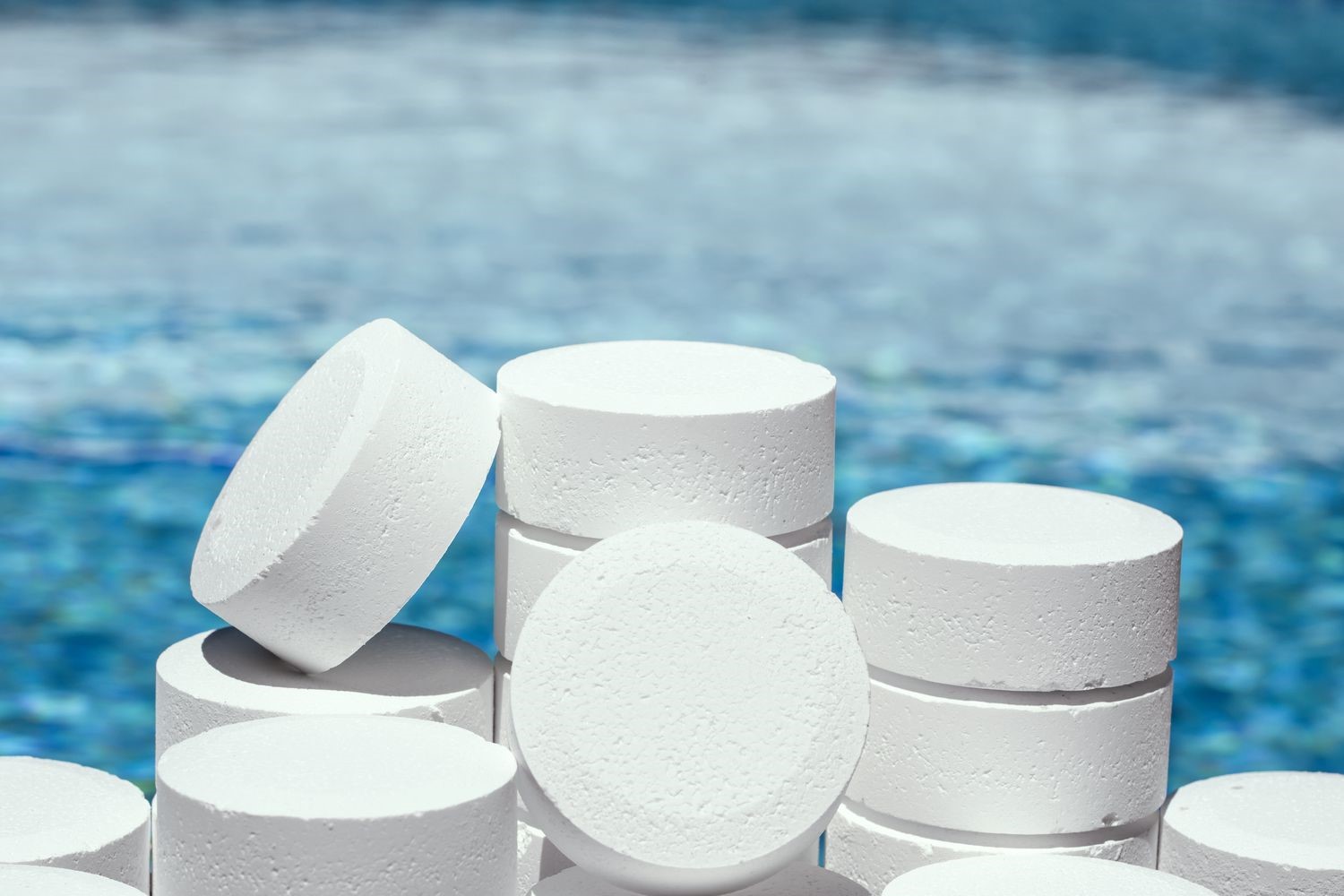
Affordable SDIC Solutions for Healthcare Professionals
Introduction
In today’s healthcare landscape, maintaining stringent infection control protocols is not optional—it is essential. Healthcare facilities worldwide face increasing pressure to deliver effective disinfection solutions while managing operational costs. Sodium Dichloroisocyanurate (SDIC) has emerged as a cornerstone chemical in medical disinfection, offering broad-spectrum antimicrobial activity with remarkable cost efficiency. This article explores how healthcare professionals can leverage affordable SDIC solutions to enhance patient safety without compromising budgetary constraints.
Understanding SDIC: The Science Behind Effective Disinfection
What is Sodium Dichloroisocyanurate?
Sodium Dichloroisocyanurate, commonly abbreviated as SDIC or NaDCC, is a stable chlorine-releasing compound with the chemical formula C₃Cl₂N₃NaO₃ (CAS Number: 2893-78-9). This white crystalline powder or granular substance dissolves readily in water, releasing hypochlorous acid—the active disinfecting agent. With available chlorine content ranging from 56% to 60%, SDIC delivers powerful oxidative action against pathogens.
Mechanism of Action
SDIC works through oxidative disruption of microbial cell walls and enzymatic systems. Upon dissolution, it generates hypochlorous acid (HOCl), which penetrates bacterial membranes, denatures proteins, and interferes with metabolic processes. This mechanism ensures rapid kill rates against bacteria, viruses, fungi, and spores at concentrations as low as 20 ppm, achieving up to 99% sterilization efficiency.
Why Healthcare Facilities Choose SDIC
Broad-Spectrum Efficacy
Healthcare environments harbor diverse pathogens including MRSA, E. coli, hepatitis viruses, and antibiotic-resistant strains. SDIC demonstrates proven efficacy against this wide array of microorganisms, making it ideal for:
- Surgical instrument sterilization
- Surface disinfection in patient rooms
- Water treatment in dialysis units
- Laundry sanitization in hospital facilities
- Emergency outbreak containment
Cost-Effectiveness Compared to Alternatives
When evaluating disinfection budgets, healthcare administrators must consider total cost of ownership. SDIC offers significant advantages:
| Factor | SDIC | Alternative Disinfectants |
|---|---|---|
| Active Chlorine Content | 56-60% | Varies (often lower) |
| Shelf Life | 2-3 years (dry) | 6-12 months |
| Dilution Ratio | 1:100 to 1:500 | 1:10 to 1:50 |
| Cost per Use | Significantly lower | Higher |
The concentrated nature of SDIC means smaller quantities achieve equivalent disinfection results, reducing procurement frequency and storage requirements.
Stability and Safety Profile
Unlike liquid bleach solutions that degrade rapidly, SDIC maintains stability under proper storage conditions. Its solid form minimizes transportation hazards and extends usable life. When handled according to guidelines, SDIC presents minimal risk to healthcare workers while delivering consistent performance.
Implementing Affordable SDIC Solutions in Healthcare Settings
Procurement Strategies for Budget Optimization
Healthcare facilities can maximize value through strategic sourcing:
- Bulk Purchasing: Ordering SDIC in 25kg or larger quantities reduces per-unit costs substantially
- Supplier Partnerships: Establishing long-term relationships with certified chemical manufacturers ensures consistent quality and preferential pricing
- Quality Verification: Request certificates of analysis (COA) confirming available chlorine content and purity specifications
- Regional Sourcing: Working with manufacturers who offer competitive shipping rates to your location minimizes logistics expenses
Proper Dilution and Application Protocols
Maximizing SDIC efficiency requires correct preparation:
- Surface Disinfection: 500-1000 ppm solution (approximately 1g SDIC per liter of water)
- Instrument Soaking: 1000-2000 ppm for 10-30 minutes depending on contamination level
- Water Treatment: 2-5 ppm for ongoing microbial control
- Outbreak Response: 2000-5000 ppm for enhanced sterilization
Always prepare fresh solutions daily and store in opaque containers to prevent chlorine degradation from light exposure.
Storage and Handling Best Practices
Maintaining SDIC efficacy requires attention to storage conditions:
- Keep in original sealed containers away from moisture
- Store in cool, dry areas below 25°C (77°F)
- Separate from organic materials and reducing agents
- Implement first-in-first-out (FIFO) inventory rotation
- Train staff on proper personal protective equipment (PPE) usage
Regulatory Compliance and Quality Standards
Meeting Healthcare Disinfection Requirements
SDIC products intended for healthcare use must comply with relevant regulations:
- EPA Registration (United States)
- EN Standards (European Union)
- ISO 9001 Certification for manufacturing facilities
- GMP Compliance for pharmaceutical-grade applications
Verify supplier credentials and request documentation demonstrating regulatory adherence before procurement.
Documentation and Traceability
Maintain comprehensive records including:
- Batch numbers and manufacturing dates
- Certificate of Analysis for each shipment
- Safety Data Sheets (SDS)
- Usage logs and dilution records
- Staff training certifications
This documentation supports audit readiness and quality assurance protocols.
Environmental Considerations
Sustainable Disinfection Practices
Modern healthcare facilities increasingly prioritize environmental responsibility. SDIC offers several eco-friendly advantages:
- Breaks down into harmless salts after use
- Minimal volatile organic compound (VOC) emissions
- Reduced packaging waste compared to liquid alternatives
- Lower carbon footprint from concentrated shipping
Implement proper waste disposal procedures to minimize environmental impact while maintaining infection control standards.
Conclusion
Affordable SDIC solutions represent a strategic investment for healthcare professionals seeking to balance infection control excellence with fiscal responsibility. By understanding SDIC’s properties, implementing proper protocols, and partnering with reliable suppliers, healthcare facilities can achieve superior disinfection outcomes while optimizing operational budgets. The key lies in viewing disinfection not as an expense, but as a critical component of patient safety infrastructure.
Healthcare administrators are encouraged to evaluate their current disinfection programs and consider whether SDIC integration could enhance both efficacy and cost efficiency. Request samples, compare specifications, and calculate total cost of ownership before making procurement decisions.
Frequently Asked Questions (FAQ)
Q1: What is the shelf life of SDIC under proper storage conditions?
A: When stored in sealed containers away from moisture and heat, SDIC maintains effectiveness for 2-3 years. Always check manufacturer specifications and batch dates upon receipt.
Q2: Can SDIC be used on all healthcare surfaces?
A: SDIC is compatible with most hard, non-porous surfaces. However, test on sensitive materials first, as prolonged exposure may cause corrosion on certain metals or discoloration on fabrics.
Q3: How does SDIC compare to sodium hypochlorite (bleach)?
A: SDIC offers higher available chlorine content, longer shelf life, and easier transportation. It provides more consistent concentration control and reduced degradation during storage.
Q4: What safety precautions should healthcare workers follow when handling SDIC?
A: Wear appropriate PPE including gloves, eye protection, and masks when handling concentrated powder. Avoid inhalation of dust and prevent contact with skin. Always dilute according to protocols before application.
Q5: Is SDIC effective against antibiotic-resistant bacteria?
A: Yes, SDIC’s oxidative mechanism remains effective against MRSA, VRE, and other resistant strains. Its action targets cell structures rather than specific metabolic pathways, reducing resistance development risk.
Q6: How can I verify the quality of SDIC before purchasing?
A: Request Certificate of Analysis (COA) documenting available chlorine content, purity levels, and heavy metal specifications. Work with suppliers who provide third-party testing results and maintain quality certifications.
Q7: What is the recommended contact time for SDIC disinfection?
A: Contact time varies by application. General surface disinfection requires 5-10 minutes, while instrument sterilization may need 10-30 minutes. Follow manufacturer guidelines and regulatory requirements for specific use cases.
For more information about SDIC specifications, pricing, and customized healthcare disinfection solutions, visit our contact page to connect with our technical team. https://envochemical.com/contact-us/
