
Applications in Calcium Hypochlorite in Bleaching: A Comprehensive Guide for Industry Professionals
Introduction
In the modern industrial landscape, efficiency and cost-effectiveness are paramount. Among the various chemical agents available to manufacturers, calcium hypochlorite stands out as a cornerstone for bleaching processes. Whether you are involved in textile manufacturing, paper production, or water treatment, understanding the applications in calcium hypochlorite in bleaching is crucial for optimizing your operational workflow. This article serves as a detailed resource for B2B decision-makers, procurement officers, and chemical engineers looking to leverage this powerful oxidizing agent. We will explore its chemical properties, specific industrial uses, advantages over competitors, and essential safety protocols, ensuring you have the knowledge needed to make informed purchasing decisions.
Understanding Calcium Hypochlorite: Chemical Profile and Forms
Calcium hypochlorite, often referred to chemically as Ca(OCl)₂, is an inorganic compound that serves as a potent source of chlorine. It is widely recognized for its high available chlorine content, which typically ranges between 65% and 70% for industrial-grade products. This high concentration makes it significantly more efficient than liquid bleach solutions, which often suffer from stability issues and lower active ingredient ratios.
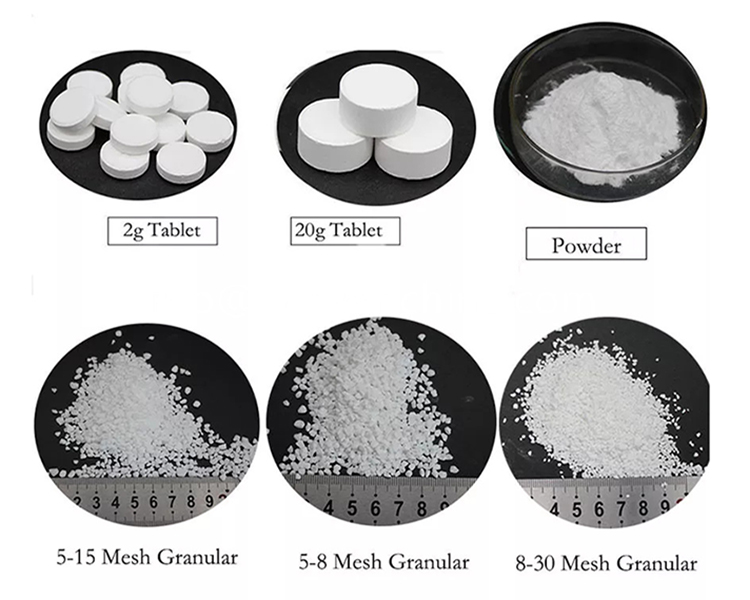
In the B2B market, calcium hypochlorite is primarily available in two forms: powder and granular. The granular form is often preferred for large-scale industrial bleaching applications because it dissolves more predictably and reduces dust generation during handling. The powder form, while highly reactive, requires careful management to prevent clumping and ensure uniform distribution in solution. Understanding these physical properties is the first step in selecting the right grade for your specific bleaching applications.
Key Industries Utilizing Calcium Hypochlorite for Bleaching
The versatility of calcium hypochlorite allows it to serve diverse sectors. Below, we detail the primary industries where this chemical is indispensable.
The Textile Industry
In textile manufacturing, achieving consistent whiteness and color fastness is critical. Calcium hypochlorite in bleaching cotton, linen, and other natural fibers is a standard practice. The agent effectively removes natural pigments and impurities without significantly damaging the fiber structure when used correctly. For B2B textile producers, the advantage lies in the cost-efficiency of calcium hypochlorite compared to hydrogen peroxide or sodium hypochlorite. It allows for high-volume processing at a lower operational cost. Furthermore, it plays a vital role in the scouring process, preparing fabrics for dyeing by ensuring uniform absorption of dyes.
The Paper and Pulp Industry
The paper industry relies heavily on bleaching agents to produce high-quality white paper from wood pulp. Calcium hypochlorite is used to lignin removal and brightness enhancement. While environmental regulations have pushed some sectors toward elemental chlorine-free (ECF) processes, calcium hypochlorite remains relevant in specific stages of pulp processing where cost and effectiveness are balanced. For paper mills looking to optimize their supply chain, sourcing high-quality calcium hypochlorite powder ensures consistent pulp brightness, which directly correlates to the final product quality.
Water Treatment and Sanitation
While not strictly “bleaching” in the aesthetic sense, the oxidizing power of calcium hypochlorite is used to bleach out organic contaminants in industrial water treatment systems. It is essential for cooling towers, industrial wastewater treatment, and swimming pool maintenance. In these applications in calcium hypochlorite, the chemical acts as a disinfectant and oxidizer, breaking down organic matter that causes discoloration and odor. For facility managers, this dual action of cleaning and sanitizing makes it a valuable asset in maintaining regulatory compliance and operational hygiene.
Advantages Over Other Bleaching Agents
Why should B2B buyers choose calcium hypochlorite over alternatives like sodium hypochlorite or chlorine gas? The answer lies in stability and logistics.
- Stability and Shelf Life: Unlike liquid bleach, which degrades over time especially when exposed to heat or sunlight, solid calcium hypochlorite maintains its potency for extended periods. This reduces waste and ensures that inventory stored in warehouses remains effective.
- Transportation and Storage: Transporting liquid chlorine solutions involves moving a significant amount of water, increasing logistics costs. Solid calcium hypochlorite is dense and compact, allowing for more efficient shipping and storage. This is a critical factor for international B2B trade.
- Cost-Effectiveness: Due to its high available chlorine content, less product is needed to achieve the same oxidative effect as lower-concentration alternatives. This directly impacts the bottom line for large-scale industrial users.
- Ease of Dosing: Automated dosing systems can easily handle granular calcium hypochlorite solutions, allowing for precise control over the bleaching process. This precision minimizes chemical waste and ensures consistent product quality.
Safety and Handling Best Practices
Handling strong oxidizing agents requires strict adherence to safety protocols. For B2B clients, ensuring that your staff is trained in handling calcium hypochlorite is non-negotiable.
- Storage: Store in a cool, dry, and well-ventilated area away from organic materials, acids, and ammonia. Moisture can cause the release of chlorine gas, which is hazardous.
- Personal Protective Equipment (PPE): Workers should wear chemical-resistant gloves, safety goggles, and protective clothing when handling the substance. Respiratory protection may be required in areas with potential dust exposure.
- Spill Management: In the event of a spill, isolate the area and avoid using combustible materials to clean up. Use inert absorbents and dispose of waste according to local environmental regulations.
- Regulatory Compliance: Ensure that your procurement and usage align with local chemical safety regulations such as REACH in Europe or OSHA standards in the United States. A reliable supplier will provide all necessary Safety Data Sheets (SDS) and compliance documentation.
Choosing the Right Supplier for B2B Needs
Selecting a supplier is as critical as selecting the chemical itself. When evaluating potential partners for calcium hypochlorite bulk supply, consider the following factors:
- Quality Consistency: Request certificates of analysis (CoA) to verify chlorine content and impurity levels. Consistency is key for industrial processes.
- Packaging Options: Ensure the supplier offers packaging that suits your logistics, such as 50kg drums, 1000kg jumbo bags, or custom containers.
- Supply Chain Reliability: In 2026, global supply chains can be volatile. Choose a supplier with a proven track record of on-time delivery and robust inventory management.
- Technical Support: A good supplier offers more than just product; they provide technical support to help optimize your dosing and application methods.
Conclusion
The applications in calcium hypochlorite in bleaching are vast and vital to numerous industrial sectors. From textiles to paper pulp, this chemical offers a unique combination of stability, efficiency, and cost-effectiveness that liquid alternatives often cannot match. For B2B buyers, understanding the nuances of this product allows for better procurement strategies and operational optimization. By prioritizing quality, safety, and reliable supply chains, manufacturers can leverage calcium hypochlorite to enhance their production capabilities while maintaining strict safety standards. As the industry moves forward, the demand for high-grade oxidizing agents remains steady, making calcium hypochlorite a cornerstone of industrial chemistry.
FAQ: Common Questions for B2B Buyers
Q1: What is the typical available chlorine content in industrial-grade calcium hypochlorite?
A: Industrial-grade calcium hypochlorite typically contains between 65% and 70% available chlorine. However, specific grades may vary based on manufacturer specifications and intended application.
Q2: How does calcium hypochlorite compare to sodium hypochlorite for large-scale bleaching?
A: Calcium hypochlorite is more stable and has a longer shelf life than sodium hypochlorite. It is also more concentrated, reducing storage and transportation costs, making it more suitable for large-scale industrial applications.
Q3: Is calcium hypochlorite safe for use in textile bleaching?
A: Yes, when used according to recommended dosages and safety guidelines, it is safe and effective for bleaching natural fibers like cotton and linen. It is essential to rinse thoroughly to prevent fiber damage.
Q4: What packaging options are available for bulk orders?
A: Most suppliers offer various packaging options including 50kg plastic drums, 1000kg jumbo bags, and customized packaging solutions to meet specific logistics requirements.
Q5: How should I store calcium hypochlorite to maintain its efficacy?
A: It should be stored in a cool, dry, and well-ventilated area away from direct sunlight, moisture, and incompatible substances like acids or organic materials.
For more information on our premium chemical solutions and to request a quote tailored to your industrial needs, please visit our contact page.
